Condom Supply to Africa Hit By Us Abortion Policy
The Bush administration's ban on funds to family planning clinics which offer abortion counselling is adversely affecting the supply of condoms to countries hit by HIV/Aids, it was claimed yesterday. Clinics have had to close in a number of African countries because the family planning...
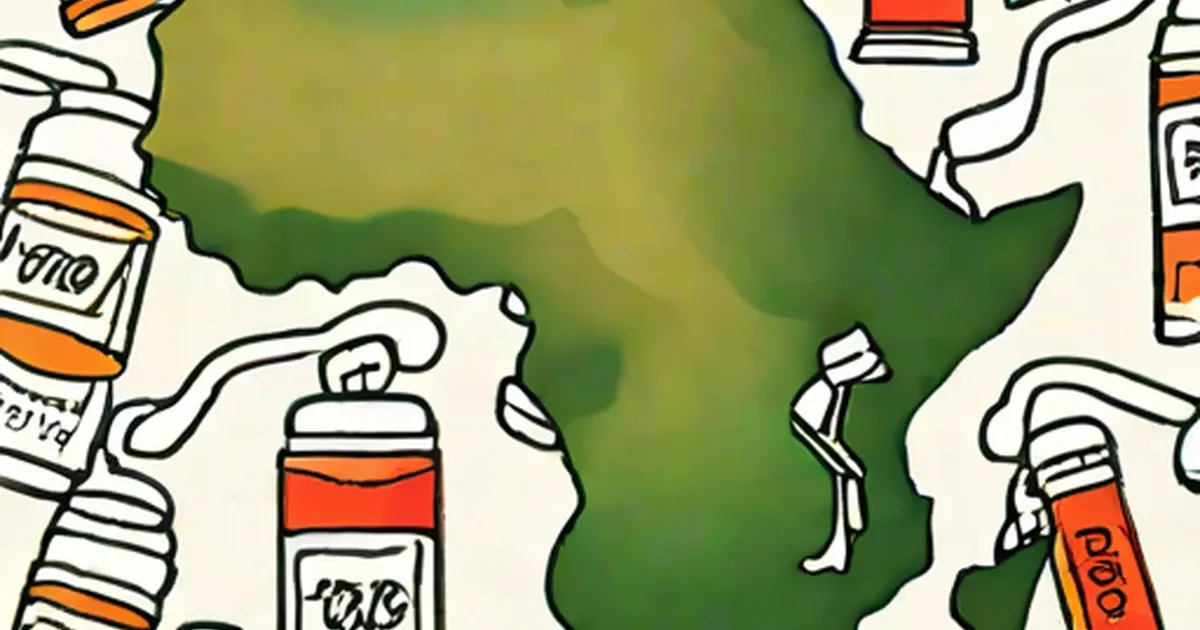
The Bush administration's ban on funds to family planning clinics which offer abortion counselling is adversely affecting the supply of condoms to countries hit by HIV/Aids, it was claimed yesterday.
Clinics have had to close in a number of African countries because the family planning organisations running them refuse to sign a declaration that they will not offer abortions or even discuss them.
Many healthcare workers consider it unethical to refuse help to a pregnant woman who may endanger her life by seeking a backstreet abortion if she is turned away.
Yesterday the biggest international organisations affected by the so-called Mexico City policy, or Global Gag as the activists call it, launched a report quantifying the disaster they say it is visiting on the developing world.
Amy Coen, president of Population Action International, the lead sponsor of the study said: "The policy significantly reduces access to vital family planning and health-related services for some of the world's poorest women and weakens vital HIV/Aids prevention efforts." The rule was "another example of how the Bush administration is allowing political ideology to trump science".
The report documented the closure of many clinics which are often the only provider of sexual healthcare in their areas because of a cutoff of funds from USAid, the US agency which is the world's biggest source of development funding. About $430m (£259m) which the administration earmarks for family planning in poor countries can only go to organisations that have signed the anti-abortion pledge.
The policy was introduced by Ronald Reagan, thrown out by Bill Clinton and reinstated on George Bush's second day in office.
Family planning groups say the policy is damaging the cause that Mr Bush has espoused in a bid to show the compassionate side of his administration, that of HIV/Aids.
USAid is the most important single donor of condoms to the developing world, procuring and delivering more than a third of all donated supplies, worth about $75m a year.
The report said that by 2002, the policy had ended shipments of USAid-donated condoms to 16 developing countries whose family planning associations are affiliated to the International Planned Parenthood Federation and who refused to sign the pledge. They include Swaziland, which has one of the highest HIV rates in the world, Burundi, Chad, Gambia and Mauritius.
USAid's condom supplies to a further 13 countries have been cut because the main, although not the only, family planning organisation will not sign. They include some with the worst HIV problems in Africa: Uganda, Zambia and Zimbabwe.
Clinics have had to close in a number of African countries because the family planning organisations running them refuse to sign a declaration that they will not offer abortions or even discuss them.
Many healthcare workers consider it unethical to refuse help to a pregnant woman who may endanger her life by seeking a backstreet abortion if she is turned away.
Yesterday the biggest international organisations affected by the so-called Mexico City policy, or Global Gag as the activists call it, launched a report quantifying the disaster they say it is visiting on the developing world.
Amy Coen, president of Population Action International, the lead sponsor of the study said: "The policy significantly reduces access to vital family planning and health-related services for some of the world's poorest women and weakens vital HIV/Aids prevention efforts." The rule was "another example of how the Bush administration is allowing political ideology to trump science".
The report documented the closure of many clinics which are often the only provider of sexual healthcare in their areas because of a cutoff of funds from USAid, the US agency which is the world's biggest source of development funding. About $430m (£259m) which the administration earmarks for family planning in poor countries can only go to organisations that have signed the anti-abortion pledge.
The policy was introduced by Ronald Reagan, thrown out by Bill Clinton and reinstated on George Bush's second day in office.
Family planning groups say the policy is damaging the cause that Mr Bush has espoused in a bid to show the compassionate side of his administration, that of HIV/Aids.
USAid is the most important single donor of condoms to the developing world, procuring and delivering more than a third of all donated supplies, worth about $75m a year.
The report said that by 2002, the policy had ended shipments of USAid-donated condoms to 16 developing countries whose family planning associations are affiliated to the International Planned Parenthood Federation and who refused to sign the pledge. They include Swaziland, which has one of the highest HIV rates in the world, Burundi, Chad, Gambia and Mauritius.
USAid's condom supplies to a further 13 countries have been cut because the main, although not the only, family planning organisation will not sign. They include some with the worst HIV problems in Africa: Uganda, Zambia and Zimbabwe.

Use the feedback form below to submit your comments.

Use the form below to email this article to your friends.

- Irish Teenager Wins Abortion Fight
- Irish Judge Stirs Up Abortion Debate By Ruling 17-year-old Can Travel to Uk for Termination
- Irish Police Cannot Stop Girl Leaving for Abortion
- Irish Court Battle Over Teenager's Abortion Right
- Anti-Abortion Arguments - Reasons Against Abortion
- Have You Killed Your Baby?
- Abortion Facts and Statistics
- Family Planning
- Facts About Abortion
- What Does The Bible Say About Abortion?
- The ‘Lost’ Girls of Asia
- The Pill causes early abortion!
- U.S. Supreme Court Veers Right with Vote to Uphold Abortion Ban
- South Dakota Considers Banning Abortions
- Supreme Court Hears Arguments about Partial-Birth Abortion Ban
- Woman Sues Clinic Because Botched Abortion Leaves Baby Injured
- South Dakota Legislation Makes Abortions Illegal
- South Dakota Legislature Approves Ban on All Abortions
- Federal Appeals Courts Rule Against Partial Birth Abortion Ban
- Having a companion for your child!