Mosque Bombed in Baghdad Attacks
Insurgents’ show of strength raises spectre of sectarian clashes.
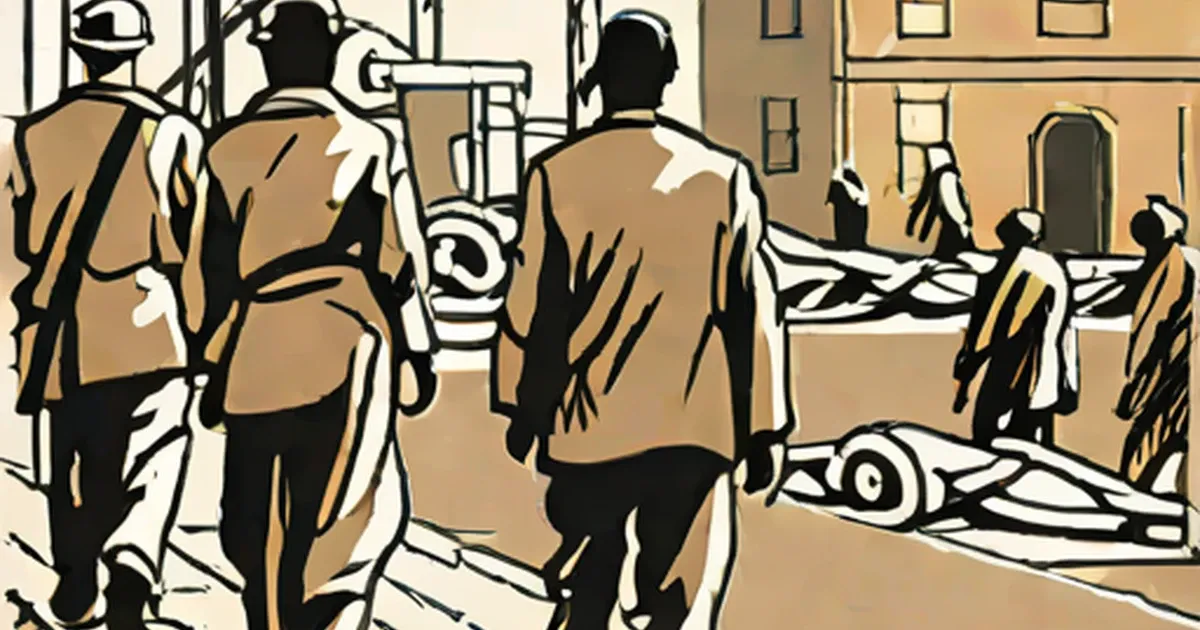
Gunmen stormed a police station and bombed a Shia mosque in two simultaneous dawn attacks in Baghdad yesterday that left at least 30 Iraqis dead and several injured.
Dozens of prisoners were freed and weapons were looted from the police station in a brazen show of strength by the insurgents. Shortly afterwards guerrillas attacked at least two police stations in the northern city of Mosul.
The attacks marked the most serious day of violence in Iraq for some weeks and raised the spectre of sectarian clashes. Although the US has largely completed an operation against guerrillas in Falluja, west of Baghdad, the insurgency appears to remain a considerable force across large areas of Iraq.
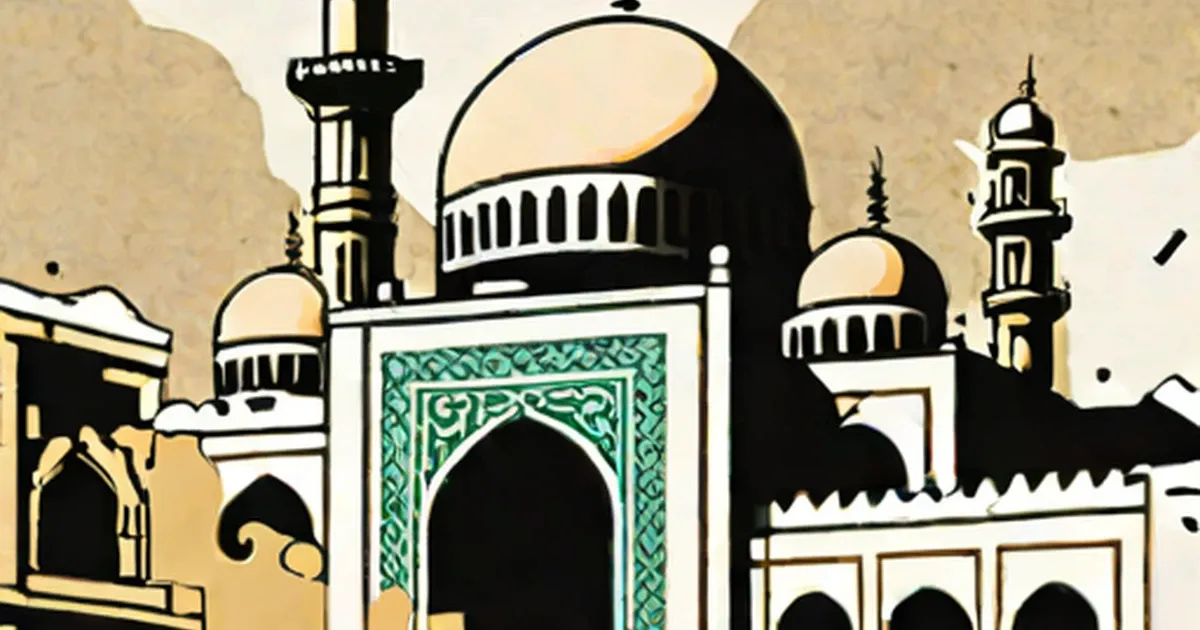
The first attack began with a mortar fired at a Shia mosque in Adhamiya, a Sunni district of Baghdad known to be a refuge for many insurgents. The target was the Hameed al-Najar mosque, towards the end of dawn prayers.
A crowd swiftly gathered to help the injured and then a suicide car bomber ploughed into the group, killing 14 and injuring 19. Several cars were destroyed in the blast and shop windows shattered.
“The first blast happened just as worshippers were leaving the mosque after dawn prayers,” a witness told Reuters. “Everyone in the area rushed to help them. Then a few minutes later, a car blew up the whole crowd.”
US fighter jets and Apache helicopters fired at targets in Adhamiya after the attack.
There was no claim of responsibility for the bombing, although a Sunni militant group loyal to Abu Musab al-Zarqawi, a Jordanian extremist, said it had attacked a police station in Adhamiya.
Since the invasion last year there have been sectarian attacks on Iraq’s Sunni, Shia, Kurdish and Christian populations, but until now they have been limited. Yesterday’s bombing was unusually brutal in its sectarian targeting.
Many fear that if the Sunni minority boycotts next month’s elections then sectarian tensions could unleash a new level of violence.
In the second attack several carloads of gunmen drove in before dawn to the troubled Seydiya district of western Baghdad, near the airport road on which US military convoys and western contractors are frequently targeted. They set up checkpoints and then fired mortars into the neighbourhood police station, before storming the building.
At least 11 police officers were killed and six injured. The gunmen forced their way into the building, stole weapons, freed 50 prisoners and then set fire to two police trucks parked outside. Lieutenant Colonel Jim Hutton, a US military spokesmen, said the gunmen had arrived in 11 cars to attack the station with rifles and rocket-propelled grenades. A US military Humvee was damaged, but no US troops were hurt.
The Zarqawi militant group claimed responsibility in a statement posted on the internet. “The lions of al-Qaida in Iraq attacked the headquarters of the apostates who sold their religion, honour and land and attacked the Seydiya police station, killing everyone inside except for two who fled,” it said. “The destructive effect that such operations has on the morale of the enemy inside and on its countries and people abroad is clear.”
It was the first time that a police station has been stormed in the capital, raising pressing concerns about security less than two months before the election. The Zarqawi group has claimed responsibility for similar attacks, as well as kidnappings and beheadings, including the murder of the British contractor Ken Bigley.
Further north in Mosul, insurgents fired mortars into a US base and later fought gun battles with US and Iraqi troops. Two police stations were attacked and at least one police officer was killed. Officials said 11 insurgents had died in the fighting.
Mosul has seen a wave of attacks, the apparent fallout of the US assault on the rebel city of Falluja. A further 14 bodies were recovered in the city on Thursday, bringing to 66 the number of dead found in the past three weeks.