How To Sew A Blind Hem Stitch
Learn how to professionally hem your window treatments and clothing... so that there is barely any sign of stitching.
A blind stitch is a terrific stitch to learn for hemming just about anything... when you don't want stitching to show through on the face of your fabric.
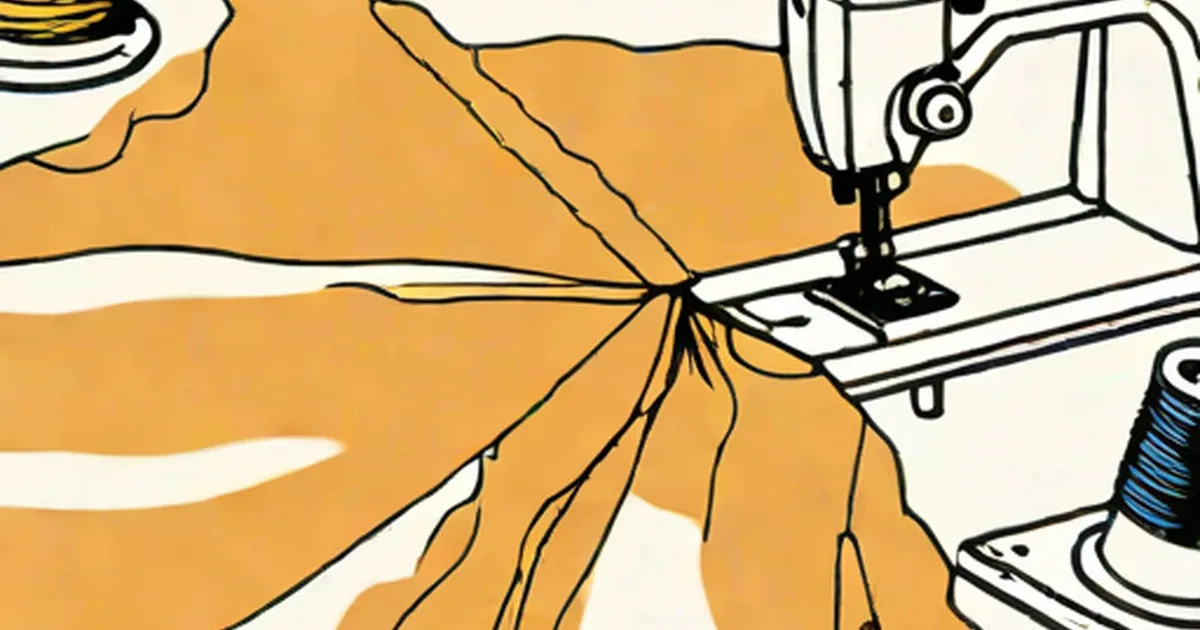
A blind hem stitch consists of 3 straight stitches in a row and then one zig-zag stitch. The idea is to have the straight stitch on the folded material of the hem and the zig-zag just catch a few threads of the main panel of fabric. When you turn your piece right sound out, you will barely see small tacking that is holding your bottom hem in place.
A
You can use this technique for hemming lined drapes, curtains, roman shades, side hems for draperies and for hemming clothing.
The one thing I want to say about this stitch is practice before you use this technique on your projects. The thicker your material... the trickier this stitch is... so practice... and worse case scenario you hand stitch the hem or straight stitch it.
You will need a blind hem presser foot, also known as blind stitch foot for your sewing machine AND a blind hem stitch on your machine.
1. Lay your fabric with the folded hem facing up with the outer folded edge of the hem pointing toward your sewing machine.
B
2. Fold the pinned bottom hem under the fabric.
3. Leave ¼" of the folded hem peaking out from under the fabric. So... you will have your fabric panel laying right side down, with the folded hem folded under the panel... leaving only 1/4" showing from under the panel.
C
4. Slide the fabric under your presser foot with the folded edge of the fabric panel against the flat vertical bar of the presser foot... the ¼" piece of the hem that is peeking out from under the panel is under the needle.
D
5. The needle should stitch the straight stitch in the ¼" of the hem and swing to the left to catch the folded edge of the fabric on the zig-zag. If this is done correctly you will only see tiny vertical stitches across your hem on the front of your shade.
Practice this stitch on similar fabric and thickness to make sure your zig-zag is not too wide... this will cause a larger vertical stitch on the front of your shade... which you don’t want.
Mastering this stitch will take your projects to the next level. It's the next best thing to an industrial hemmer. Most of us can't afford a hemmer, but you can very similar effects with the blind hem stitch.
So, practice, practice, practice... and use if it for all hems including your side hems.
Happy sewing!
Jennifer Thoden
If you liked this step by step sewing how-to, you'll love www.SimpleSewingProjects.com
Visit http://www.simplesewingprojects.com for free sewing projects, ideas and professional sewing tips.
A blind hem stitch consists of 3 straight stitches in a row and then one zig-zag stitch. The idea is to have the straight stitch on the folded material of the hem and the zig-zag just catch a few threads of the main panel of fabric. When you turn your piece right sound out, you will barely see small tacking that is holding your bottom hem in place.
A
You can use this technique for hemming lined drapes, curtains, roman shades, side hems for draperies and for hemming clothing.
The one thing I want to say about this stitch is practice before you use this technique on your projects. The thicker your material... the trickier this stitch is... so practice... and worse case scenario you hand stitch the hem or straight stitch it.
You will need a blind hem presser foot, also known as blind stitch foot for your sewing machine AND a blind hem stitch on your machine.
1. Lay your fabric with the folded hem facing up with the outer folded edge of the hem pointing toward your sewing machine.
B
2. Fold the pinned bottom hem under the fabric.
3. Leave ¼" of the folded hem peaking out from under the fabric. So... you will have your fabric panel laying right side down, with the folded hem folded under the panel... leaving only 1/4" showing from under the panel.
C
4. Slide the fabric under your presser foot with the folded edge of the fabric panel against the flat vertical bar of the presser foot... the ¼" piece of the hem that is peeking out from under the panel is under the needle.
D
5. The needle should stitch the straight stitch in the ¼" of the hem and swing to the left to catch the folded edge of the fabric on the zig-zag. If this is done correctly you will only see tiny vertical stitches across your hem on the front of your shade.
Practice this stitch on similar fabric and thickness to make sure your zig-zag is not too wide... this will cause a larger vertical stitch on the front of your shade... which you don’t want.
Mastering this stitch will take your projects to the next level. It's the next best thing to an industrial hemmer. Most of us can't afford a hemmer, but you can very similar effects with the blind hem stitch.
So, practice, practice, practice... and use if it for all hems including your side hems.
Happy sewing!
Jennifer Thoden
If you liked this step by step sewing how-to, you'll love www.SimpleSewingProjects.com
Visit http://www.simplesewingprojects.com for free sewing projects, ideas and professional sewing tips.
Simple Sewing Projects
Free Sewing Projects, Sewing Lessons and Sewing Patterns


Use the feedback form below to submit your comments.

Use the form below to email this article to your friends.

- Window Treatments for Sliding Glass Doors
- Ideas for Window Covering Designs
- Window Film Installation: Decorative Window Film
- Window Treatments: Interesting Window Treatment Ideas
- Planners Move to Close the Window on American Mansions
- A Common Window Treatment: Curtains
- Using Curtains As Window Treatments Has Never Been Easier!
- Design Beautiful Windows for Your Home
- Hunter Douglas Window Treatments For Your Home
- Basement Egress Windows To Make Your Home Safer
- Modern Window Treatments - What To Look For
- Bay Window Treatments For Your Home
- A Look At Contemporary Window Treatments
- Everything You Ever Wanted to Know about Window Treatments (but were too confused to ask)
- Trend Report: The Latest in Window Fashions
- Free Instructions On How To Sew A Drawstring Bag In Minutes
- How To Sew Your Own Prom Dress
- Do Solar Screens Really Work
- Fusible Interfacing Directions
- Fusible Interfacing Instructions
- Window Tint Removal Cost
- Window Treatment Ideas for Small Windows
- Bay Window Curtain Ideas
- Window Treatment Ideas for Bedrooms
- Window Tinting Cost
- Asbestos Siding Removal Cost
- Window Treatments for Large Windows
- Window Treatments for French Doors
- Bay Window Coverings
- Sewing Machines for Beginners
- Bay Window Treatments
- Bay Window Curtains
- How to Hang Drapes
- How to Make a Pillowcase Dress
- How To Remove Asbestos Siding