What causes Forest Fires
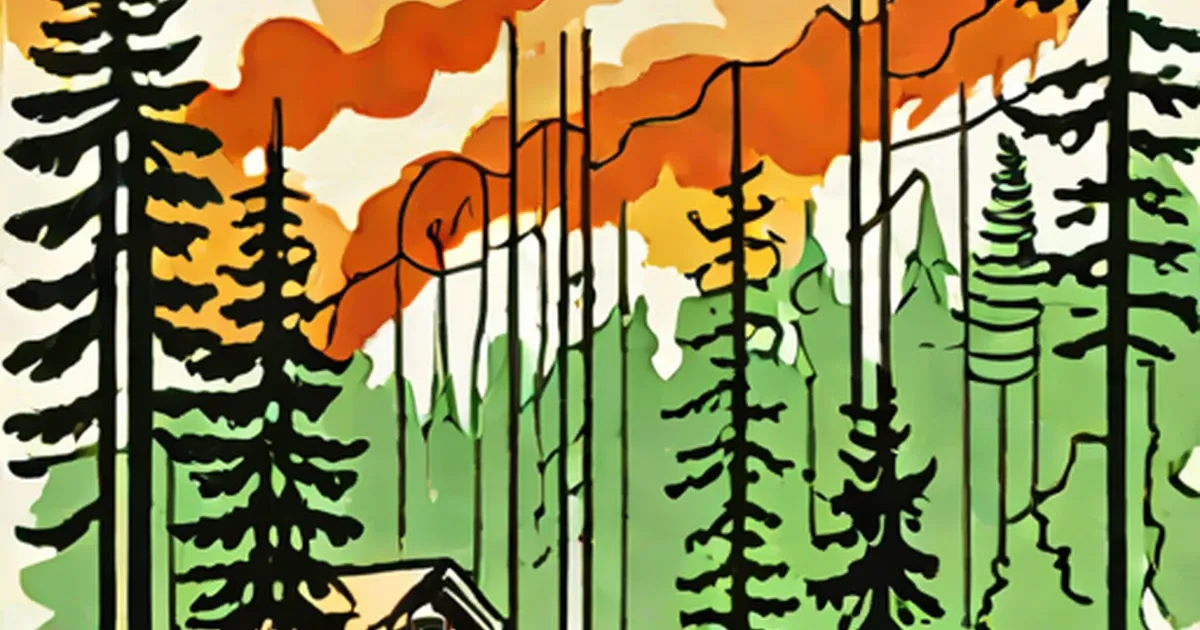
Forest fire refers to the uncontrolled fire that erupts in the wilderness. It can be caused by many factors like lightning, volcanic eruptions and also human actions. Learn more about forest fires and what causes them...
Forest fire or wildfire is often used to signify an uncontrolled intense fire that breaks out in the wooded areas due to many factors ranging from natural to man-made causes. Wildfires can be witnessed throughout the world and they usually occur in cycles. Mild forest fires are often considered beneficial, as growth of many plant species depend on it. Many plant species also depend on wildfires for reproduction, as the exposure to smoke induces germination in these plants. However, the large forest fires can have serious damaging effect on the surrounding environment.
Due to the extensive size and the immense speed, a forest fire can easily spread to a vast area. Besides, it can also change its direction and overcome occasional barriers like roads, rivers and fire breaks. Forest fires break out in areas like grassland, woodland, bush, scrubland and peat. Some important causes of it are lightning and volcanic eruptions. Besides these, sparks from rockfalls can also ignite forest fires.
Underground coal fires or the smoldering of coal deposit is another important contributory factor in reigniting as well as spreading forest fires. Generally caused by lightning and forest fire, underground coal fires continue to smolder for a long time even after the ground fire has been extinguished. This in turn can restart the forest fire later. However, sometimes forest fires can be spontaneous due to hot and dry weather. The three essential requirements for fires are oxygen, fuel and heat. There is no dearth of oxygen in the forest, while the woods and the dry fallen branches and leaves serve as fuel. So together they speed up the spreading of the fire. Besides, it has also been found that at very high temperatures, woods produce a gas that reacts with oxygen to ignite a flame.
Besides the natural factors that cause forest fires, it has been found that most times human activities are also responsible for causing forest fires. It is estimated that almost 90% of the forest fires are caused by human activities. One such important human activity is clearing land by arson or fire, which sometimes go out of control and causes a forest fire. It can also be a result of human negligence, as people sometimes leave behind the sources of ignition like a camp fire, lighted cigarettes, etc., in the forest. Many times, dry grass is burnt down to quicken the growth of new grass, which can also lead to a forest fire. Besides, global warming can be responsible for increasing the frequency of forest fires.
Forest fires can affect climate and
weather a great deal, besides causing severe damage to valuable trees. It can increase the level of greenhouse gases
(water vapor, carbon dioxide, methane, nitrous oxide, ozone, and chlorofluorocarbons), and thereby increase pollution and global warming. However, it is an important part of the ecosystem, and many plants depend on it for growth and reproduction. But, too much of wildfires can cause significant damage to the ecosystem.
The preventive measures for controlling forest fires usually include such measures that can control outbreak as well as its severity and spread, maintain ecological balance and protect resources. Close monitoring of forest fires caused by natural factors would help in preventing the spread of such fires to a large extent. Besides, controlled burning can be encouraged, in which a fire is ignited under controlled conditions by the government authorities. Periodic burning of vegetation can also be helpful in maintaining diversity of species. This would also be effective in regulating the amount of surface fuel, which in turn would prevent the spread of a forest fire to a vast area. In addition to all these, we human beings could also play an important role by behaving more responsibly and not leaving behind any source of ignition in the forest or woods that we visit.