Venomous Snake Identification – Identifying Poisonous Snakes
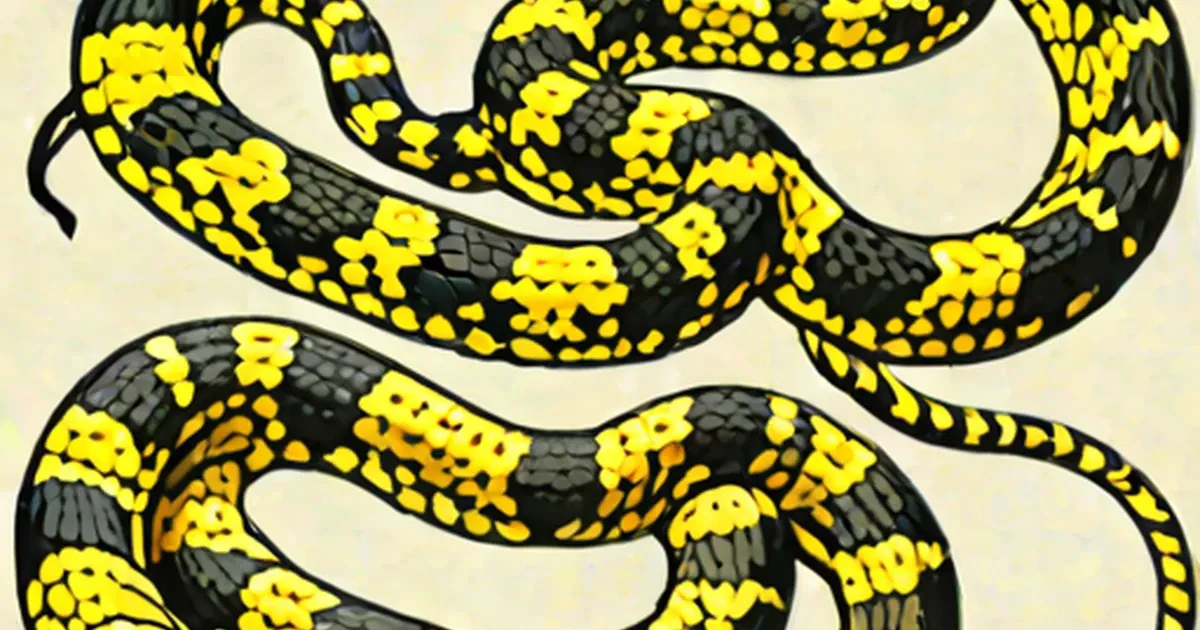
Snakes are much feared creatures. However a majority of snake species are not poisonous. Read on to know certain character traits of snakes that will help you identify the poisonous ones.
Only 10% of total snake species in the world are venomous. It is always advisable to leave a snake undisturbed whether it is venomous or not. Most venomous snakes will only attack when provoked or threatened.
Snakes are not aggressive creatures, they also do not chase humans. Some snakes are venomous but are only dangerous to some types of animals. So, just because a venomous snake has bitten you doesn’t mean death. It doesn’t matter whether the snake is big or small. The potency of venom is not dependent on how big the snake is. A small snake, depending on the type and mood and other factors, can be more dangerous than a big one.
The inland taipan snake is the snake with the deadliest venom known to man. Just because you’ve cut off the snake’s head doesn’t mean the danger from its venom has gone away. The potency of a snake’s venom does not disappear even after the snake is dead. So if you’ve killed a snake and the venom is still flowing, be careful. The dead snake also remains dangerous. Always assume that the snake is venomous until you are absolutely sure it is not.
Snakes, which are not poisonous, possess a round pupil in the center of the eye. All poisonous snakes possess a vertical elliptical cat-like shaped pupil. Venomous snake will possess a small depression between the eye and nostril. This is termed a pit, which is used to sense heat in their prey. If the snake has stripes from head to tail chances are it is a non-venomous snake.
To find the difference between a venomous water moccasin/cottonmouth and a harmless water snake: Is it swimming with mainly its head above water, or is most of the body floating too? If just the head is showing, it is probably a harmless water snake, but if the body is showing too, it could be a water moccasin.
One can use head shapes to determine venomous snakes. Triangle shaped heads usually point to a venomous snake, while a “U” shaped head points to a non-venomous snake.
The two major venomous snake families are the vipers and the elapsids. The Viper family, among which are copperheads and rattlesnakes, are the typical snakes with the triangle shaped head. Elapsids are the exception and do not have the triangle shaped head. Elapsids include the death adders,cobras, mambas, sea snakes, and the coral snake. They possess hollow fixed fangs, unlike the vipers which have folding fangs. In North America, the only elapsid that you may encounter is the coral snake, which is easy to identify because of it’s colorful bands.
Rattlesnakes will usually emit a warning rattle ( a dry, whirring sound) when approached. However, several nonpoisonous snakes like black racers, corn snakes, rat snakes, milk snakes, and pine snakes and several poisonous snakes copperhead and cottonmouth often vibrate their tails when provoked. The sound produced by this vibration often resembles a rattle or hissing sound when the snake is sitting in dry grass or leaves. Non-venomous snakes generally have only one color.
Scale arrangement is another way of identification. The underside scales of a venomous snake’s tail go completely all the way across in a single row from the anal plate. The very tip of the tail could have two scale rows. Non-venomous snakes have two rows of scales from the vent to the end of the tail.