Uses of Nuclear Energy
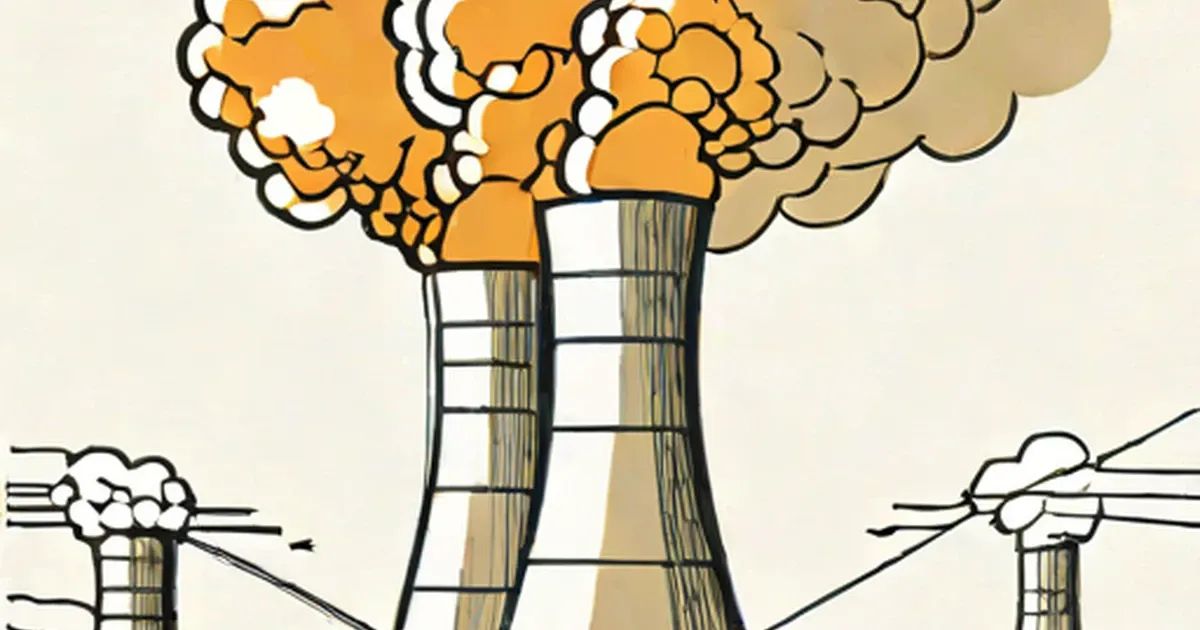
Nuclear energy in one of the safest energies, that can be used to achieve many desired results, provided it’s used safely with due precautions. It can be used in diversified fields for peaceful purposes such as electricity generation, medicinal purposes, reduce pollution, etc. Know more about the uses of nuclear energy...
Nuclear Energy is the energy that is released from the nucleus of an atom, as it is evident from the term nuclear. During the process, mass gets converted into energy. The relation between mass and energy is given by Einstein’s famous formula E=mc 2, where “E” is energy, “m” is mass and “c” is the constant speed of light. In brief, nuclear energy is the energy that is obtained from the splitting of uranium atoms in a process known as nuclear fission. Although there are three ways from which nuclear reaction is possible - fission, fusion
and decay, only the energy from the first has been utilized till date.
Reasons to Use Nuclear Energy Environmental Safety The process to generate nuclear energy is one of the most cleanest, and makes lowest impact on the environment. It is because nuclear plants do not emit any harmful gases like carbon dioxide, nitrogen oxide and sulfur dioxide, produced from the conventional electricity power plants that threaten atmosphere by increasing global warming. The energy can hence be termed as “emission-free energy”. They require little space for the production, thus promoting land and habitat preservation. There is absolutely no effect on land, water and air resources.
Clean Water The water discharged from nuclear power plants is very safe, free of any radiation
or harmful pollutants, and meets all regulatory standards. Hence, helps in protecting the aquatic life and conserving wildlife.
Reliable
One utmost importance of nuclear energy, is reliability. The energy don’t have to depend upon weather conditions, unpredictable costs or foreign supplies. Its a reliable source of energy even during extreme weather changes. The plants can run for about 500 to 700 days continuously, before they are shut down for refueling.
Reduces the Dependence on Fossil Fuels There has been an increase in production and supply of fossil fuels
like oil and gas, as the world has been using them at an unbelievable pace. Their deposits are emptying. On the other hand, nuclear energy requires very little quantity of fuel to produce large quantities of energy. Consider this, one ton of uranium can produce energy that is more than that of several million tons of coal and oil.
Peaceful Uses
There has been great advances in using nuclear energy for peaceful purposes, such as medicinal use of isotopes and radiation techniques. One major on-going advancement is Sterile Insect Technique (SIT), that helps in large scale food irrigation and biological control of pests. Other various uses are:
Food and Agriculture
The use of isotopes and radiation techniques in agriculture come under this category. Leading organizations have been working on the technology to increase agricultural production, improve food availability and quality, reduce production costs and minimize pollution of food crop.
Human Health
One very common application of nuclear energy, is in the treatment of cancer - radiotherapy. Also, small amounts of radioisotope tracers are used for diagnostic and research purposes. These techniques have helped in monitoring the levels of toxic substances in food, air and water.
Nuclear energy can also be used in industries for processing and sterilization of various products by means of radiation. With so many above mentioned advantages, nuclear energy is surely the fuel for the 21st century. To conclude, nuclear energy has enormous benefits but, its up to humans to use it safely, and for peaceful purposes.