The Psychology of Belief
On the three different types of beliefs and the underlying factors that develop belief systems
Beliefs are an important aspect of our life and sometimes even an integral part of our knowledge systems. Although beliefs may not necessarily entail knowledge, knowledge always entails beliefs. That is if you believe in God, the belief in this case does not necessarily involve knowledge as through the senses although when you know you are 6 feet tall, it is your belief shaped by knowledge through your senses. Thus the difference between belief and knowledge is that knowledge is empirical or rather involves our senses, but beliefs are probably in the mind. Belief is thus a mental representation as the believer tends to believe about an object of belief or a thing. So usually a subject or a human being with a mind and intentions believe in a particular object or phenomenon, say, that the earth revolves around the sun. Beliefs are closely related to attitudes as our racial, social, political and religious beliefs which form the deeper aspects of our personality tend to affect our daily life and attitudes towards other people or things. Thus beliefs form attitudes rather than the other way round.
Beliefs are at the core of the personality and mould our lifestyle, thoughts, behavior and actions. If you believe old people are conservative and young people are more liberal, that would affect your attitudes towards the older and younger people so your behavior and interaction with these two groups will also differ. There has been a lot of discussion in psychology on our common sense understanding of belief which some consider as correct whereas some other consider the concept of beliefs as simply wrong or not necessary and should be substituted by a scientific theory (this is explained by Lynne Baker) that will explain beliefs in terms of neurological connections or messages sent to the brain. A search for the neurological theory of belief aims to completely eliminate the necessity of a mind or mental state that is still used to explain beliefs. We tend to think that beliefs are in the mind although mind being a very difficult subject with no complete and definite understanding of the mental structure, locating beliefs within mind becomes all the more problematic. Some theorists have claimed that beliefs are useful for predictions and provide us with a sense of the expected. We believe that the sky is blue and we expect the sky to be blue. Sometimes, it also helps to have the concept of belief as belief provides the basis on which we can explain human behavior, otherwise there will be no explanatory basis for our actions. Thus if you wear sunglasses in summer, it is possible to explain your behavior by considering that you ‘believe’ that sunglasses should be worn during summer. It seems in psychology, no one seems to know what belief is, belief could be a mental state or a neurological state or both of these, yet despite a lack of understanding of beliefs, beliefs are necessary to explain human behavior, so beliefs, even if not understood, provide an understanding of behavior.
Beliefs are shaped by society, culture, family, personal knowledge, mass media and sources of knowledge such as books, films etc. Our beliefs are largely framed by society and what we learn from people around us as also direct influences of family, friends and the role of mass media, and all these are extremely important. The mass media might provide the impression that slim is beautiful and then after some time, people will naturally start believing that being slim is also a necessary element of being beautiful.
Three types of belief – Time-specific, Group-specific and Person-specific
This obviously brings us to the discussion on whether beliefs can be changed and how it relates to society and the individual. Of course, as beliefs are a product of culture and society, beliefs can change and in fact most beliefs change over the years, although some beliefs are ‘apparently’ fixed and can take a very long time to change.
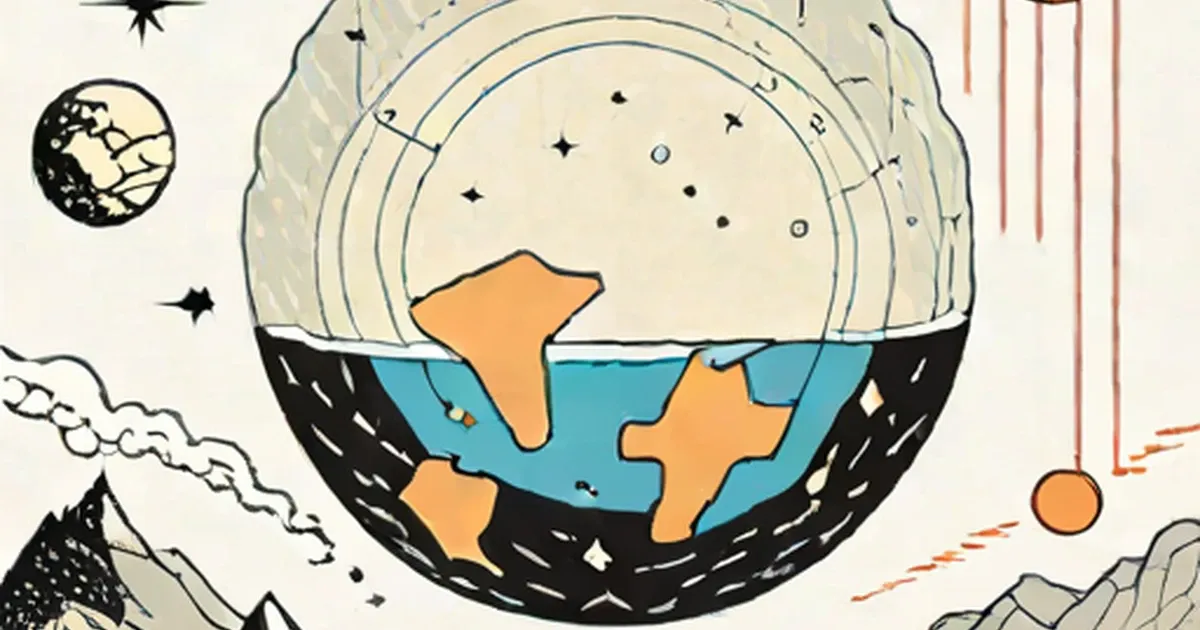
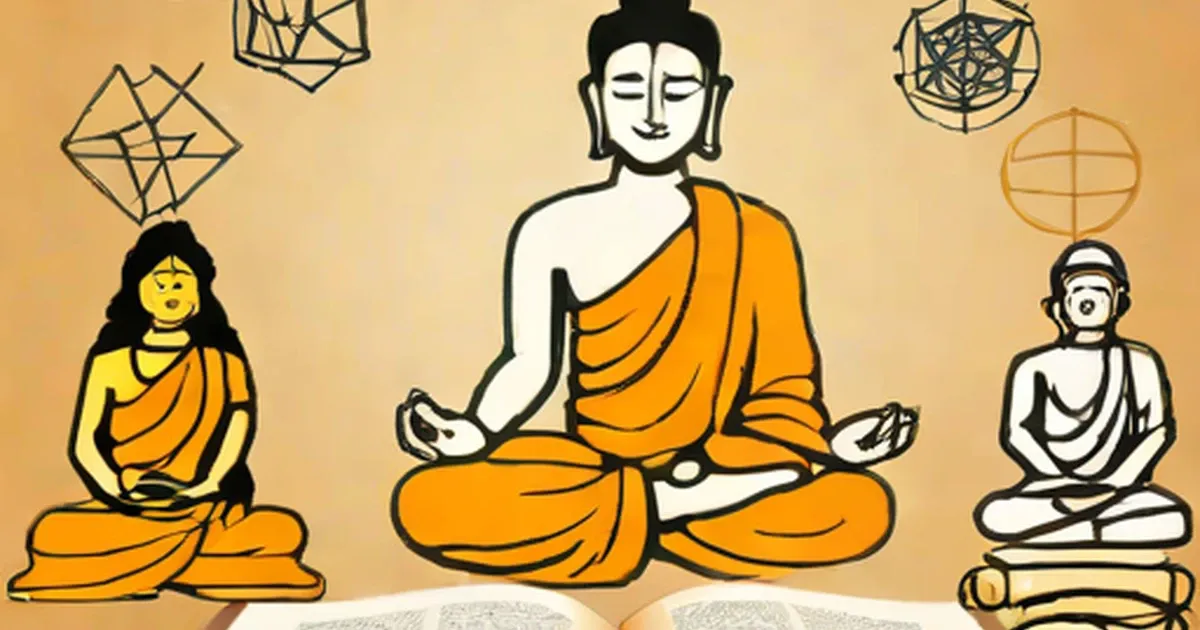
• Time-specific Beliefs / Universal Beliefs - Some beliefs are common, universal but may change over a period of time. These common or universal beliefs are at the core of our knowledge systems and these are shaped by knowledge over time. These beliefs are shared by most of us, irrespective of culture or race as say, most of us believe that the grass is green or cats have whiskers or the sun sets in the west. Some of these beliefs which are shaped by scientific or philosophical knowledge are fixed for a long time although they can change over a period of many years. In ancient times people believed in a geocentric model that the sun revolves around the earth which was of course replaced by the belief that the earth moves around the sun. In this case, the belief has been changed by popular scientific knowledge.
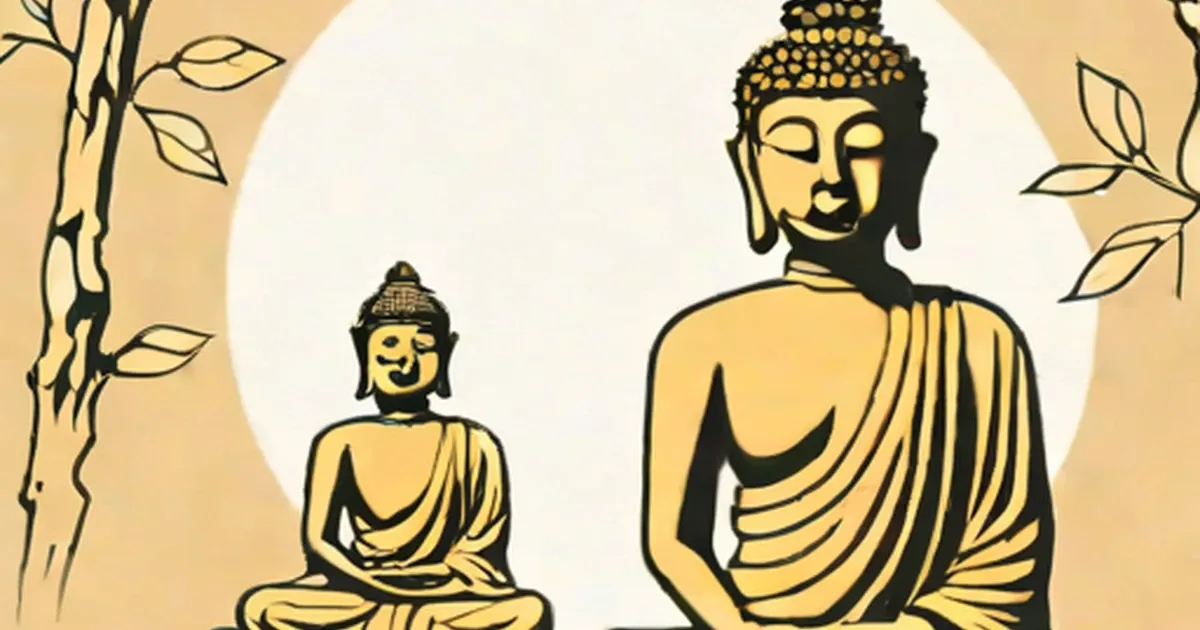
• Group-specific Beliefs / Cultural Beliefs – These beliefs are not universal or common but rather specific to cultures, faiths and peculiar to specific groups of people. So these are group-specific. Like individuals in a particular religious group or culture, group specific beliefs instill certain ideas that are peculiar to a limited number of people. For example, people of one religious community might believe in God as represented in many forms and idols whereas another religious community might believe in God as a single formless entity. Cultural beliefs are fixed but possibly for a limited period of time and like every other belief, such beliefs can change as well. People belonging to certain ethnic groups may have certain positive or negative beliefs about other ethnic groups.
• Person-specific Beliefs / Individual Beliefs – These beliefs are specific to an individual or are personal beliefs and are completely formed by an individual’s personal history, life experiences, social experiences, family background, personal acquisition of knowledge or personal philosophy of life. Person-specific or individual beliefs are what make each one of us different as you may believe that life is a serious business and your friend might think that life is more about having fun. Personal beliefs shape our own personal worldview and although personal belief systems of two individuals may not be the same, certain individual beliefs can be similar.
The universal beliefs are at the core of human communication as if we do not have some common understanding of beliefs we cannot possibly communicate successfully across cultures. Carl Gustav Jung, a pioneering psychologist differentiated between ‘collective unconscious’ and ‘personal unconscious’ to suggest how certain archetypes or psychological imprints are carried across generations or are manifested individually. For example, the idea/archetype of a mother as caregiver has been carried across generations in our collective unconscious. This may have a lot to do with the development of our belief systems and especially formation and understanding of universal and even cultural beliefs. Certain aspects of cultural and all of individual beliefs will however be closely related to the personal unconscious. This can be a psychoanalytic explanation of beliefs although beliefs in psychology have been traditionally explained or studied with cognitive, social/sociological and neurological models.
Ultimately, beliefs can be due to a nerve impulse and brain mechanism or a complex mental state, an unconscious process carried across generations or simply a social mindset acquired in the process of development or all of these. Psychology will have to study beliefs across all dimensions and examine how a single belief can affect a range of behaviors (as in delusional/mental disorders) or why many beliefs can sometimes be manifested in one particular behavior (as in genocide). The root of human behavior lies in our belief systems that have to be successfully uncovered and explained with the principles of psychology, sociology, neurology and even philosophy.
Beliefs are at the core of the personality and mould our lifestyle, thoughts, behavior and actions. If you believe old people are conservative and young people are more liberal, that would affect your attitudes towards the older and younger people so your behavior and interaction with these two groups will also differ. There has been a lot of discussion in psychology on our common sense understanding of belief which some consider as correct whereas some other consider the concept of beliefs as simply wrong or not necessary and should be substituted by a scientific theory (this is explained by Lynne Baker) that will explain beliefs in terms of neurological connections or messages sent to the brain. A search for the neurological theory of belief aims to completely eliminate the necessity of a mind or mental state that is still used to explain beliefs. We tend to think that beliefs are in the mind although mind being a very difficult subject with no complete and definite understanding of the mental structure, locating beliefs within mind becomes all the more problematic. Some theorists have claimed that beliefs are useful for predictions and provide us with a sense of the expected. We believe that the sky is blue and we expect the sky to be blue. Sometimes, it also helps to have the concept of belief as belief provides the basis on which we can explain human behavior, otherwise there will be no explanatory basis for our actions. Thus if you wear sunglasses in summer, it is possible to explain your behavior by considering that you ‘believe’ that sunglasses should be worn during summer. It seems in psychology, no one seems to know what belief is, belief could be a mental state or a neurological state or both of these, yet despite a lack of understanding of beliefs, beliefs are necessary to explain human behavior, so beliefs, even if not understood, provide an understanding of behavior.
Beliefs are shaped by society, culture, family, personal knowledge, mass media and sources of knowledge such as books, films etc. Our beliefs are largely framed by society and what we learn from people around us as also direct influences of family, friends and the role of mass media, and all these are extremely important. The mass media might provide the impression that slim is beautiful and then after some time, people will naturally start believing that being slim is also a necessary element of being beautiful.
Three types of belief – Time-specific, Group-specific and Person-specific
This obviously brings us to the discussion on whether beliefs can be changed and how it relates to society and the individual. Of course, as beliefs are a product of culture and society, beliefs can change and in fact most beliefs change over the years, although some beliefs are ‘apparently’ fixed and can take a very long time to change.
• Time-specific Beliefs / Universal Beliefs - Some beliefs are common, universal but may change over a period of time. These common or universal beliefs are at the core of our knowledge systems and these are shaped by knowledge over time. These beliefs are shared by most of us, irrespective of culture or race as say, most of us believe that the grass is green or cats have whiskers or the sun sets in the west. Some of these beliefs which are shaped by scientific or philosophical knowledge are fixed for a long time although they can change over a period of many years. In ancient times people believed in a geocentric model that the sun revolves around the earth which was of course replaced by the belief that the earth moves around the sun. In this case, the belief has been changed by popular scientific knowledge.
• Group-specific Beliefs / Cultural Beliefs – These beliefs are not universal or common but rather specific to cultures, faiths and peculiar to specific groups of people. So these are group-specific. Like individuals in a particular religious group or culture, group specific beliefs instill certain ideas that are peculiar to a limited number of people. For example, people of one religious community might believe in God as represented in many forms and idols whereas another religious community might believe in God as a single formless entity. Cultural beliefs are fixed but possibly for a limited period of time and like every other belief, such beliefs can change as well. People belonging to certain ethnic groups may have certain positive or negative beliefs about other ethnic groups.
• Person-specific Beliefs / Individual Beliefs – These beliefs are specific to an individual or are personal beliefs and are completely formed by an individual’s personal history, life experiences, social experiences, family background, personal acquisition of knowledge or personal philosophy of life. Person-specific or individual beliefs are what make each one of us different as you may believe that life is a serious business and your friend might think that life is more about having fun. Personal beliefs shape our own personal worldview and although personal belief systems of two individuals may not be the same, certain individual beliefs can be similar.
The universal beliefs are at the core of human communication as if we do not have some common understanding of beliefs we cannot possibly communicate successfully across cultures. Carl Gustav Jung, a pioneering psychologist differentiated between ‘collective unconscious’ and ‘personal unconscious’ to suggest how certain archetypes or psychological imprints are carried across generations or are manifested individually. For example, the idea/archetype of a mother as caregiver has been carried across generations in our collective unconscious. This may have a lot to do with the development of our belief systems and especially formation and understanding of universal and even cultural beliefs. Certain aspects of cultural and all of individual beliefs will however be closely related to the personal unconscious. This can be a psychoanalytic explanation of beliefs although beliefs in psychology have been traditionally explained or studied with cognitive, social/sociological and neurological models.
Ultimately, beliefs can be due to a nerve impulse and brain mechanism or a complex mental state, an unconscious process carried across generations or simply a social mindset acquired in the process of development or all of these. Psychology will have to study beliefs across all dimensions and examine how a single belief can affect a range of behaviors (as in delusional/mental disorders) or why many beliefs can sometimes be manifested in one particular behavior (as in genocide). The root of human behavior lies in our belief systems that have to be successfully uncovered and explained with the principles of psychology, sociology, neurology and even philosophy.

Use the feedback form below to submit your comments.

Use the form below to email this article to your friends.

- The Psychology of Attraction
- The Psychology of Behavior
- The Psychology of Ambition
- The Psychology of Torture
- Research Methods in Developmental Psychology
- Educational Psychology
- Brief History of Psychology
- Forensic Psychology
- The Psychology of Art
- Physics and Psychology!!!!
- How An Online Psychology Degree Might Be The Best Choice For You
- Economics - Psychology's Neglected Branch
- How Psychology Can Influence Your Investment Judgment
- Interpersonal Skills: How to Use Sales Psychology to Create Longer, Lasting Sales-Winning Relationships
- The Psychology of Acne
- Poker Psychology - the Secret of Winning Big
- What is positive psychology?
- Nation Branding and Place Marketing - VIII. The Psychology and Demographics of the Consumer
- Adolescent Psychology and Development: The Adolescent Owner’s Guide
- The Psychology of Beauty