Teaching Children with Cerebral Palsy
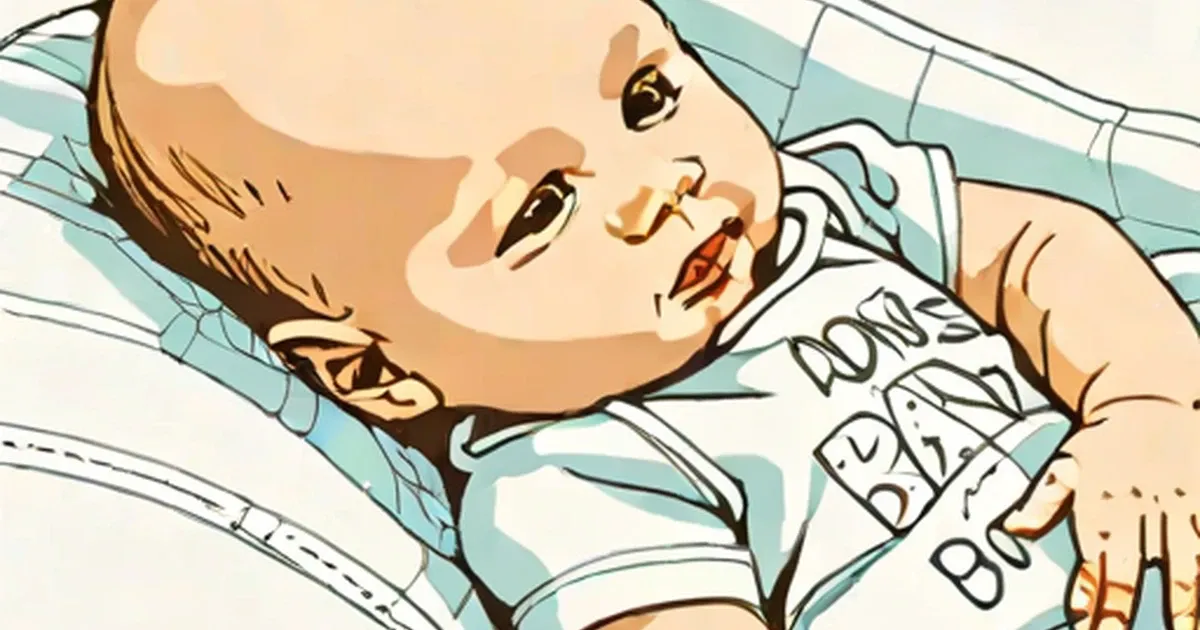
Cerebral palsy is a neurological disorder that occurs in children due to damage to those parts of the brain that control motor skills. It is a permanent damage and cannot be completely cured. However, through special care and training children with cerebral palsy can be helped to develop skills required for leading a normal life.
A child having cerebral palsy has poor muscle control and is not able to coordinate muscle movements. There are mainly three types of cerebral palsy which include spastic, athetoid and ataxic cerebral palsy. Children who are diagnosed with cerebral palsy are not able to walk or talk normally. They are not able to do normal every day activities like eating on their own, dressing on their own, etc. Such children face problems even while learning to write. However, cerebral palsy is not a type of mental retardation, although some children with CP are also mentally challenged. Most of them however are of average or high intelligence. It is true that children with this disorder may have to live on a wheel chair or with braces on the legs, but that does not make them less intelligent than other children of their age. They are just like their peers, with respect to their thinking powers, except that they would need special attention from their parents, teachers and therapists to learn certain important skills for optimum functioning.
There are many cases of children with cerebral palsy who grow up to lead a near normal life. Although this is possible, it is surely not an easy feat. To bring positive change in the condition of children who have cerebral palsy, they would have to undergo several therapies and also would have to be given special attention in schools.
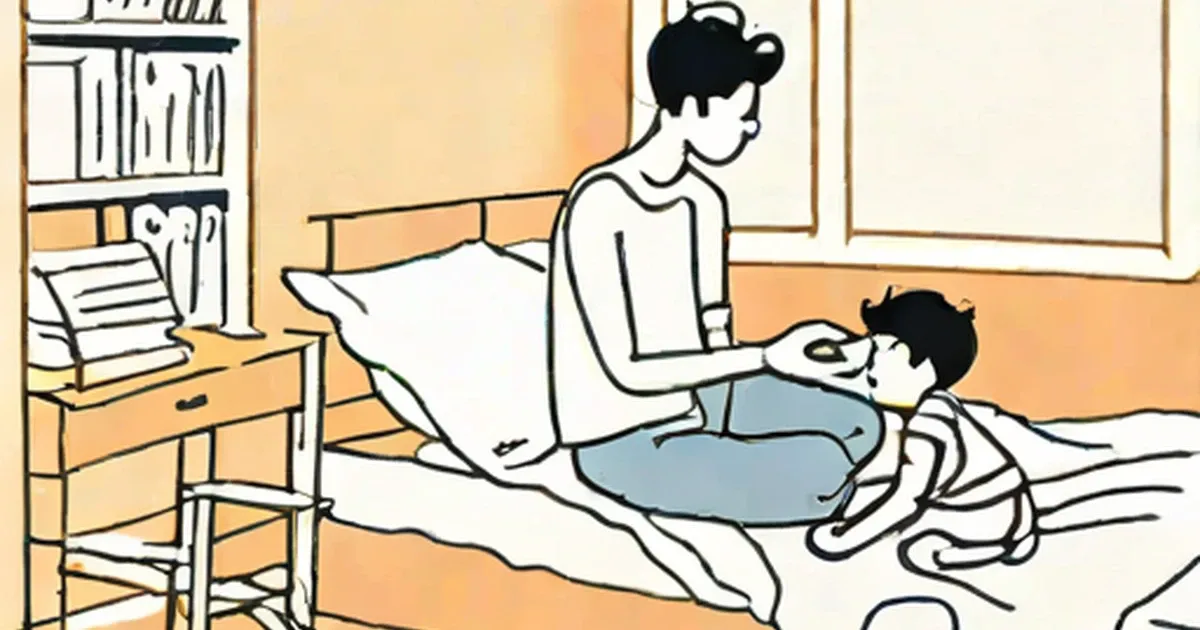
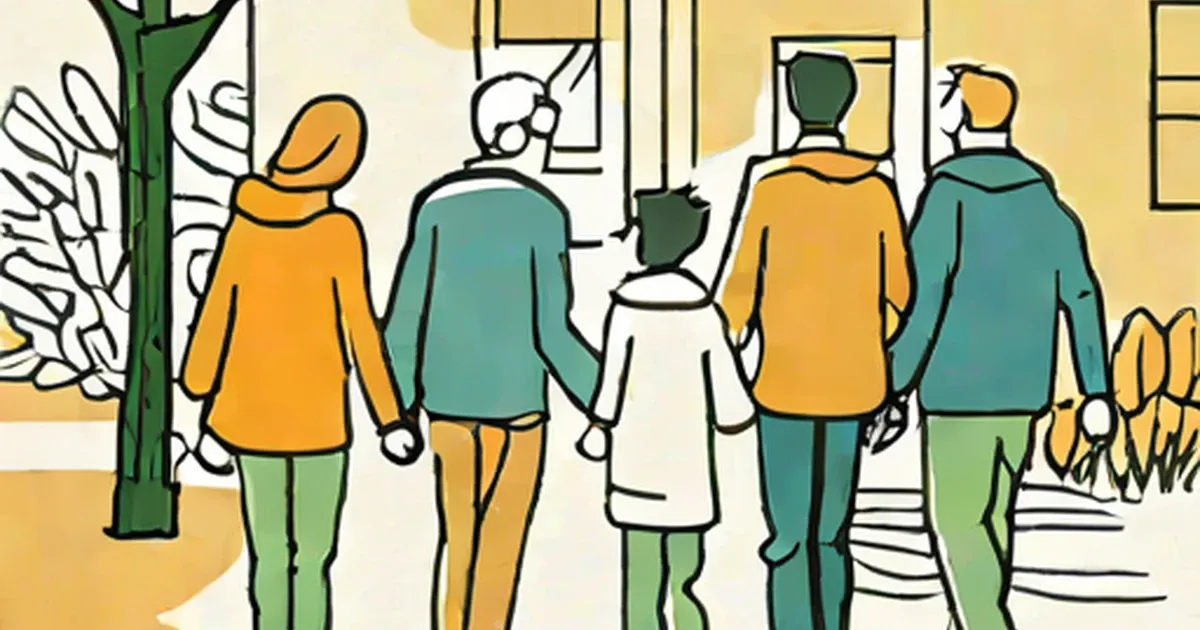
Every child with cerebral palsy may need a different kind of therapy, according to the severity of the disorder. Teaching and training a child with this disorder is not a single person's job. The major contributors in this case are the parents, who have to first cope with the fact that their child is different from others. It also includes the combined efforts of the physical therapist, speech therapist, doctors, special education teachers and psychologists.
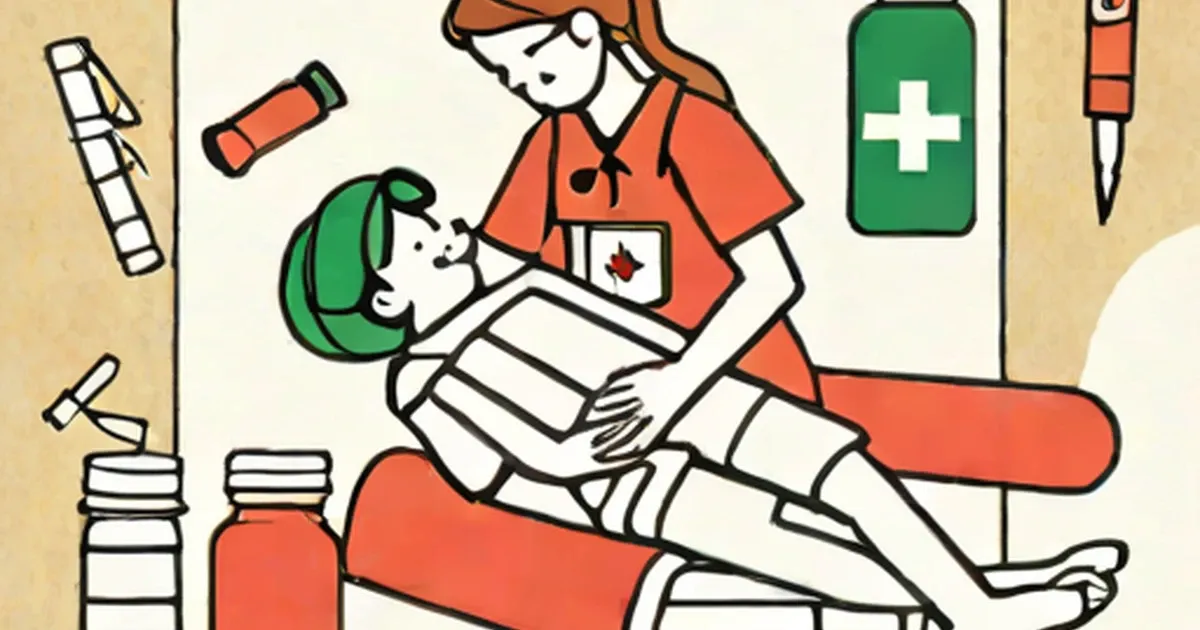
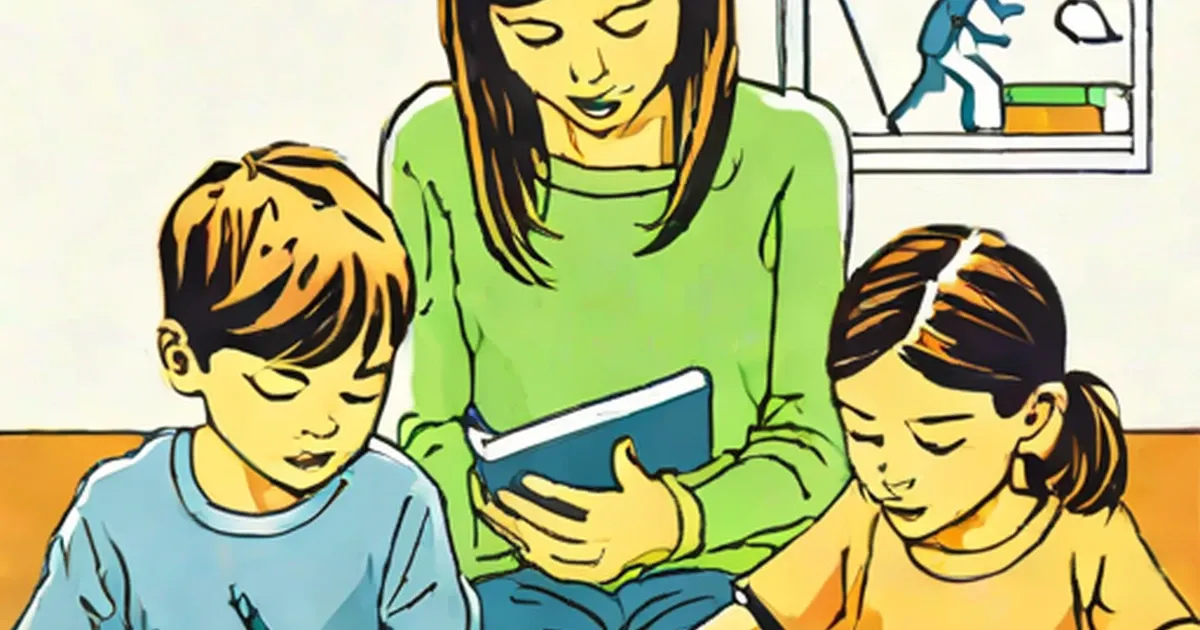
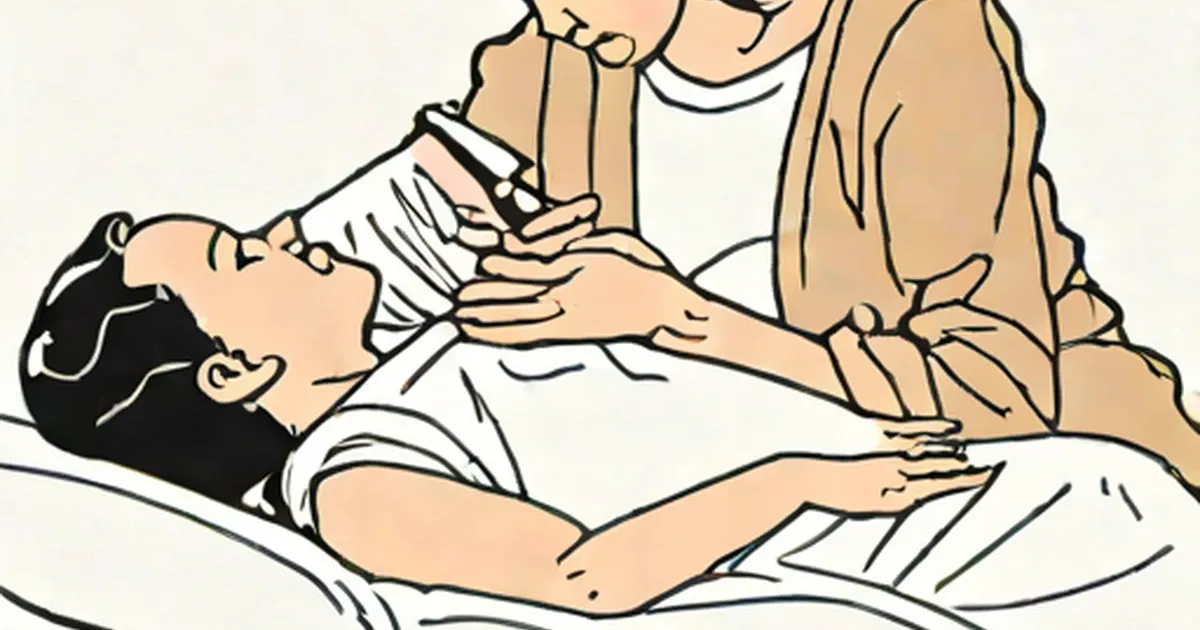
Physical therapists help children with CP in developing simple motor skills. Physical therapy helps them in learning how to walk with their braces, to stand and move around as much as possible without help, etc. They may also be taught to kick a ball and to ride a bicycle, provided the disability allows. In the same way, speech therapists would help in improving their communication skills. Speech therapy would help in developing or improving speech, listening skills, etc. In addition to this, enrolling children in special schools will also benefit their development. Teachers at special schools are trained to teach children with disabilities. Teachers of special children are expected to show great patience with such children. In special schools, every child is given individual attention and the curriculum is also planned so as to cater to their individual needs. All this helps to develop the child's abilities with a view to foster his independent / near independent functioning at a later stage.
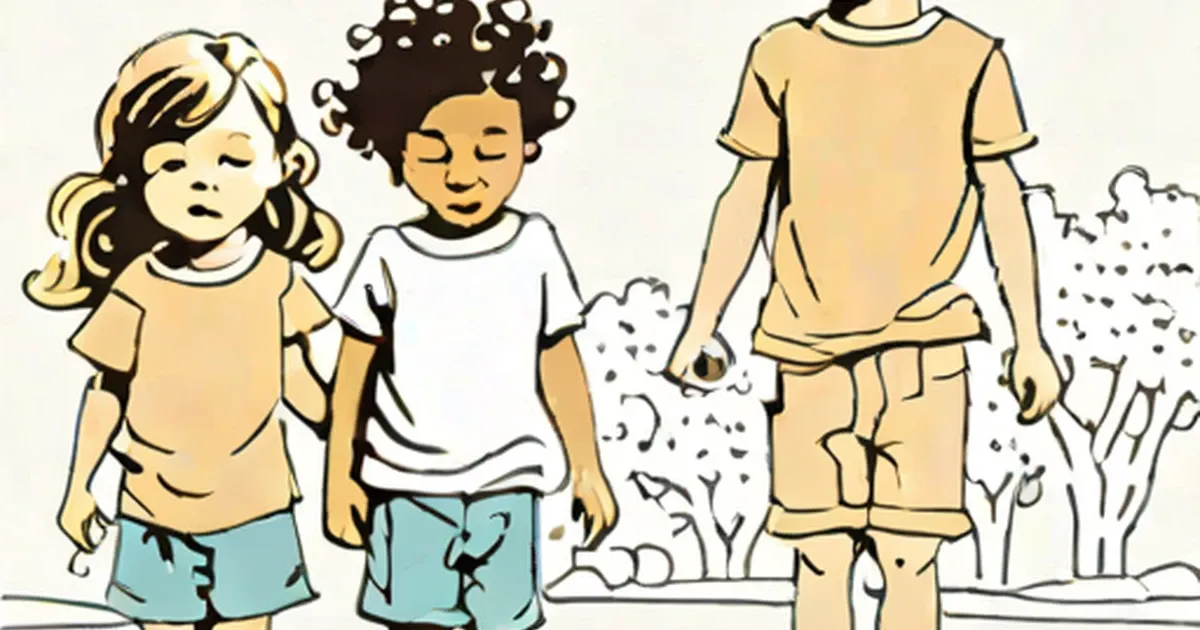
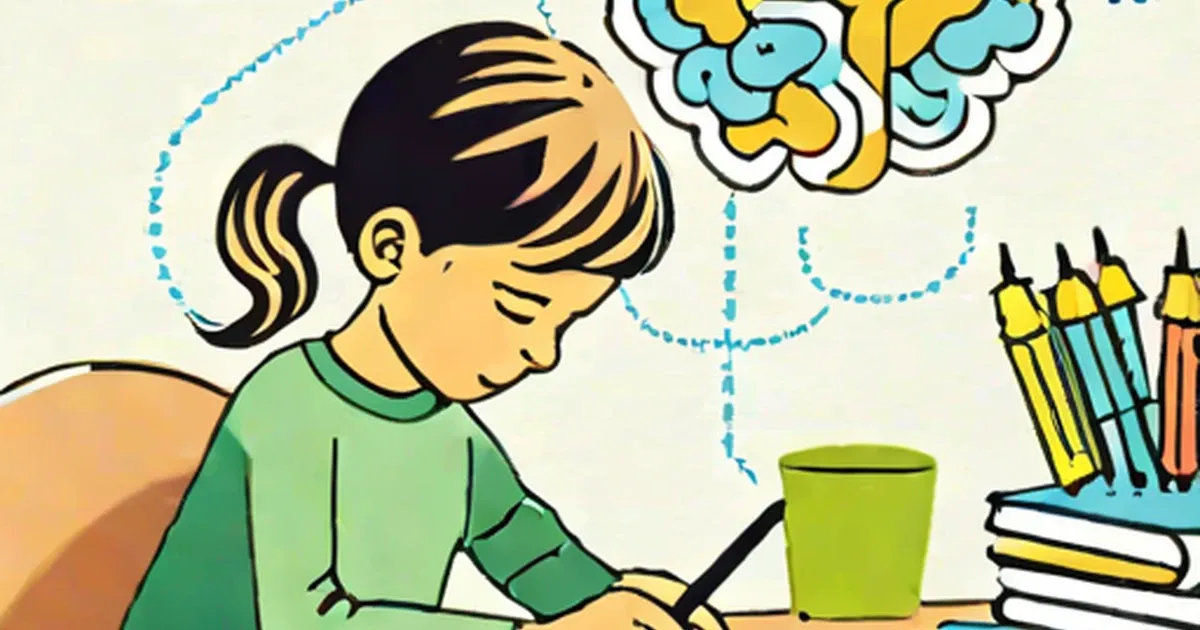
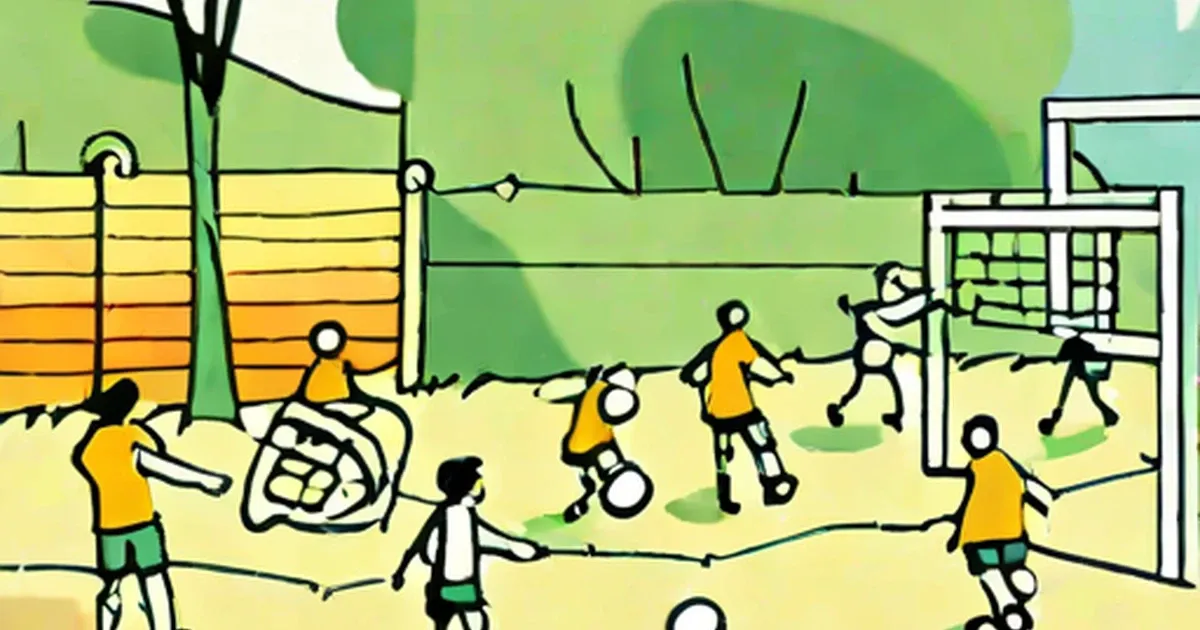
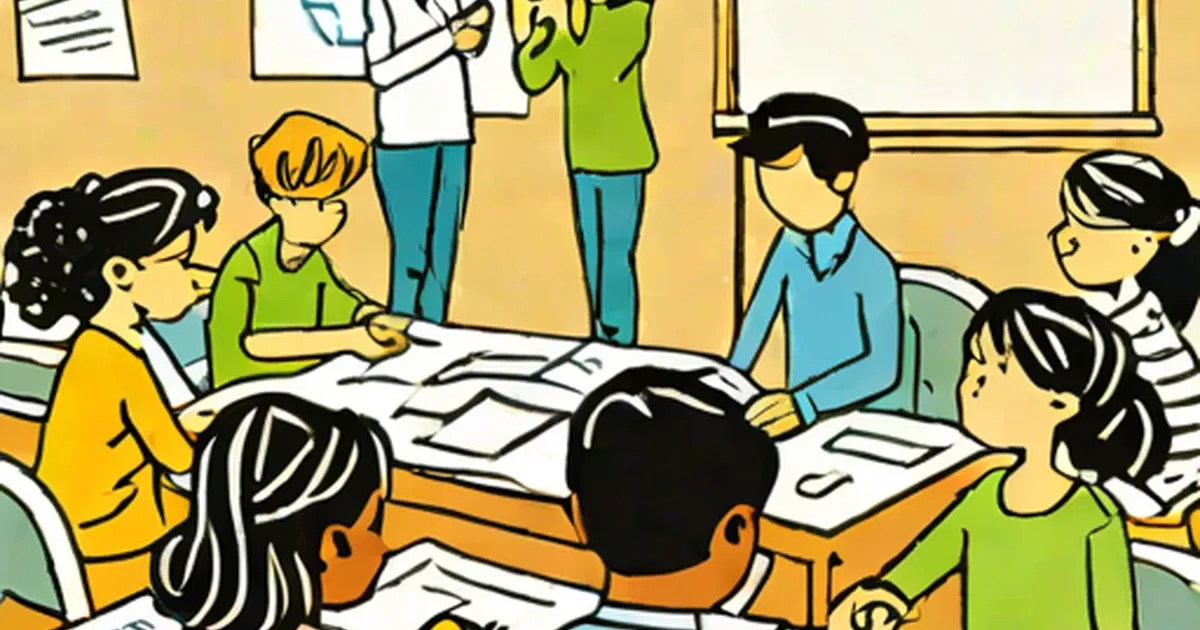
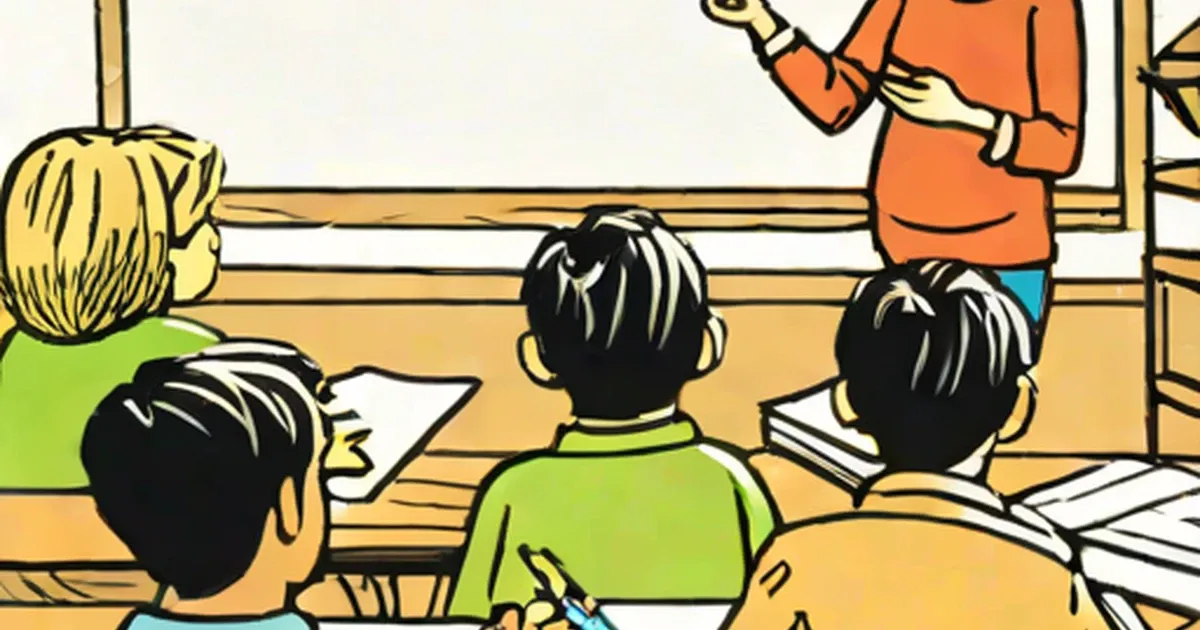
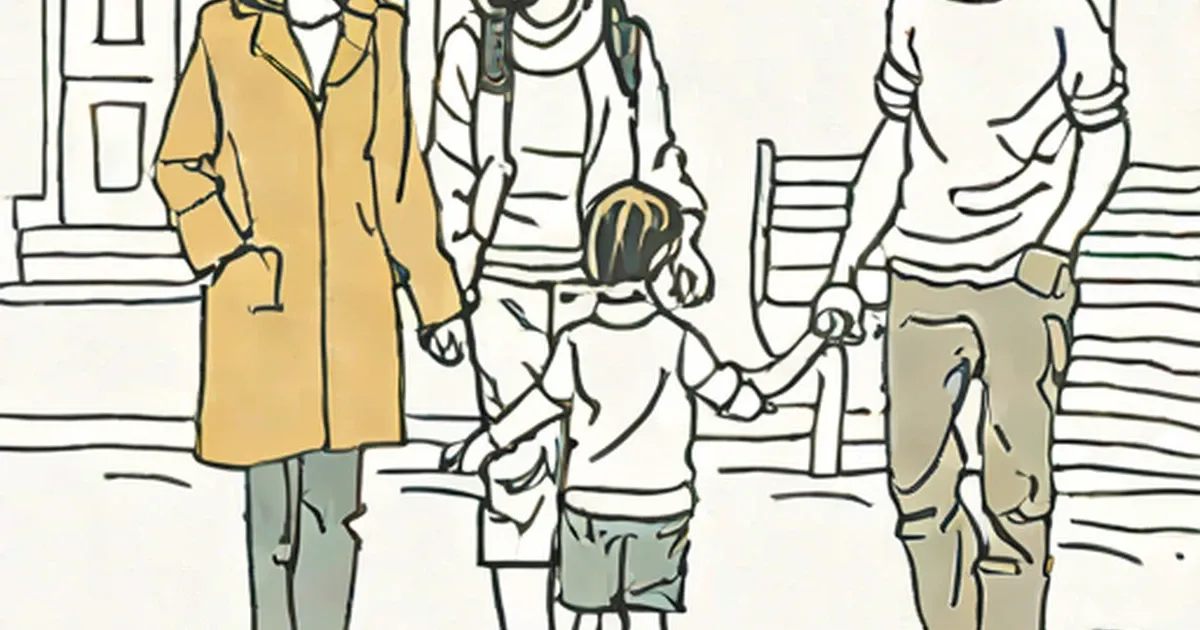
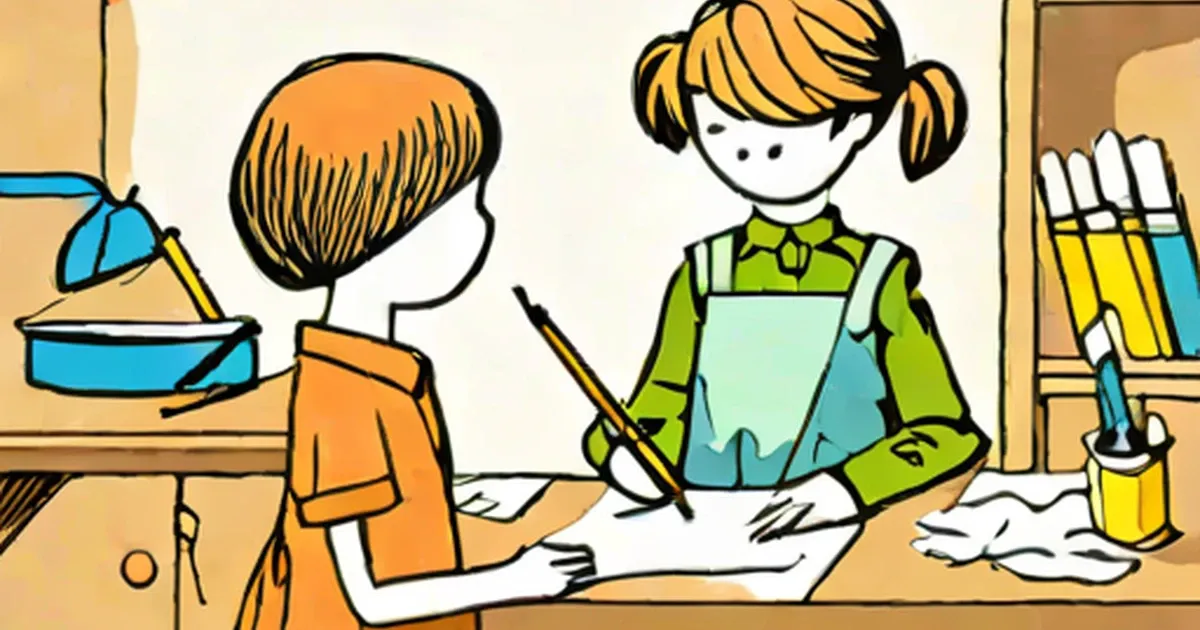
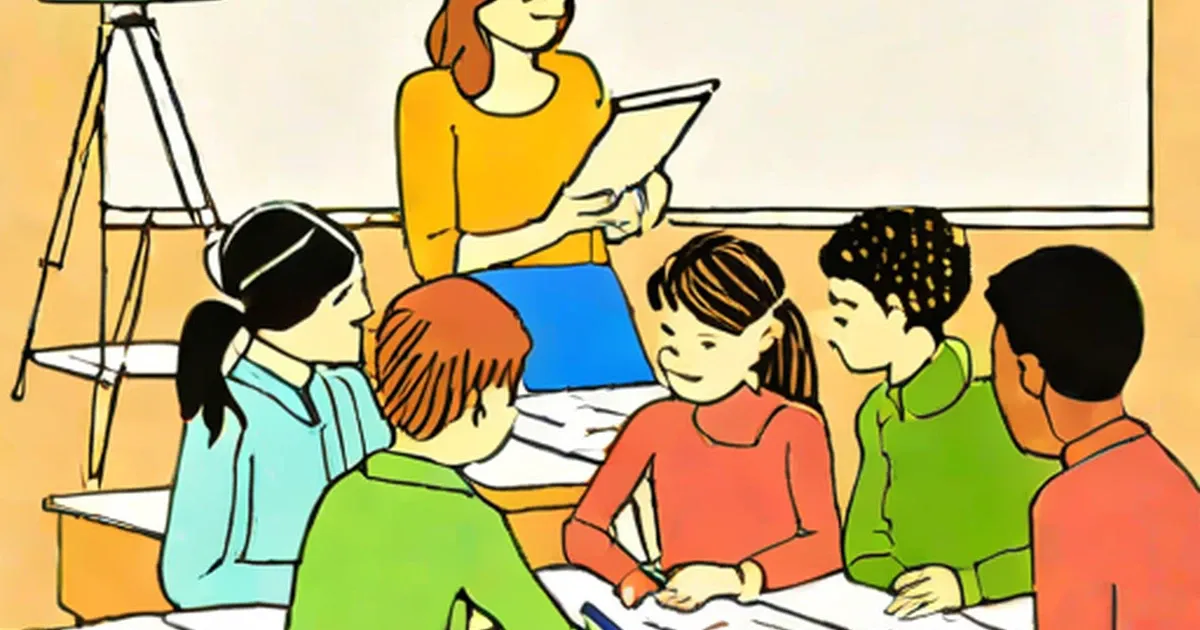
Some children with cerebral palsy are entitled to attend mainstream schools with 'normal' children of their age. A teacher who has such child in her class need not change the whole curriculum, but needs to deal a little differently with the disabled child. One should understand that the child is not like the other kids and may take a little more time to understand or respond to what is happening in the class. However, they should not be treated very differently. These kids should not be judged only by their disability, but should be encouraged to think and participate in the activities of the class. It has been observed that children who attend regular schools from a very young age, show great improvement. It is also good for the other children in the class because this will develop the feeling of compassion towards individuals who are different from them.
One very important thing to remember is that children with cerebral palsy may have a disability but that does not make them weak or incapable. Giving them training and teaching them skills to be independent from an early age would surely prove beneficial. One must keep in mind that children born with cerebral palsy are differently abled kids, who have every right to live a normal and successful life.

Use the feedback form below to submit your comments.

Use the form below to email this article to your friends.

- Treatment for Cerebral Palsy
- Activities for Child with Cerebral Palsy
- Cerebral palsy hopes and treatments
- What Is Cerebral Palsy?
- Toy Ideas for Children with Cerebral Palsy and Special Needs
- Types of and Causes of Cerebral Palsy
- The M.I.N.D. Institute: Searching for a Cure for Autism
- Helping Autistic Kids with Online Tutoring
- Brain Hemorrhage - A General Overview
- Early Symptoms of Autism
- Mild Cerebral Palsy
- Toys for Children With Cerebral Palsy
- Causes of Cerebral Palsy
- Physical Therapy for Cerebral Palsy
- Assistive Technology for Cerebral Palsy
- Facts about Cerebral Palsy
- Diagnosis of Cerebral Palsy
- Cerebral Palsy Gait
- Symptoms of Cerebral Palsy