Symptoms of Low Hemoglobin
The symptoms of low hemoglobin can vary from one individual to another. This article will help you to understand the symptoms of low hemoglobin better.
Hemoglobin is a form of conjugated protein present in the red blood cells. It is a pigment that has rich iron content. The main function of hemoglobin is to bind the oxygen. Within the lungs, hemoglobin undergoes oxygenation to form an unstable compound named as oxyehemoglobin. When this oxyhemoglobin reaches those parts of the body where the oxygen concentration is low and carbon dioxide is higher, then it releases the oxygen molecules and replaces the carbon dioxide. In normal conditions, the hemoglobin level in men should be between 12 to 16 grams per hundred millimeters of blood and in women, it should be in the range of 12 to 16 grams. When it goes below this, it is considered low hemoglobin level. Due to low hemoglobin, red blood cells count decreases. Low hemoglobin can be detected by the means of certain physical examinations and blood tests. People, irrespective of their age and sex, can suffer from low hemoglobin. However, it is more commonly found in infants, children, pregnant women and athletes. Here, we have discussed in detail about the various symptoms of low hemoglobin.
Common Symptoms of Low Hemoglobin Low hemoglobin is the main cause of anemia
. When the hemoglobin level is slightly below normal, it is possible that the symptoms may not even get detected at all. Feeling of tiredness, headache, dizziness, fatigue and lack of concentration are some general symptoms that may not be identified as the specific symptoms of low hemoglobin.
Low hemoglobin means less oxygen in blood and the lowered oxygen may result in shortness of breath. In order to compensate the deficiency of oxygen in the blood, the body tries to enhance the output of the heart. Due to this, symptoms like palpitations, chest pain and aggravation of heart problems can be observed. In case hemoglobin becomes extremely low, it can cause enlargement of heart and also show the signs of heart failure. Physically, the symptoms of low hemoglobin that can be visible are pale skin, nail beds and gums.
There are other symptoms that are comparatively less common and can be seen in certain cases only. These are: swelling of limbs (both arms and legs), continuous sense of heartburn, bruises, excessive sweating, vomiting and discharge of blood with stool. When infants and small children suffer from low hemoglobin for a prolonged period of time, it can be a cause of poor neurological development in them. During the growing up years, children with low hemoglobin often show behavioral disturbances and unsatisfactory performances in academics and increase the risk of being affected by lead poisoning.
Causes of Low Hemoglobin The main reason behind low hemoglobin is deficiency of iron in the body. This is because iron is responsible for the production of hemoglobin. When the body is incapable of absorbing certain vitamins then production of hemoglobin also gets affected. Specific type of genetic abnormalities may also be the cause of low hemoglobin in some individuals. People who do not include adequate amount of iron content in their diet may also develop the problem of low hemoglobin. Even people who have a medical history of alcoholism
may suffer from low hemoglobin.
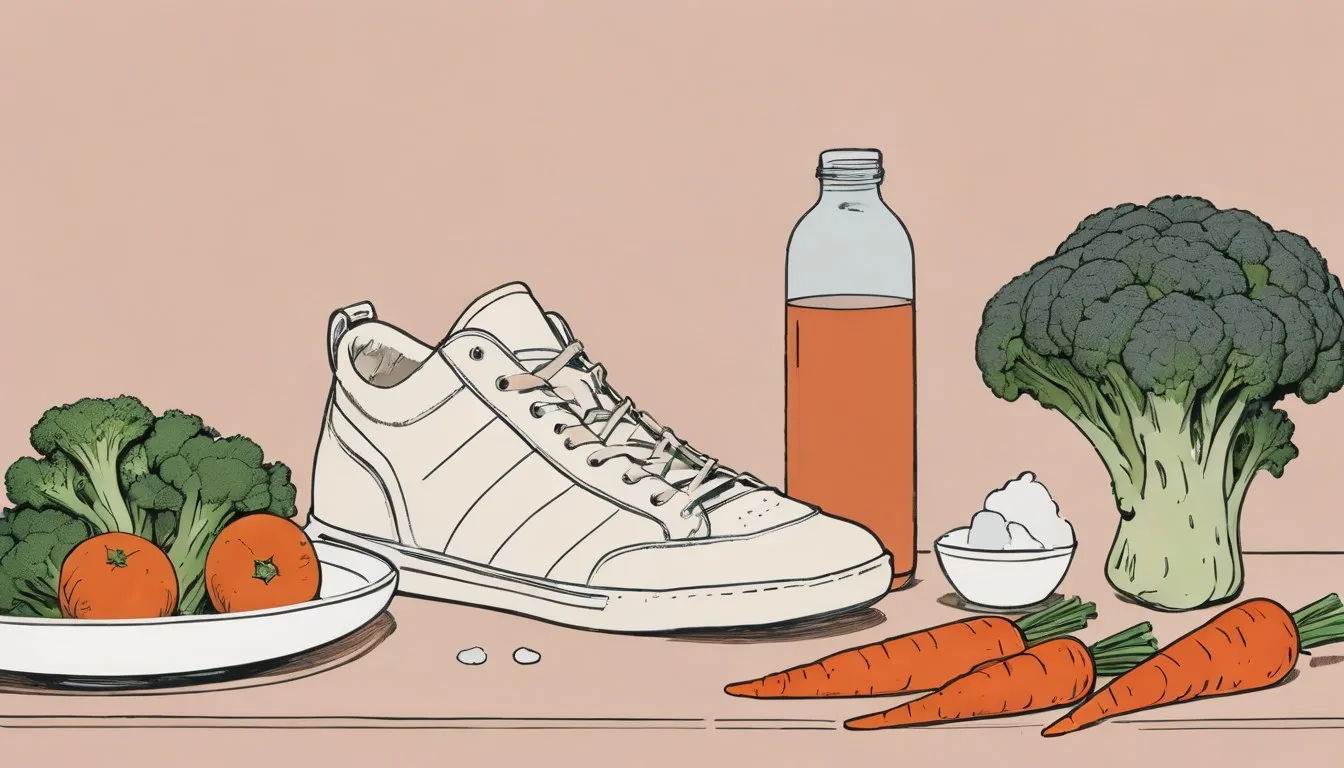
There can be improvement in the level of hemoglobin by increasing the intake of iron. This can be done by eating a healthy and balanced diet with foods that are rich in iron. Foodstuffs that can supply good amount of iron in our body are leafy vegetables, dried peas, beans, cereals, dried apricots and raisins. Also, red meat, shrimp and oosters are good sources of iron. Physicians prescribe iron supplements and vitamin supplements to improve the level of hemoglobin. Proper diet and medication can help you to get rid of the symptoms of low hemoglobin.