Symptoms of a Bad Fuel Pressure Regulator

Fuel pressure regulators in the car are designed to maintain constant fuel pressure. In order to spot any problem in the fuel pressure regulator, you need to know the symptoms of a bad fuel pressure regulator. Read ahead to know more.
Car problems are a big headache and usually occur when we need to travel urgently. Does the engine of your vehicle exit excessive oil or smoke? Has the fuel mileage of your vehicle dropped down? A bad fuel pressure regulator can be the reason of these problems. The fuel injection system in the car must supply fuel to the car engine with a constant pressure. This job is done by the fuel pressure regulator. A spring inside the pressure regulator pushes against the diaphragm and helps to regulate the pressure inside the fuel pressure regulator. The tension (pressure) of the spring is pre-set by the manufacturer to get the desired fuel pressure. The manufacturer sets the pressure level of the spring so that the fuel pump has to pump enough pressure and enough fuel at the same time to overcome the spring tension. The additional fuel that is not needed is sent back to the fuel tank through the fuel return line. Let us take a look at the symptoms of a bad fuel pressure regulator.

Location and Working of the Fuel Pressure Indicator

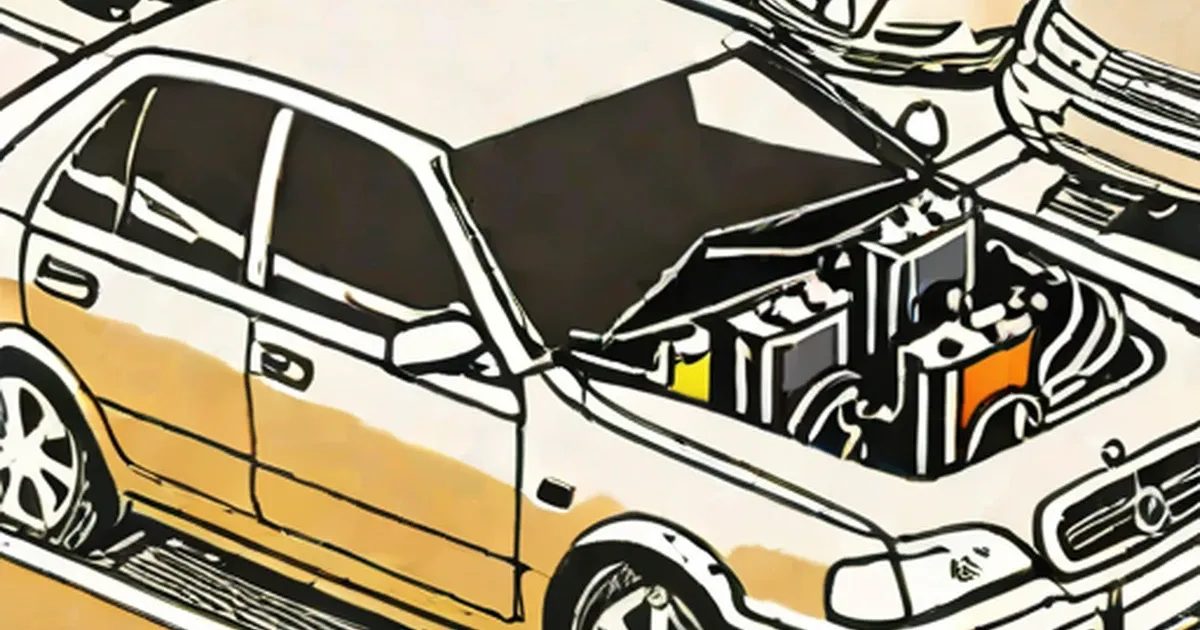
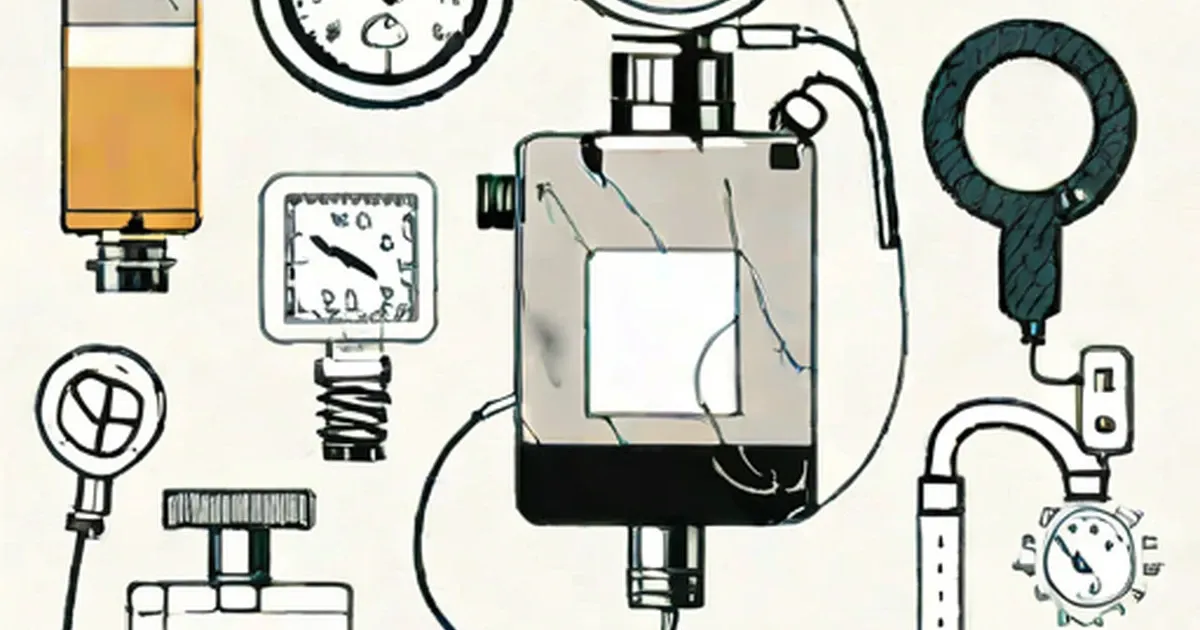
In order to know about the fuel pressure regulator problems, it is necessary to first locate the fuel pressure regulator in your car. For this, you need to follow the fuel rail around the car engine. The fuel rail is a pipe that carries fuel to fuel injectors and to the cold start valve in the engine. A cylindrical metal object connected to the fuel rail is the fuel pressure regulator. The fuel pressure regulator is the last part of the engine compartment that is supplied with fuel. The fuel pressure regulator has a vacuum hose attached to it. The vacuum in the regulator provides the extra pressure against the spring. Due to this vacuum hose, when the vehicle is at an idle condition, there is less pressure against the fuel coming inside the regulator. When the vehicle is accelerated, the fuel entering the regulator increases. This is how the fuel requirement in the engine is served accordingly.

Symptoms of a Bad Fuel Pressure Regulator

Fuel pressure regulators do not fail often to work properly. However, if they do fail, then it may result in low pressure. Mostly, the diaphragm in the fuel pressure regulator develops a leakage and the fuel enters the vacuum hose. This may lead to various kinds of troubles in the engine. The pressure in the regulator can be checked by pinching the fuel return line. If the pressure in the fuel pressure regulator does not rise after pinching the fuel return pipe, it is an indication of a bad fuel pressure regulator. Various bad fuel pressure regulator symptoms are observed due to lack of fuel pressure or excessive fuel pressure. A sufficient fuel pressure is not built inside the fuel pressure regulator. Also, signs like black smoke and oil exits the engine (rich engine running) are seen when you start the vehicle. Even when the engine of the car is turned off, the fuel pressure drops.

Signs of a Bad Fuel Pressure Regulator
  • The vehicle engine runs rough and often stumbles and sputters.
  • The engine will not start after ignition. Usually, this problem is encountered in the morning when you start your vehicle. Many times, the engine starts, but stalls shortly after starting.
  • The fuel pump in the vehicle becomes noisy at times.
  • A bad fuel pressure regulator can also result in fouled spark plugs.
  • Last but not the least, the fuel mileage of the engine decreases noticeably.
These are some of the symptoms of a bad fuel pressure regulator. When these symptoms are observed, the fuel pressure regulator needs a replacement. Replacing the fuel pressure regulator is the only solution to fix a bad fuel regulator.
By
Last Updated: 12/9/2011
Like This Article?
Follow:
Post Comment | View Comments
Your Comments:
Your Name: