Study of Sampaguita Flower
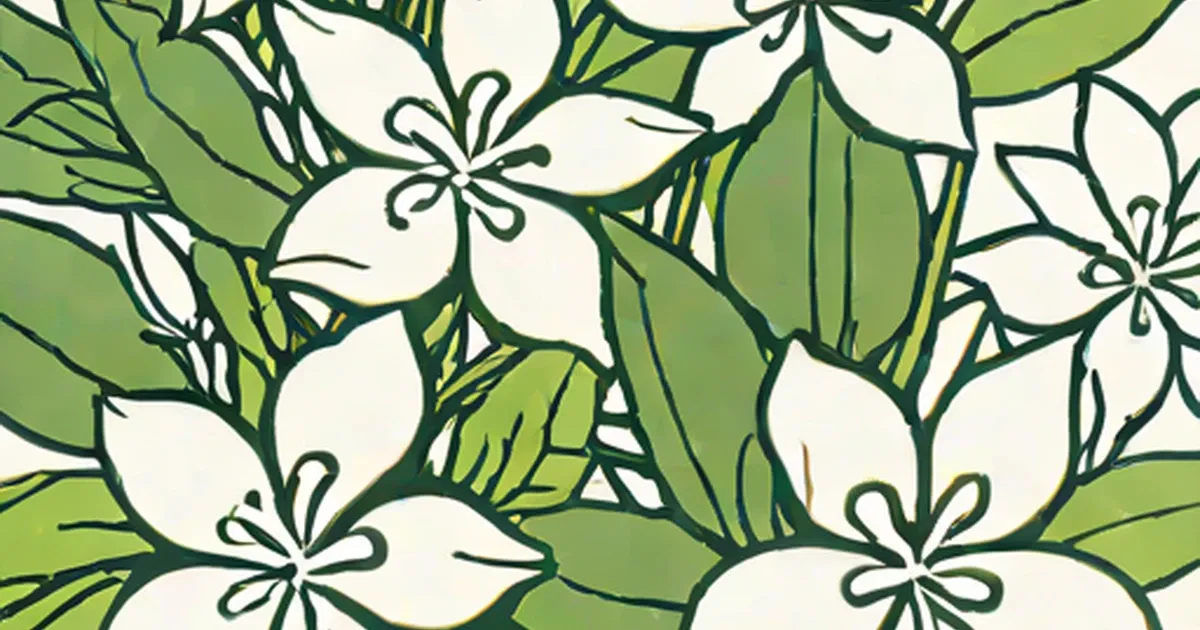
Sampaguita, the national flower of Philippines, is grown in the tropics, mostly for its rich fragrance. Let us study the Sampaguita flower.
Sampaguita (scientific name Jasminum sambac) is a species of the genus jasmine and is widely grown as an ornamental plant. This species is native to southern Asia, India and Sri Lanka. The Sampaguita plant is a semi-climbing, evergreen shrub that reaches to a height of 1-3 meter. Leaves are simple, ovate and are arranged, either on opposite sides or in whorls of three. Sampaguita flower is white in color and is produced either singly or in clusters of three or more, at times twelve. The flower opens at night and withers within 2 days. Occasionally, purple-black fruits are formed.
Classification of Sampaguita Flower Sampaguita is a Spanish term, which comes from the Filippino words sumpa kita
meaning ‘I promise you’. Like every flower signifies its own flower meaning, Sampaguita is a symbol of purity, devotion, dedication, fidelity and strength. Let us look at the classification of the Sampaguita flower.
Kingdom: Plantae
Division: Magnoliophyta
Class: Magnoliopsida
Order: Lamiales
Family: Oleaceae
Genus:
Jasminum Species: sambac
There are three varieties of Sampaguita, based on the petal structure and arrangement viz. single petal (singled petal flowers with five oval shaped petals), double petal (singled and doubled petal flowers with elongated petals) and double double (semi doubled and doubled petal flowers).
Cultivation and Uses of Sampaguita Flower
Sampaguita flower is the national flower of Philippines (adopted in 1937) and Indonesia (adopted in 1990). It is believed that Sampaguita plant was imported to Philippines, from the Himalayan regions, in the 17th century.
The constituents of Sampaguita flower are iron, glycosides, tannin, fats, silicon and calcium oxalate. There are many uses of Sampaguita flower, some of the common uses are:
- Oil extracted from Sampaguita flower is used in cosmetics such as perfumes, deodorants, hair oils and other body care lotions.
- Sampaguita flower due to its fragrance, is used for hair ornamentation in Philippines, India and China.
- The Sampaguita flower is used as herbal medicine; many people used it for alleviation of ailments such as headaches, fever, cough, diarrhea and abdominal pain. Sampaguita petals are used for preparing herbal tea.
- Sampaguita roots are ground and used for treatment of cuts and snake bites. The leaves and flowers also contain ingredients for use as antipyretics and decongestants.
A garland made from Sampaguita flower is used to welcome guests. In many of the countries, Sampaguita is regarded as auspicious and is used in religious ceremonies.
Growth and Propagation of Sampaguita Flower Since fruits are formed rarely, the mode of propagation is by cutting. The plant cuttings are easy to root and they are suitable in any type of soil, provided there is optimum plant growth factors
. As the plant increases in height, tie the stem with supports. Sampaguita grows better in soil enriched with organic matter and farmyard compost. Keep the soil moist by regularly watering the plant. However, make sure the soil is not waterlogged, as it can cause rotting of the roots.
They can be grown in areas, where there is availability of full sun or semi-shade. For better growth of Sampaguita, you can replace the pot with a larger size one, whenever the plant overgrows the pot. In case, you want to maintain the size of Sampaguita plant, you can prune the plants regularly after flowering. As Sampaguita plants require maximum light for blooming, exposure of the plants to sunlight as far as possible during blooming season is advisable.