Spain: Culture

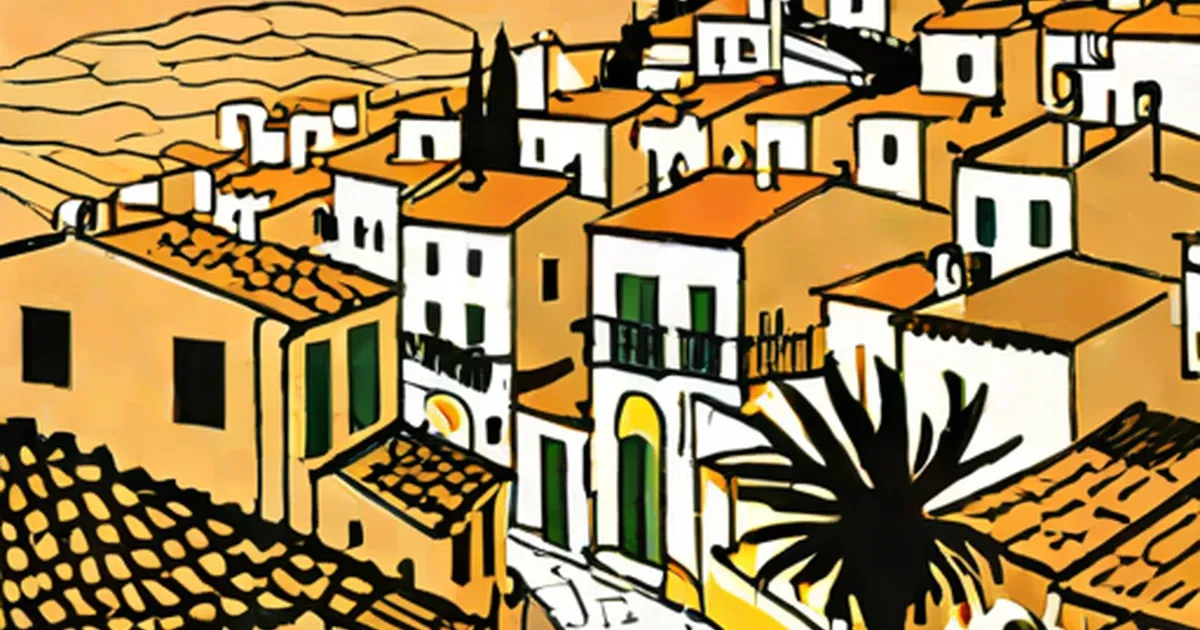
The Spanish culture is rich, colorful and mysterious. Yes, the Spanish culture and lifestyle differs tremendously from that of the other European countries. Their attitude and character traits might even seem a little offensive and blunt to people from other cultures. But, this is who they are and this is exactly how they are. This is the real beauty of Spain and its people!
As a result of its ideal geographical location, the culture of Spain has had a great influence from other cultures. These influences range from the Greeks and Romans to the Muslims, North Africans and Phoenicians. With their barging and touching and not standing in lines, the Spaniards are just as colorful as their culture, and if you are looking for an exciting, eventful holiday - Spain is the place to go! And, you don't even have to know the main languages of Castellano and Valencia! In this Buzzle article, we shall have a look at Spain's culture and traditions, that will help you know more about this beautiful country.

Main Aspects of the Culture of Spain
Spain is a Christian nation wherein around 77 percent of the population is part of the Catholic Church, while only 1 percent belongs to the Protestant Church. The country also has a healthy population of people who follow Islam as well. Spain was under the Franco dictatorship, till 1975. After his death, Spain returned to democracy. Spain's culture is widely sprinkled with influences from various other regions. Let us have a look at some of the major cultural aspects of Spain.

Bullfighting
Bullfighting is probably the most popular of all the Spanish traditions and culture, reflecting the great influence that other cultures and races had on this beautiful country. Brought into the Iberian Peninsula by the Greeks and Phoenicians, bullfighting is a sport that has evolved over the centuries and has since then adopted well within the Spanish culture. Originally, the sport involved men riding horses and fighting raging bulls, but it eventually changed to men, or matador, fighting bulls off without the aid of horses. Bullfighting is seen more as a ritualistic event today than a sport.

Dancing the Flamenco way
The Spanish culture is also closely linked to the famous Flamenco style. This passionate form of dance first originated in Andalusia and was originally considered to be a gypsy dance. It is a flamboyant dance that is accompanied with the soulful tunes of the guitar and a song (cante), which is the soul of the Flamenco dance. At its best, it is one of the true classical cultural contributions that Spain has to offer. Like bullfighting, Flamenco has also been referred to by many as the Soul of Spain and is a large part of the country's traditions and culture.

Its songs of lament, bitter romance and oppressions have a chilling effect on most people. Artists that have had a great impact on this beautiful form of dance include, Diego Velasquez, El Greco, Salvador Dali and even Pablo Picasso.

The Spanish tourism industry has used this beautiful art to its advantage and you can see Flamenco being performed in many of the commercial tourist shows that are greatly advertised as being 'original Flamenco fests', but are in fact a weak imitation of the real form. Real and true Flamenco is said to evoke the qualities of the demon or spirits that possess the performers, containing a sort of ecstatic yet primitive allure that welcomes all listeners.

However, the real thing can be experienced in smaller specialist bards and some of the members-only clubs, where ignorant and unappreciative tourists and foreigners are rarely welcomed or invited. The best chance of experiencing the real, authentic thing is probably at any one of the summer festivals that are held yearly in Granada, Cadiz, Malaga, Jerez and Seville, or even during the fiestas and festivals in the small villages that are off the tourist's maps.

Fiestas & Festivals
Fiestas and festivals are also a very important part of the culture in Spain and play a big role in the social life of the locals. There are more than 3,000 festivals and fiestas celebrated every year. The Spaniards are fun-loving people and are accustomed to these fests, and almost every town and village has its own annual fair that lasts anywhere from a few days to a few weeks.

Village festivals involve the locals going on a pilgrimage to a certain shrine either in horse-drawn wagons or on horseback. Foreigners are always welcomed to join in the fun and laughter.

The first national celebration in the month of February is the Martes de Carnaval (the Mardi Gras of Spain). Holy Week is another famous festival and attracts tourists from all over the world. Other famous festivals include the Corpus Christi, the Feast Day of Spain's patron saint, the Assumption of the Virgin (la Asunción). There are many local fiestas for safe return from the sea, deliverance from the Moors, and harvests - the Spaniards use any excuse to party!

Another interesting festival in Spain is 'La Tomatina'. People gather in the town of Bunol and are ready to throw more than 240,000 pounds of tomatoes on one another. This is one 'Ketchup Party' you don't want to miss. The Tamborrada de San Sebastián (The San Sebastián Drum Festival) is another delightful festival. Drummer parade through the city of San Sebastián on the night of the first day of every year. This festival ends the next morning with the 'Tamborrada Infantil' (Child Drummer's Ceremony). Other interesting and colorful traditions and festivals include:
  • Fiestas de la Vendimia Riojana (La Rioja Wine Festival)
  • Fiestas Patronales de La Virgen de Gracia (in honor of La Virgen de Gracia)
  • Fiesta de Verano (People wear traditional Spanish costumes and dance to 'sevillanas' and 'malaguenas')
  • El Cosos (Local fiesta of Felanitx)
  • Fiestas de Haro (Celebrated on the day of San Pedro)
From costumes and processions to music and dancing and feasting, you can see now why Spain's culture is considered to be the most colorful. Larger festivals include flamenco, bullfights, circuses, funfair's, fireworks, concerts, fairs, music competitions and recitals. The most famous, however, would have to be the Running of the Bulls in Pamplona, which takes place during the Fiesta de San Fermin.

Culinary Offerings
Food and cuisine in Spain is a heavenly mixture of chicken, mixed vegetable and meats, along with fish and many different spices. Although it may come as a surprise to you, the Spanish cuisine is relatively non-spicy, but this does not mean it is bland and tasteless! Spanish food offers some of the most mouth-watering delicious dishes ever to be set on a dinner table.

Some of the more popular Spanish dishes include paella, which is a rice dish that features a variety of ingredients. Then, you have the mariscos or shellfish and the potajes and pimientos rellenos. Hot chocolate and churros is a very popular dessert throughout Spain. Spain is also famous for its aromatic wines and the drinking age in the country is 18. Other alcoholic beverages are sangria, Cava and authentic Spanish beer.

Other Cultural Delights of Spain
For those of you into operas and the theater, you should know that most of the theaters in Spain are located in Barcelona and Madrid, although a huge program has been established to build more theaters throughout the country.

Spain has more than 800 museums and important collectors items, especially in Barcelona and Madrid, and over the years there has been a tremendous explosion in the number of art galleries in the country, especially galleries related to contemporary art.

Soccer or football is the national sport of the country and is easily one of the most important event or sport when it comes to spectatorship and participation. These football fans are amongst the most fervent and dedicated in all Europe and can only be matched in their fanaticism by probably the Italians.

The long yet leisurely walks on green terraces, the energy of bullfighting, the hypnotic beauty of the flamenco are just a few of the cultural experiences you can enjoy when visiting Spain. However, it's not just the flamenco dance or bullfighting that makes this country special. With its spectacularly diverse culture and traditions, it is a quaint mix between the Old World charm and the New World flamboyance. When you visit Spain, you will be floored by the magnificent beauty of the surroundings, people as well as culture. You won't spend a single dull moment in Spain.

A country brimming over cultural contributions, Spain has a rich and diverse heritage of folklore and stories. So, whether this your first trip to the country or even your tenth trip, the country will never fail to impress you. I am sure Spain's culture will never cease to amaze you.
By
Last Updated: 12/16/2011
Like This Article? Please Share!
Post Comment | View Comments
Your Comments:
Your Name: