South Korean Culture
If South Korean culture interests you this is the article for you, which discusses food, home, music, dance and art of Korea.
South Korean Culture: Mythological Past of Korea
Earlier Koreans believed that a the nation of Korea was formed when a God called Hwanung came from heaven and transformed a bear into a woman and then marries her. They had a son out of the marriage who was named Tangun was the one who established the capital of Korea and called it Joseon or the Land of Morning Calm. So this is how was the Korean Nation established. The ancient culture of South Korea was same as of North Korea but then after the two were divided, now the contemporary cultures of the two are different. The Korean culture was not influenced by the western culture as the Silla Mountain worked as a barrier. Therefore Korea developed a distinct culture of its own though there are elements of the Chinese and Japanese culture that invaded Korea number of times.
Music, dance and painting in the South Korean Culture
Korean Music reached its peak of excellence somewhere around 15th century when the Yi kings of the Joseon dynasty ruled but then the invasion from Japan totally washed away Korean music for somewhere around forty years. Korean music saw the light once again after 1945 but as was destined to be Korea was split in 1951, which led to the split in cultures as well. South Korea took much of the western instruments and culture as the U.S. troops were stationed there for a quite a while.Traditionally Korea had folk and classical music that was mostly played in courts. There were various genres of music that were present like the Sanjo, Pansori and the Nongak.
The court music of Korea was called the "jeongak" and was basically made for the sophisticated and literate upper class with an intellectual strain in them. It is slow music that consists of single beats and which are as long as three seconds. It is soft and calm and soothes the mind as it uses instruments that do not use metallic sounds. Most of the instruments are either made of bamboo or silk, so they create a muffled sound.
Pansori takes as long as eight hours for one performance and it is a performance that includes a singer and a drummer. "Pan" means "a place where many people gather" and "sori" means sound. Pansori performers took up ideas from popular love stories and satires. Then there is Pungmul, which is Korea’s folk music and has complete expression of all emotions. Unlike court music it is more about common people and their lives.
Dance of South Korea is equally interesting since there are two types of dance as well, one for the court and the other for the common people to enjoy and participate. The traditional dance of Korea had its origin in the shamanistic rituals. As in case of music, the Japanese invasions lead most of the dance forms to die a slow death. There are many dance forms that are lost.
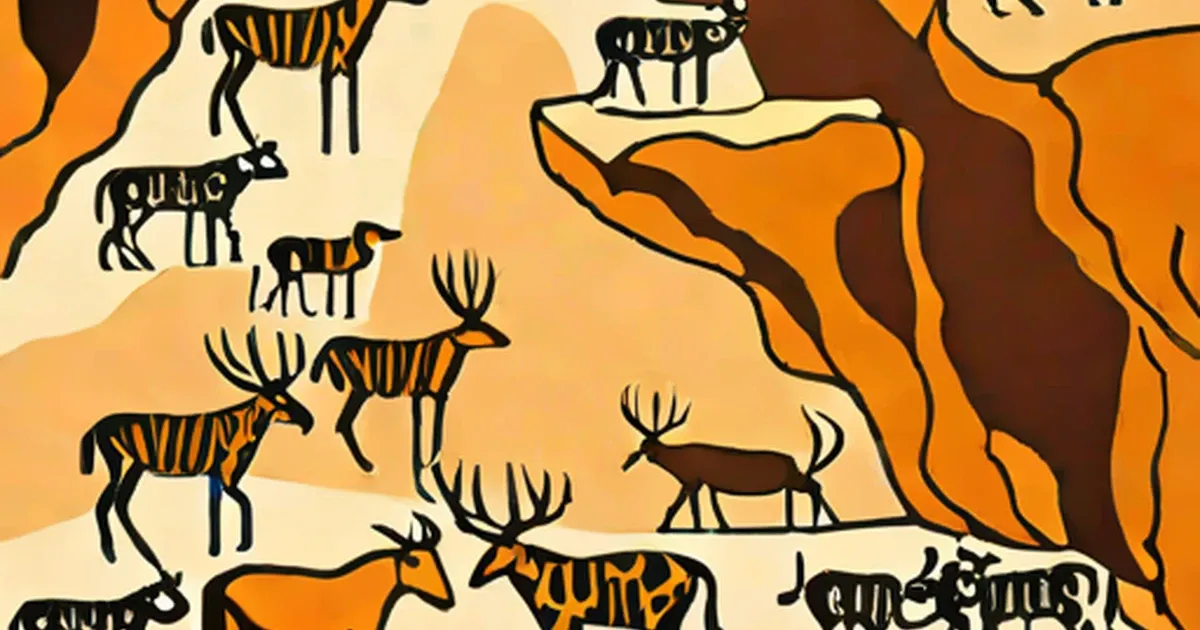
Painting of South Korea are petroglyphic that is paintings on rock. The themes of the paintings took a turn when Buddhism arrived in China since people began drawing Buddha and his disciples. The techniques used in painting also changed though the originally Korean techniques did exist.
Home and Dress in South Korean Culture
Koreans believe in ying and yang which are the positive and negative forces and which have to be balanced to establish a harmonious living. South Koreans believe that a home should be built in such a position so that it can receive as much sunlight as possible. The traditional Korean home had an outer wing and an inner wing, the former was used by aristocrats to entertain guests and the poor people used it to keep cattle whereas the latter was used by the family members by all the social classes.
The traditional dress of Korea is known as the hanbok, which consisted of a shirt and pants. The dress was incomplete without the "gwanmo" or the traditional hat. In Korea dresses were visible markers of the social difference that prevailed. Common people of Korea wore clothes that were not dyed.
South Korean Cuisine
For Koreans their staple food is rice, pickled fish and pickled vegetables. Fermented recipes are popular part of their cuisine. They also eat noodles, which has become a delicacy all over the world now. South Korean food is rich in spices and is cooked in sesame oil, doenjang, soy sauce and gochujang (red chili paste). Koreans use a lot of garlic; in fact it is the largest consumer of garlic. Koreans also consume soups and probably that is the reason they come up with varieties of soup recipes.
South Korean people are friendly and welcome foreigners with lot of excitement. They are open-minded and are ready to accept elements from other cultures but keep their culture intact and unaffected. Take a trip to Korea and you will certainly observe even more of their interesting culture.

Use the feedback form below to submit your comments.

Use the form below to email this article to your friends.

- Pyongyang Lambasts New South Korean President
- Fire Destroys South Korea's Best Known Monument
- Pledge to Boost Economy After Landslide for Lee in South Korea
- South Korea Picks Conservative Ex-businessman for President
- Voters Cool Towards Sunshine Policy in South Korean Election
- South Korean Leader Rejects Extra Day of Summit Talks
- South Korean President Crosses Border for Landmark Summit
- South Korea Paid $20m to Secure Hostages' Release, Say Taliban
- South Korean Pupils to Get Bodyguards
- Japanese Pm to Visit China and South Korea
- UN's Big Five Line Up Behind South Korean for Annan's Job
- South Korea Fines Microsoft £18m
- Reports of Britons Arrested in South Korean Teaching Crackdown
- Teachers Arrested in South Korea
- Doing Business in South Korea
- South Korea to Move Capital 100 Miles South
- South Korean is Latest Hostage to Be Beheaded in Iraq
- South Korean Press Review
- South Korea's Roh Forced to Step Down
- South Korea: President Puts Head on Block