Sneezing
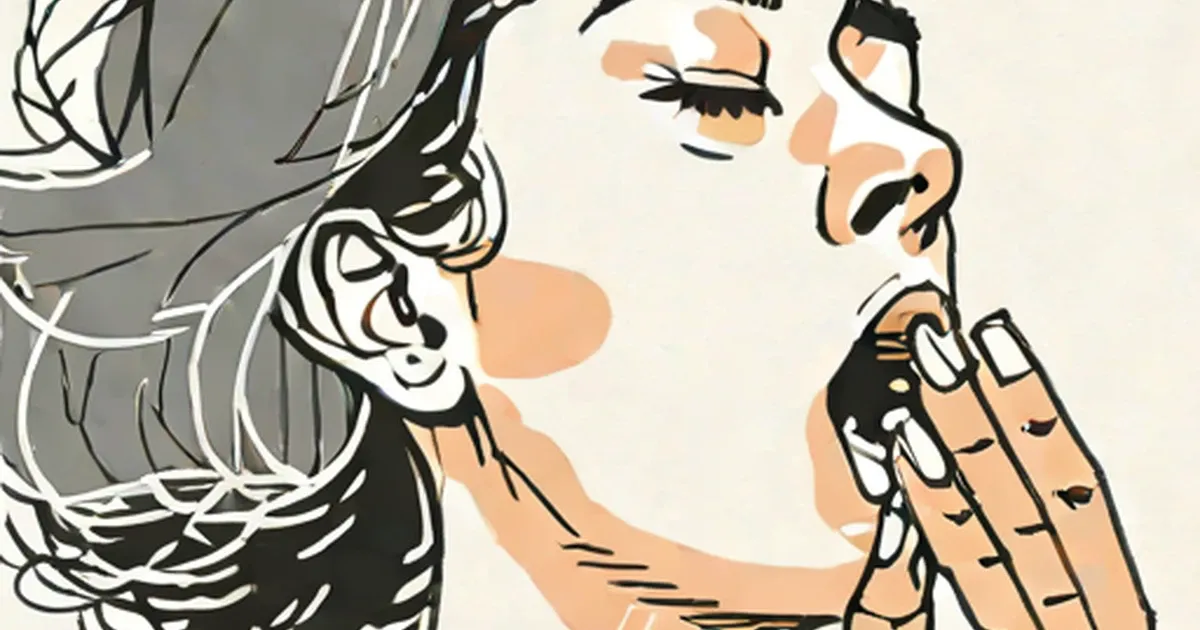
Read on to know more about the sneeze, how to control it and a few superstitions attached to it“
Aah - choo” Did you just sneeze? Well, it something was probably tickling the inside of your nose. Sneezing is also known as sternutation and it your body’s way to remove irritating particles present in your nose. Technically, a sneeze is defined as a semi autonomous convulsive expulsion of air that is present in the lungs.
The Sneeze
When a particle passes through the nasal hairs and reaches the nasal mucosa, production of histamines is triggered. These histamines reach the nerve cells present in the nose, which in turn send a signal to the brain to initiate the sneeze. The brain understands the signal and helps create a large opening of the nasal cavity that results in the release of air and bioparticles. A sneeze is pretty forceful and this can be attributed to the fact that along with the nose and mouth, numerous organs of the upper body are also involved.
A sneeze is a reflectory response that involves the muscles of the face, chest and throat. I realized how forceful a sneeze could be when I read that a sneeze causes the particles to fly out of our nose at the rate of 100 miles per hour. It is a common myth that the heart skips a beat when we sneeze. The truth is that when we sneeze, a positive pressure (Valsalva Manoeuvre) is created on the heart, which led to the origin of the myth that the heart stops.
Almost anything can irritate the insides of your nose, the most common being dust particles. When we catch a cold, the virus present in the nose causes a lot of swelling and irritation. Some people suffer from allergies and sneeze when exposed to certain particles like pollen fro plants or animal dander.
Photic Sneeze Reflex
The medical condition wherein people sneeze when suddenly exposed to bright light is known as Photic sneeze reflex. About 17% to 35% of humans suffer fro this condition and is passed genetically as an autosamal dominant trait.
Snatiation
Another trigger for uncontrollable bursts of sneezing in some individuals is a full stomach after a particularly large meal. This medical disorder is known as snatiation and is also passed genetically as an autosomal dominant trait.
How to Stop Sneezing
Uncontrollable sneezes that come up suddenly cannot be stopped. However, if you can feel the sneeze coming up then the following techniques may help as they will force you to focus on a physical condition other than the sneeze:
- When you feel the first tingle of the sneeze, pinch the tip of your nose.
- Using the tip of your tongue, tickle the roof of your mouth. It takes about 10 seconds for the sneeze to dissipate.
- Tickling the ear lobe will help.
- Concentrate on the space between the eyebrows. Imagine that something is touching it until the urge to sneeze subsides.
- Press at the center of the upper lip you’re your finger.
The tips provided above should be used to alter your focus to other physical activities to avoid another sneeze if you can feel it coming up and should not be used to stifle or hold back a sneeze, as it can be dangerous. Holding a sneeze can damage the sinus along with the inner ear and the brain cells.
Cultural Beliefs
People across the world associate various superstitions to sneezes. For example, in India a common superstition is that a sneeze that takes place before the start of any work is an indication of a bad interruption. Hence, people generally take a break or drink a glass of water before commencing the work again.
In almost all English-speaking countries, the common response to a sneeze by the people around it is “God Bless You”. Although the origin of this tradition is not known, the most common explanations focus on the idea of preventing the soul from the body or an effort to prevent death. However, these days, it is mostly said in the spirit of good manners.
The Guinness Record
Believe it or not, an entry for the longest attack of sneezing is present in the Guinness World Book of Records. A 12 year old girl called Donna Griffiths from England holds the record. Her sneezing attack lasted for 977 days from January 1981 and September 1983 and produced more than a million sneezes. At the beginning, the sneezes were very frequent, but towards the end, the sneezes occurred every 5 minutes.
I hope that this article has provided interesting information about sneezing. The next time you hear someone sneeze, make sure that you bless them.