Shale Oil Extraction Process
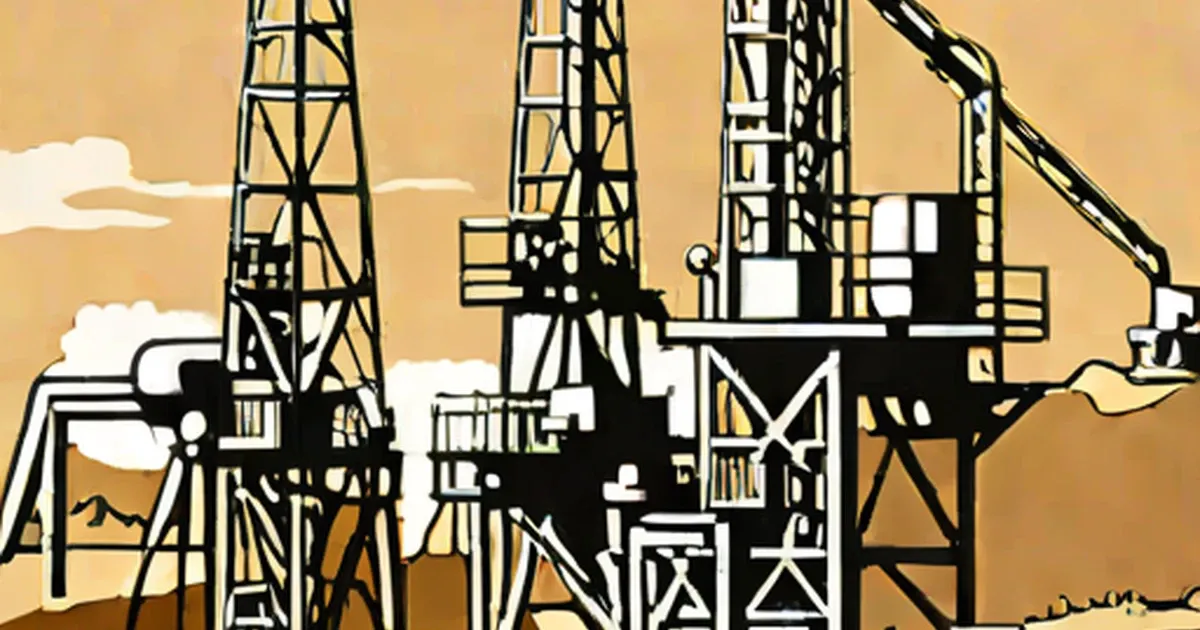
Shale oil extraction is a process of deriving oil from oil shale, which is a type of sedimentary rock, by subjecting it to high temperatures and then refining it. It is a more complicated process compared to crude oil extraction and has been in practice since the tenth century. In this article, provide a concise summary of modern shale oil extraction processes.
Shale oil extraction process is what may be classified as an unconventional oil extraction procedure. It predates crude oil extraction in practice and provides a synthetic form of crude oil, which is derived form a sedimentary rock type called oil shale. It is the prime alternative source of crude oil, which is being targeted for extraction throughout the world. In this article, I provide a brief overview of the shale oil extraction process and its types. Read more on sedimentary rock facts.
What is Oil Shale?
The source of shale oil are fine grained sedimentary rocks called oil shale. Oil is trapped in solid form inside these sedimentary deposits in the form of significant quantities of ‘Kerogen’. Kerogen is a solidified mixture of organic compounds, which releases crude oil and natural gas, on being heated inside the Earth’s crust. So, kerogen is the precursor to crude oil and natural gas. When kerogen is not subjected to heat and deposited in high concentrations as sedimentation on Earth’s surface, it forms oil shale rocks. The shale oil extraction process mimics the formation of crude oil in the Earth’s crust, by artificially subjecting the solid kerogen to heat and deriving oil, as well as gas from it. Large untapped deposits of oil shale have been found in the United States of America. It is estimated that there exists 2.8 trillion to 3.3 trillion barrels of potentially recoverable oil in oil shale rock deposits all over the world. This estimate exceeds the total proven reserves of crude oil, found around the world. Countries like China, Estonia, Germany, Brazil and Russia have well established industries for refining of shale oil and make an extensive use of it as a low grade fuel. Read more on sedimentary rock formation.
Shale Oil Extraction Process Types Shale oil extraction process is different from crude oil extraction, which mostly boils down to oil drilling
. After drilling into pockets of crude oil underground, it is extracted for refining and further use. On the other hand, shale oil extraction process is different because, solid rock deposits containing kerogen, need to be heated to yield an impure form of crude oil (shale oil), which needs to be further processed. Reports of shale oil extraction process dates back to the tenth century. It took a back seat as an oil extraction process after discovery of crude oil reserves, but has recently gained prominence at the beginning of 21 st century. The reasons being the renewed realization of the limited crude oil reserves, which may get exhausted one day.
To put it simply, shale oil extraction process involves processing of mined oil shale to extract the kerogen contained within and convert it into shale oil through pyrolysis, thermal dissolution or hydrogenation. The shale oil extracted is further processed by hydrogenation and nitrogen, as well as sulfur deposits are removed.
The most common method is pyrolysis, which involves heating raw materials to convert the kerogen into shale oil vapors through decomposition. The shale oil vapors are then collected through distillation and further refined.
The shale oil extraction processes come in many types. They can be classified by the type of method used for extraction into pyrolysis, hydrogenation and thermal dissolution. They can also be broadly divided into two methods which can be called ’
Ex Situ
’ and ’
In Situ
’ shale oil extraction processes. Here is a brief overview of both methods.
Ex Situ Shale Oil Extraction Process In ex situ
type of processes, the oil shale is mined first and then transported to a processing plant for further action. Naturally, transport cost of raw materials forms a big part of the total cost of these kind of shale oil extraction processes. Some of the technologies used in ex situ shale oil extraction are called internal combustion, hot recycled solids, wall conduction, externally generated hot gas and reactive fluid technologies.
In Situ Shale Oil Extraction Process The in situ
oil extraction processes involves heating the oil shale deposits on site and then extraction of shale oil through oil wells as it rises out. Some of the processes used for in situ shale oil extraction are wall conduction, externally generated hot gases, Exxon Mobil electrofrac and volumetric heating technologies.
There are environmental concerns about the air pollution caused, waste water disposal and extensive water use required by these processes of shale oil extraction. Besides that, these processes of shale oil extraction cost a lot more compared to conventional crude oil extraction processes.
Read more on:
- Oil Drilling Process
- Pros and Cons of Oil Drilling
- Effects of Oil Drilling in Alaska
Hope this brief overview of shale oil extraction process has given you an idea about the tremendous scope this process has for generation of alternative oil as fuel. Research is on to improve the processing methods and make it more economical and eco friendly. Realizing the potential this oil extraction process has, many multinational companies are planning to set up plants worldwide for shale oil extraction. However, as of now, crude oil production still remains a more viable and economical option compared to shale oil extraction process.