Sewage Water Pollution
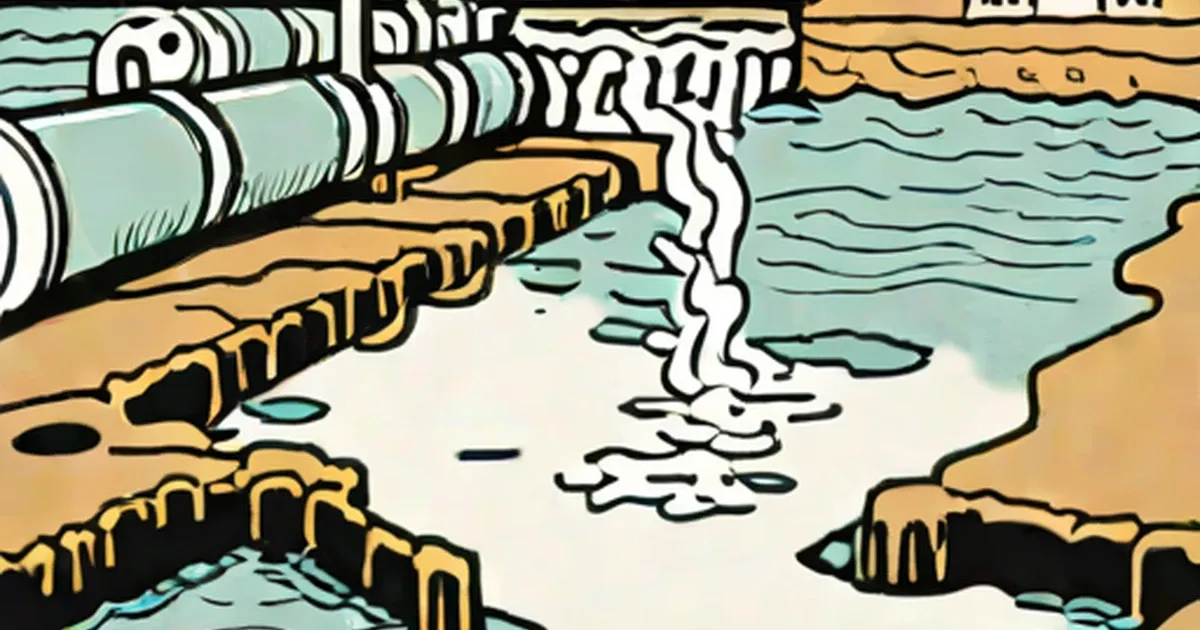
Sewage water pollution, one of the major problems faced by most cities nowadays, creates lot of health issues as well as environmental pollution. If the water is treated properly, it can prove beneficial. To know more information about sewage water pollution, read on...
Sewage water pollution is one of the major problems in cities. The sewage water is drained off into rivers without treatment. The careless disposal of sewage water leads to a chain of problems, such as spreading of diseases, eutrophication, increase in Biological Oxygen Demand (BOD), etc.
The waste water that flows after being used for domestic, industrial and other purposes is termed as sewage water. In ideal situations, the sewage water is channeled or piped out of cities for treatment. Bulk of the sewage contains water as the main component, while other constituents include organic wastes and chemicals.
Main Causes of Sewage Water Pollution Improper handling of waste water, is the main reason behind the pollution of water
. The sewage is drained off in large quantities into rivers. It slows down the process of dilution of the constituents present in the water; which in turn, stagnates the river.
Draining off the water without treatment is also a reason behind sewage water pollution. These effluents contain innumerable pathogens and harmful chemicals. The detergents that release phosphates in water, help the growth of algae and water hyacinths.
Ill-effects of Sewage Pollution The pathogens contained in the sewage water spread many diseases. Stagnant water fosters the growth of mosquitoes, which cause malaria. Another disease that spreads through contaminated water is typhoid
.
Excessive deposition of chemical nutrients in water bodies is called eutrophication. It is one of the numerous problems created by sewage water pollution. Degradation of the quality of water, reduction in the number of fish and increase in BOD, are the effects of eutrophication.
The toxins released into the rivers through sewage water are consumed by fishes and other organisms, thus increasing the possibility of these toxins entering the food chain.
Coral reefs
are affected by sewage pollution the worldover. The sewage water that is dumped in the oceans, affects the coral reefs to a great extent. The toxins present in the polluted water inhibit the growth of corals.
Water bodies in their natural form contain chemical compounds such as the bicarbonates, nitrates, chlorides, sulphates, etc. However, various problems arise with the increase in the amount of these compounds. The water becomes unsuitable for drinking and irrigation. Total Dissolved Solids (TDS) in water should be less than 500mg/gram, for it to be considered potable. Water which contains salts, is not useful for irrigation either. Utilization of such water leads to the salinization of the soil, which in turn leads to soil erosion.
Treatment of Sewage Water
If the sewage water is treated before being released into rivers, most of the problems pertaining to pollution would be solved. Removing contaminants is the main objective behind treating sewage water. Before the actual treatment, the effluent is pretreated. Pretreatment helps in separating materials like oils, greases, gravel and sand from the polluted water. It can be done, by filtering the sewage water. The biological wastes dissolved in the water are treated with microbes. This helps in converting them into a solid mass, which can be separated easily thereafter. After the biological treatment, the partially pure effluent is treated with chemical disinfectants. The water treated in the treatment plants can be used in golf courses for watering the lawns and in agriculture for irrigation. Some sewage treatment plants are very efficient and produce clear and clean water at the end of the process.
Sewage water treatment is a must, when environmental issues are an increasing concern. Efforts needs to be taken to purify the effluents. It will not only benefit human beings but also the varied flora and fauna on our planet. Let’s pledge to keep our environment beautiful and free from any kind of pollution.