Science Lab Safety Rules
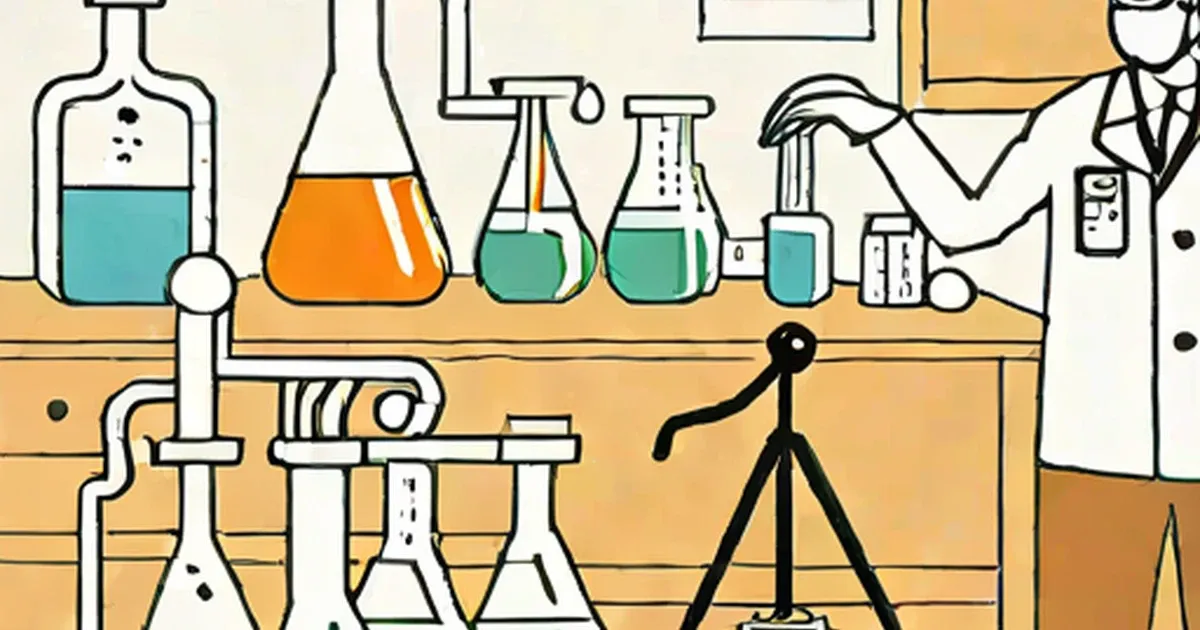
Science is a subject, which needs practical experience in laboratories. It cannot be understood just by classroom training. Therefore, this article will enlist some science lab safety rules.
Students will understand the important concepts in science only if they can apply the knowledge gained in the classrooms during practicals. As a result, labs for subjects, like Physics, Chemistry, Electronics, Biology, etc., are present in high schools and senior colleges. They are well equipped with all modern amenities. A typical Physics lab contains instruments, like the calorimeter, galvanometer, circuit boards, voltmeter, ammeter, and materials, like connecting wires, experimental boards, scientific scales, etc. A Chemistry lab will ideally have the burette, pipette, titration apparatus, many concentrated and dilute acids, compounds, chemicals, thermometers, and other items. Biology labs have instruments to prepare slides, microscopes, collected specimens of plants and animals, etc. Students perform the experiments and complete their journals with the guidance of teachers. Safety is very important here, and supervisors should ensure that the science lab safety rules are followed by all.
Physics
While doing practicals in a Physics lab, remember to keep your work area clean and organized. Never be in a hurry to complete your task. Do not touch live wires. Do not fiddle with things which are not related to your experiments. Be careful while using hot water in thermodynamics related experiments, as they can cause severe burns on the body. Use of gloves is recommended while handling hot objects. Get the circuit connection approved from the teachers. Any small error in connections can cause a major accident. While making changes in the circuit, turn off the power supply. This will stop current and nullify chances of electric shock. Never carry any substance, which may catch fire, as this is dangerous for everyone’s safety. Everyone in the lab should use safety clothing, like coats, goggles, gloves, etc., while performing practicals. All those present in the lab should know the locations of fire extinguishers and the quick exit door. If any accident occurs, report it to the teacher. Students are advised not to indulge in any sort of mischief in the lab. Safety procedures are displayed on every desk in the Physics lab.
Chemistry
In a Chemistry lab, the activity of using a pipette for precipitates should not be done by mouth. Many argue that it is just water and not any chemical that they are aspirating. But the glass pipette is not clean and is previously used by many people. Instead, students should be taught the technique of using automatic pipette or the pipette bulb. Pictures are available for each chemical we use in the Chemistry lab. These pictures should be studied before performing any action. The biggest mistake students commit is tasting chemicals. Some chemicals are poisonous and may lead to dire consequences. There is a specific way to dispose off the waste chemicals after the experiment is over. Consult the instructor in this regard. The order of mixing chemicals is important. Changing this order will not only affect the readings, but also can cause fast reactions leading to an accident. Be careful while using concentrated acids like hydrochloric acid (HCL), nitric acid, and sulfuric acid. Don’t lose your concentration while performing practicals. The 16 standard safety symbols are useful in teaching lab safety. The symbol showing ‘fire’ suggests that there is a danger of some substances causing clothes to burn. The symbol of a ‘goggle’ points out the need to protect your eyes. For more symbols, refer to your lab safety symbols chart.
Biology
The rules and regulations suggested for Physics and Chemistry labs should be followed in the biology lab as well.
Products and Equipment
The lab safety supplies should be as per the set standards. Safety products, like leak detector for toxic gases, oxygen analyzers, protective gloves, air monitoring system, product compliance solutions, etc., must be made available in every lab. Equipment like biological safety cabinets, ventilation air systems, face shields, industrial floor mats, and laser protective eye wears should be present in the labs in working condition.
Maintaining and overseeing safety in a science lab is a big challenge, as school children are mischievous and need more counseling and guidance. The school management should follow the rules laid down by government authorities. By doing so, we can provide a safe and secure study environment to the students.