The Results of Home Schooling vs Public Schools
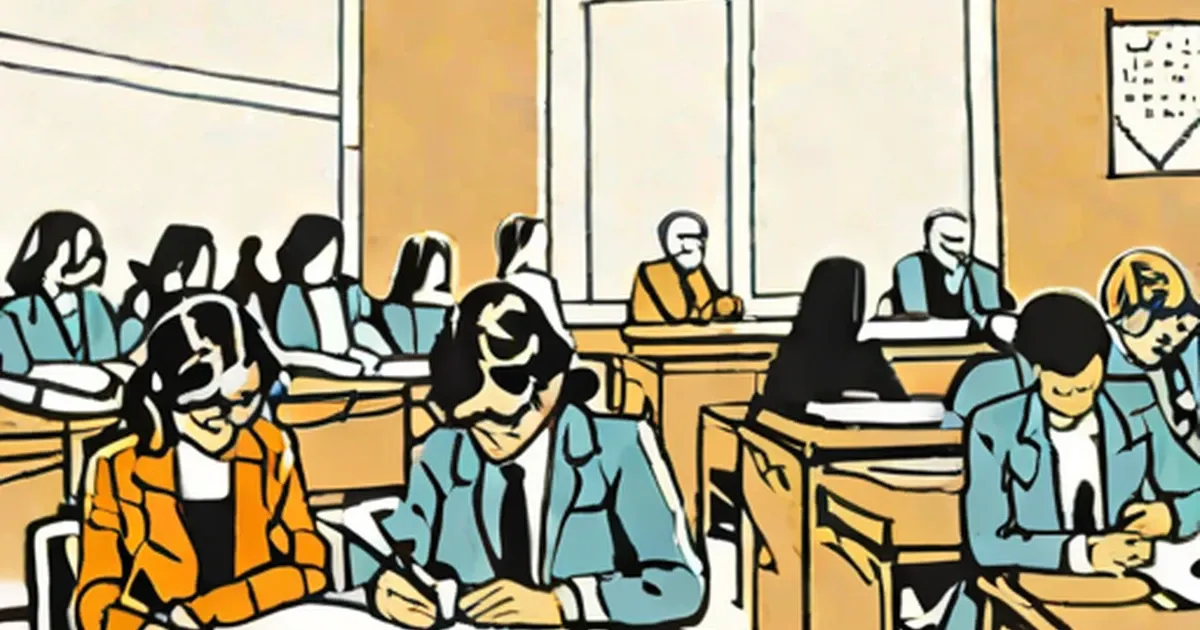
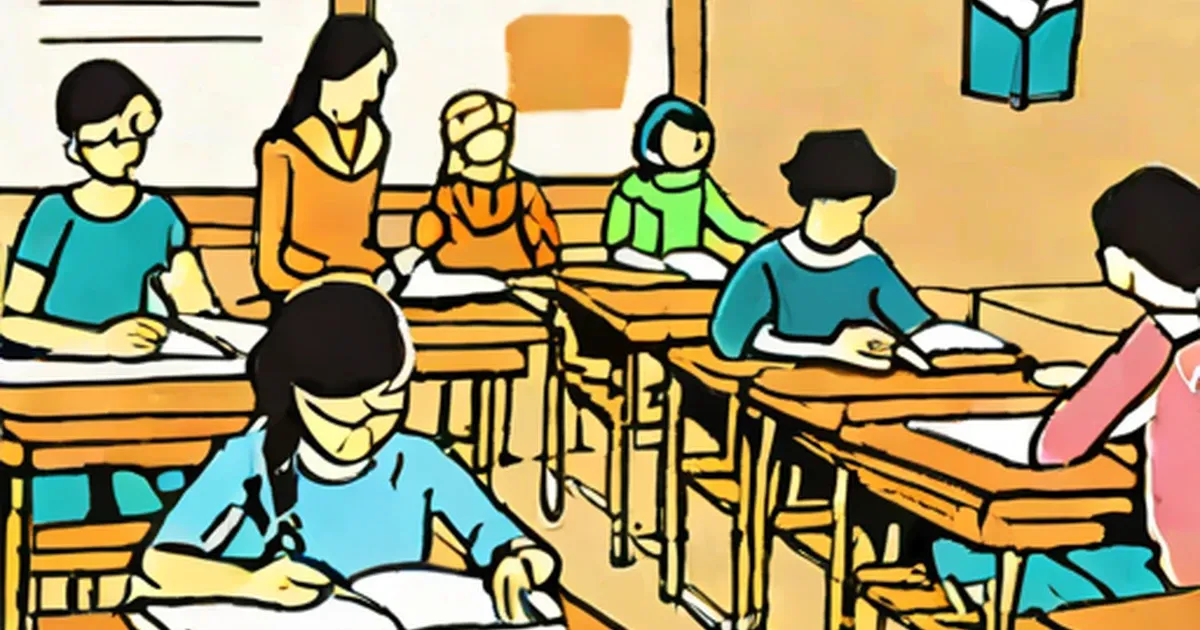
There can be little doubt that the public school system in many countries, including the United States, is doing a very poor job and many would say is failing. One obvious alternative is to home school your children but do the results of comparing home schooling to public schooling support this as a good choice?
One of the very first questions that most parents ask about home schooling is whether it actually works. They are only too well aware of the fact that the public schools have problems, but really wonder whether they can do any better. One natural response for some parents is to try a little harder to see if they can afford private schooling but, even if this were possible, are the private schools faring any better than the public schools?
The simple fact of the matter is that there are many, quality studies which show that, on average, home schooling produces superior students. To an extent of course this is understandable as parents clearly have an effect on education no matter which route they take. A parent who is genuinely interested in the education of his or her children will help to motivate them, producing better results.
But there is certainly more to it that this and there are many cases, in a great enough variety of situations, to take even this into account and still come to the conclusion that home schooling produces better results.
Even the Unites States Department of Education agrees. In one study which they sponsored themselves home schooled students produced exceptionally high test scores. The median scores in every grade were far higher than those of public schools and even higher than those of private school students. The average home schooled student in grades one through four was a grade level above that of public school peers and, by the time home schooled students reached the equivalent of the 8th grade, they were as much as four years ahead of students attending public school.
As if this were not enough, costs were also lower. On average, government schools spent $6,500 per student each year and private schools spent $3,500. By contrast, parents undertaking home schooling spent about $550 per student each year. This figure for home schooling does not of course take into account the time spent by parents on home schooling for which a public school teacher would be paid.
The public school system as we know it today evolved during the second half of the 19th century as one state after another made school attendance compulsory. Perhaps the most interesting question however, and one which rarely seems to be asked, is why, if public schooling offered such superior value, it was necessary for the states to make it compulsory and to force parents to put their children into the public school system.
It could be, and sometimes is, argue that this was due to the ignorance of rural parents who did not see the value of education. However, it is interesting to note that adult illiteracy rates in 1840 Massachusetts were a low 2% and that, by 1995, this figure had risen to 19%, in spite of apparently enormous advances in the intervening years. In 1840 libraries were rare and today they are everywhere as books are both relatively inexpensive and easy to trade.
Today over a million children are home schooled in the United States and thousands of home schooled students have attended colleges and universities, including many of the most prestigious and difficult to get into.
Whatever your own thoughts about home schooling vs public schools there is no doubt that the results clearly show the advantage of home schooling.
Parenting4Dummies.com provides advice and information on many aspects of parenting and can also be your best homes schooling resource with information on such things as the advantages and disadvantages of home schooling, home schooling vs public schools and much more.
The simple fact of the matter is that there are many, quality studies which show that, on average, home schooling produces superior students. To an extent of course this is understandable as parents clearly have an effect on education no matter which route they take. A parent who is genuinely interested in the education of his or her children will help to motivate them, producing better results.
But there is certainly more to it that this and there are many cases, in a great enough variety of situations, to take even this into account and still come to the conclusion that home schooling produces better results.
Even the Unites States Department of Education agrees. In one study which they sponsored themselves home schooled students produced exceptionally high test scores. The median scores in every grade were far higher than those of public schools and even higher than those of private school students. The average home schooled student in grades one through four was a grade level above that of public school peers and, by the time home schooled students reached the equivalent of the 8th grade, they were as much as four years ahead of students attending public school.
As if this were not enough, costs were also lower. On average, government schools spent $6,500 per student each year and private schools spent $3,500. By contrast, parents undertaking home schooling spent about $550 per student each year. This figure for home schooling does not of course take into account the time spent by parents on home schooling for which a public school teacher would be paid.
The public school system as we know it today evolved during the second half of the 19th century as one state after another made school attendance compulsory. Perhaps the most interesting question however, and one which rarely seems to be asked, is why, if public schooling offered such superior value, it was necessary for the states to make it compulsory and to force parents to put their children into the public school system.
It could be, and sometimes is, argue that this was due to the ignorance of rural parents who did not see the value of education. However, it is interesting to note that adult illiteracy rates in 1840 Massachusetts were a low 2% and that, by 1995, this figure had risen to 19%, in spite of apparently enormous advances in the intervening years. In 1840 libraries were rare and today they are everywhere as books are both relatively inexpensive and easy to trade.
Today over a million children are home schooled in the United States and thousands of home schooled students have attended colleges and universities, including many of the most prestigious and difficult to get into.
Whatever your own thoughts about home schooling vs public schools there is no doubt that the results clearly show the advantage of home schooling.
Parenting4Dummies.com provides advice and information on many aspects of parenting and can also be your best homes schooling resource with information on such things as the advantages and disadvantages of home schooling, home schooling vs public schools and much more.

Use the feedback form below to submit your comments.

Use the form below to email this article to your friends.

- Home Schooling Option Over Traditional Public Schools Gaining Acceptance in U.S. — Not So in Other Countries
- 5 Things To Consider When Moving A Child From Public School Into Home Schooling
- Should You Be Home Schooling Your Children?
- Are there home schooling programs available for college students?
- The Benefit of Home Schooling - 8 Reasons to Educate Your Child at Home
- The Philosophy Behind Home Schooling
- Home Schooling – The Ins And Outs Of Do It Yourself Education
- Pros and Cons of Homeschooling
- How to Home School Your Child
- Accredited Home Schools is the Answer that Many Parents Have Discovered
- The Role of the Homeschooling Father
- On Homeschooling
- Homeschooling Association: Groups Dedicated to Making Homeschooling Possible
- How To Schedule Your Homeschooling Day, And Have Time To Spare
- 8 Ways To Focus Your Child On Learning…Starting Tomorrow
- 6 Basic Question To Ask Yourself If You Are Thinking About Homeschooling
- Homeschooling For Entry Into College
- No-one In Their Right Mind Choose To Home School Their Children
- Step by Step Guide to Homeschooling in North Carolina
- Homeschooling - Maintaining Discipline