Pure Essential Oils - How to make Essential Oils
Often people suffer from problems like pain in muscles, fungal infections, hair damage, digestion problems, feeling of tiredness, etc. To get rid of these problems, many different remedies like performing exercises, applying lotions etc. are tried. Let's read about pure essential oils that are an effective solution to all these above mentioned problems.
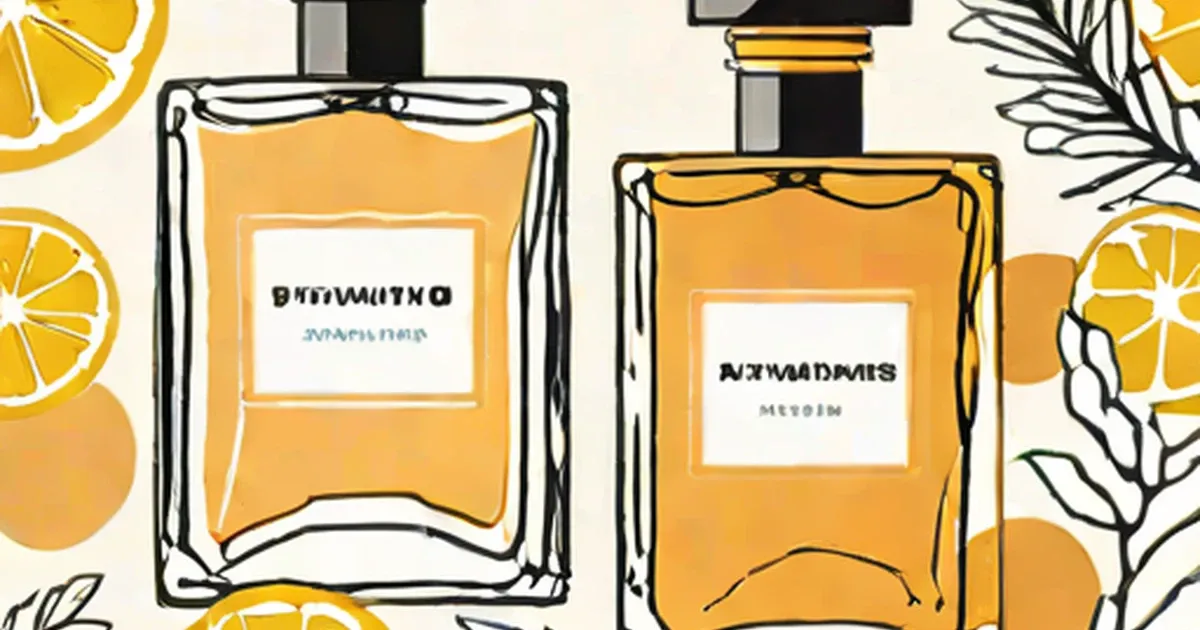
Pure essential oils normally tend to be clear, but exceptions to this are the oils like lemongrass, patchouli and orange that are yellow or amber in color. Essential oils are to be used in small quantities, as these are highly concentrated and therefore a very small quantity can last for a longer time. Essential oils and perfume oils are mostly perceived to be similar although they are different from each other. Essential oils are extracted from plants, whereas perfume oils are fragrances that are artificially created and composed of artificial substances.
How to Make Essential Oils at Home?
If you are excited and are thinking right now, "How do I make essential oils at home"? Here is the answer. Making essential oils at home is not at all a difficult job. You would need a few ingredients and some time to prepare essential oils.
Requirements
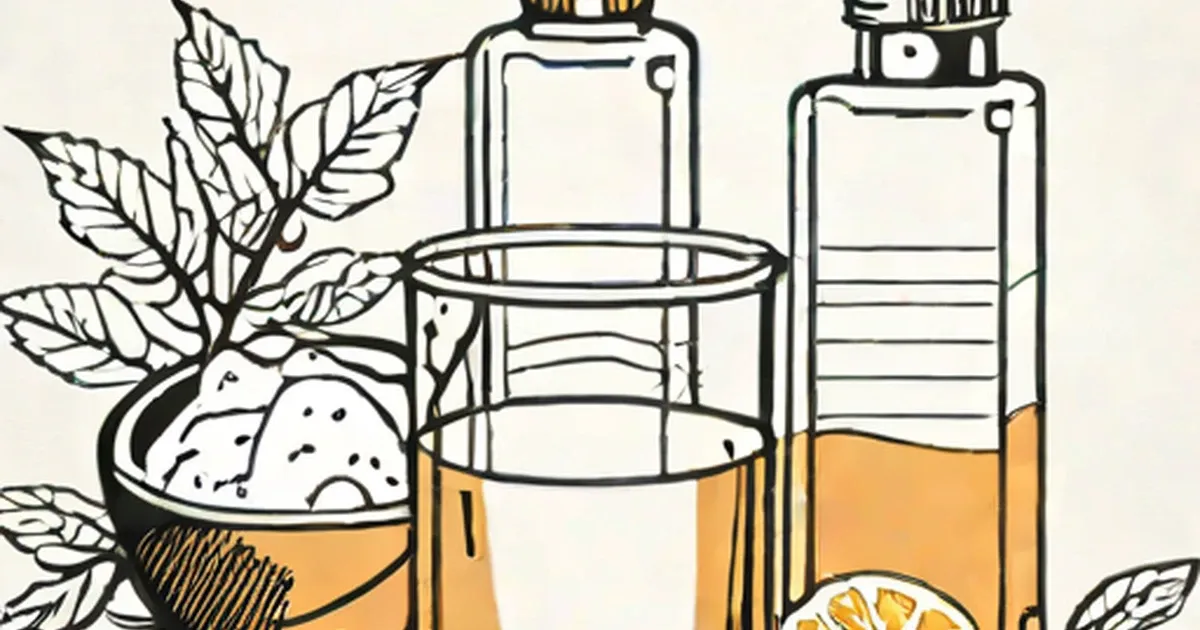
¼ cup of herb (you can select and add the herb that you wish), 1 cup of olive oil, a glass bottle of dark amber color, a medium sized pot and a cheese cloth.
Procedure
- Take a medium sized pot and pour the olive oil along with the herb that you have selected.
- Now to heat the mixture of olive oil and the herb, you can do two things, you can either simmer the mixture for six hours, by cooking it in the oven on a low heat or if you do not wish to cook, you can simply place the mixture in a glass jar and place it in sunlight. You need to place the glass jar in sunlight for about two weeks.
- Post cooking, the residue of the herb needs to be removed from the olive oil. This should be done with the aid of a cheese cloth. A clean cheese cloth is recommended as a bleached one might result in contamination of the essential oil.
- The final step is to pour the essential oil in a dark amber glass bottle. In order to store the essential oil for a longer time, a dark colored bottle is recommended. If you wish to use a clear glass bottle to store the essential oil, then care must be taken that the bottle is not exposed to sunlight and the place of storage is dry and a cool one.
Other than distillation, pure essential oils can be obtained from a process called as solvent extraction. Essential oils prove to be important not only in curing skin problems or hair damage but also are useful in the preparation of cosmetics, flavoring food products and also in household cleaning products to enhance their fragrance.

Use the feedback form below to submit your comments.

Use the form below to email this article to your friends.

- Lavender Essential Oil
- Basil Essential Oil
- Rose Essential Oil
- Essential Oils
- Aromatherapy Essential Oils - Methods of Extraction of Aromatic Essential Oils
- Three Useful Essential Oils With Health Benefits
- Properties of Common Herbs and Essential Oils in Skin Care
- The Truth about Home Made Essential Oils
- Fragrance Oils and Essential Oils - What's the Difference?
- Helichrysum Essential Oil Nature’s Healing Wonder
- Ways to Incorporate Essential Oils into Home & Daily Use
- How and Where to Buy Essential Oils - Quality Testing & Adulteration Analysis
- What is Aromatherapy? Are Essential Oils Therapeutic?
- Essential Oils and the Athlete
- Essential Oil
- Back to School, Studying With Essential Oils.
- Lemon Oil
- Patchouli - Rediscover the Peace Oil
- Benefits of Evening Primrose Oil
- Almond Oil
- Emu Oil
- Eucalyptus Oil
- Lemongrass Oil Uses
- Eucalyptus Oil Benefits
- Fragrance Oils Vs Essential Oils
- Lemongrass Oil
- Patchouli Oil Uses
- Eucalyptus Oil Uses
- Essential Oils for Acne
- Primrose Oil Side Effects
- Patchouli Essential Oil
- Primrose Oil Benefits
- Best Essential Oils for Hair
- How to Extract Essential Oils
- Wintergreen Essential Oil