Pruning Rhododendron Plant
Pruning a rhododendron helps to control the size and shape of the plant. It also promotes a healthy growth by removing dead or diseased leaves and branches. Read on to know more about pruning rhododendron plant.
The Rhododendron Plant
The rhododendron genus has over 1000 species of flowering plants, which also includes azaleas. These plants have fibrous roots and they grow well in acidic soil having pH levels 4.5 to 5.5. However, some species also grow as epiphytes. These shrubs can be either evergreen or deciduous. Rhododendrons are widely distributed in the Northern Hemisphere and parts of Southern Hemisphere, including Southeast Asia and northern Australasia. These plants are characterized by shrubs and small trees. They flower in delightful clusters of red, pink, white, yellow and mauve.
The catawba rhododendron, or mountain rosebay is an evergreen shrub that has dark green leaves and red, white or lavender flowers. P.J.M. rhododendrons, producing lavender-pink or white blooms are the most adaptable and the easiest to grow. The flowers of this plant bloom in the month of April. The size, structure and the glorious blooms make rhododendrons and azaleas top favorite ornamental plants for landscaping.
Pruning Rhododendrons
If you want to improve the appearance of your rhododendron plant, prune it in any shape you want by removing the dead or decaying branches. Pruning also promotes a denser growth of the foliage. However, certain precautions have to be followed while pruning a rhododendron plant.
When to Prune Rhododendrons?
The most favorable time to prune rhododendrons is during spring, after their blooming period. It is advisable not to prune the rhododendron in late summer or fall because it can make the plant susceptible to winter injury.
How to Prune Rhododendrons?
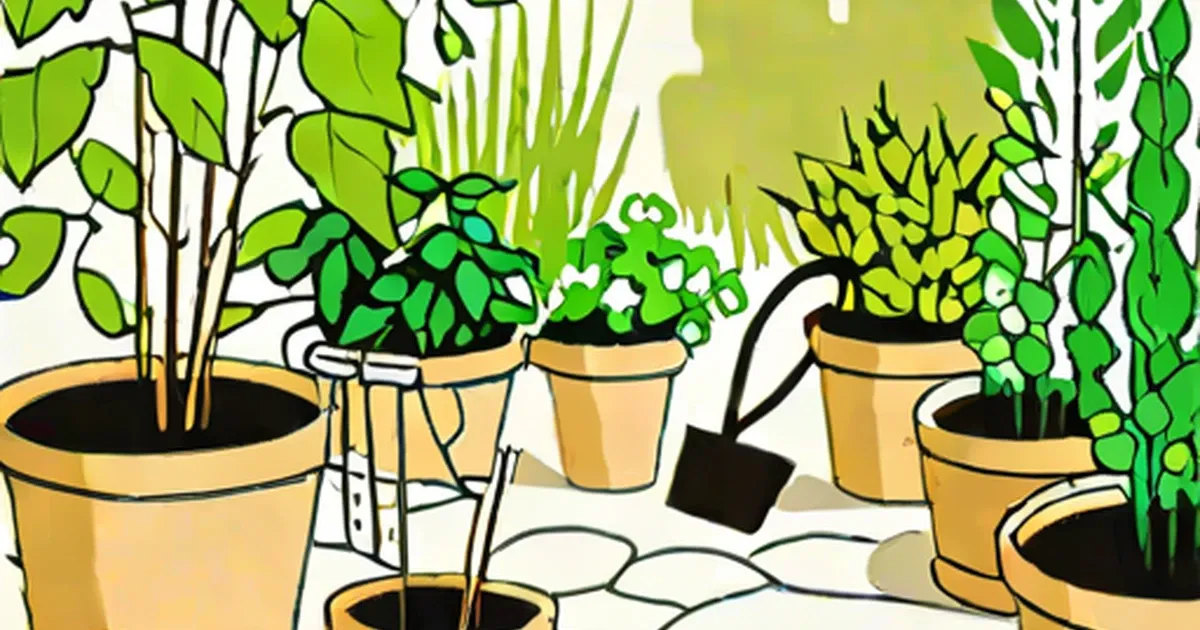
You will need sharp scissors or pruning shears, lopping shears and gloves for pruning a rhododendron plant. Disinfect the pruning shears by rubbing alcohol on it. Knowing the species of your rhododendron plant will help you decide the type of pruning it requires. Rhododendrons are pruned mainly for three reasons.
Pruning for Shape Enhancement
Pruning a rhododendron accentuates its appearance. If done at the base of the plant, it encourages the growth of a dense foliage. If you are thinking of shaping a rhododendron, it is best done in late winter, before the flowering season. Pruning also helps you to control the height and width of a rhododendron. However, you should be careful while pruning a large rhododendron plant, because it might need a different technique of pruning. Shaping broad-leaved rhododendrons is easier because they have longer internodes than the short-leaved ones. Snipping stems an inch above a leaf or a node encourages a denser and more compact growth in the following spring.
Pruning for Maintenance
Maintenance pruning is very easy and should be done every year in order to remove dead or diseased branches and spent flower clusters. Light pruning does not affect the flowering of the plant, if done in a careful manner. You can remove a diseased stem with a pruning shear, cutting just below the part that is affected. Snip off old flower clusters by cutting just above the new growths. You should remove the dead flowers from the plant in order to encourage new growth. However, do not snap the clusters with your fingers as it may impact the new buds. Broad leaved rhododendrons and azaleas benefit a lot from maintenance pruning.
Pruning for Rejuvenation
Rejuvenation pruning is best done in the winter months when the plant is in a dormant stage. By pruning large number of branches, you can restore a plant which has become unattractive. This will lead to a vigorous growth in the next season. However, it is better to prune above a cluster of three or four buds because it promotes the growth of multiple branches. Rejuvenation pruning can be done by cutting three or four branches at alternating levels, it produces a distributed growth when the shoots mature. A heavier pruning is required if your rhododendron is diseased. Cut one of the main branches back to 6 or 8 inches. If you observe new growth from the cut, you can safely prune the remaining branches in the following year.
These tips were all about how to prune a rhododendron plant. Pruning a rhododendron helps to maintain an attractive and compact shape. It also protects the plant from various diseases. In addition to pruning, you can mulch the rhododendron with a layer of pine needles and peat moss, which will ensure a healthy growth. Proper and timely pruning will make the rhododendron stand out as the most eye-catching shrub in your garden.

Use the feedback form below to submit your comments.

Use the form below to email this article to your friends.

- Pruning trees and shrubs to enhance garden views
- Pruning Butterfly Bush - How to Prune Butterfly Bush
- Growing and Pruning Raspberry
- Bottle Brush Tree
- Shrub Identification: Evergreen and Flowering Shrubs
- Caring for Rose Bushes
- Butterfly Bush
- Fertilizing Landscape Trees and Shrubs
- Flowering Bushes, Shrubs and Trees
- Life Cycle of a Flowering Plant
- Flowering tree
- Pruning Roses - How to Prune Rose Bushes
- Gardenia Care in Winter
- Gardenia Jasminoides Care
- Camellia Plant Facts
- Flowering Shrubs for Shade
- Burning Bush Pruning
- Ming Aralia Care
- Shrubs for Full Sun
- Deciduous Shrubs List
- Shrubs for Wet Areas
- Crape Myrtle Care
- Shrubs for Shaded Areas
- Shrubs for Privacy
- Shrubs for Shade
- Pruning Lilac Bushes - How to Prune Lilac Bushes
- Identifying Different Types of Evergreen Shrubs