Pansy Flowers
Pansy flowers are delicate, bright and strikingly beautiful flowers. Read on to know more about pansy flowers.
In fact, a flower is one the most precious miracles that God has ever created. It is Mother Nature’s wonderful gift to mankind. Life can’t be as beautiful as it is without flowers. Flowers are a part and parcel of life, since time immemorial. We have been using flowers for many reasons - in beautifying our surroundings, in expressing our sympathy and also as a source of food.
Pansy or pansy violets are one of the earliest spring blossoming plants. In warm regions, pansies flower in late winter and spring, whereas in cool regions, they flower in summer. They are biennials, but mostly planted as annuals. Pansy originally came from the French word pensie, which means, 'thought' or 'remembrance'. According to floriography (the practice of assigning symbolic meaning to flowers), 'pansy' stands for 'loving thoughts'. Pansy flowers have wide range of bright and brilliant colors. They also have light fragrance. They have three basic petal color patterns - first is single uniform color pattern, second is single color pattern with black line radiating from the center (the black line is called penciling) and the third pattern is flower with a dark center inside. Some people describe the dark inner region of pansy flowers, as 'faces'. Among the three patterns, the pansy flowers with faces, are most commonly grown. Pansy plants are mostly cultivated as garden flowers.
Growing Pansy Flowers
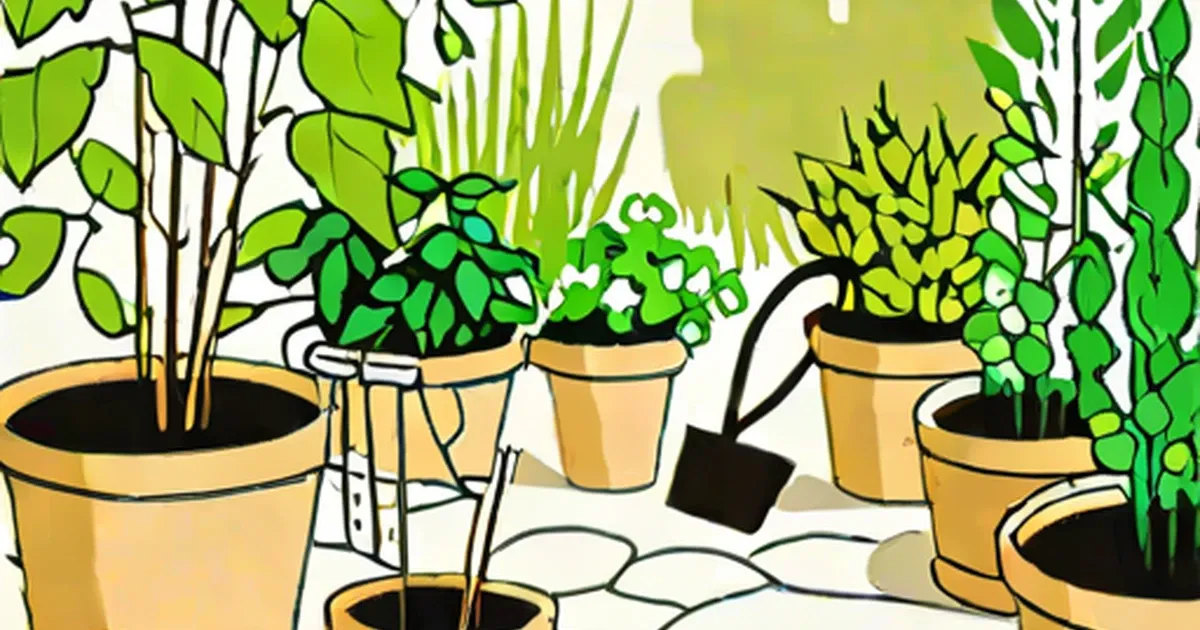
Besides their dazzling colors, the popularity of pansies is partly due to the fact that they are easy to grow. They are regarded as a 'plant for all seasons'. Pansies grow well in full sun or semi-shade, but can tolerate cool weather. They grow 6-10 inches high and spread up to 10-12 inches wide. Some of the tips for growing pansy plants are as follows:
- Pansies propagate by means of seeds. It is better to sow seeds in early season, so that the flower will bloom in time. After sowing seeds, cover the bed lightly with soil, so as to enhance seed germination.
- Thorough watering should be done once after sowing. Germination time varies according to the weather condition, but normally they germinate slowly.
- When the seedlings reach to a certain height, transplant them into your garden or in flowerpots according to your wish. After transplantation, care should be taken in order to protect the young plants from frost.
- Planting should be done with a gap of about 6 inches in between each plant. However, they will stand a little crowding.
- In order to create a good color contrast pattern, you can always choose mixed varieties. Flowering time differs according to the variety. Some species flower as early as nine weeks after sowing and some may flower within the first year.
Many of the florists are not aware about the edibility of pansies. Usually, they plant pansies for their garden value. People use pansies in flower arrangements, as wedding flowers and some of the silk varieties are used as bridal flowers. But the fact is that, in addition to these, pansy plants can be used for a variety of other purposes. Let's take a look at some of the uses of a pansy plant.
- Both the pansy leaves and flowers are edible and have a mild, minty taste. They are a rich source of vitamin A and C.
- Mostly, the leaves and flowers are used as garnishes in cakes, fruit salads, green salads, desserts and soups. Many people freeze the petals in ice cube trays and use in drinks.
- Pansy flowers are used to make syrup, honey and salad because of its strong flavor.
- Wide range of dyes are prepared from pansy flowers.
- It has been found out that pansy plants can be used for herbal medicinal purposes.
Pansies rarely have problems with diseases and pests. However, it is always better to buy healthy and resistant varieties. Diseases to watch out for include leaf spot, stem rot and mildew. Pests like aphids, snails and slugs can attack the pansy flower. One of the causes of diseases may be due to nutrient imbalance. If any of the diseases occur, the following care can be taken.
- If there are diseases such as leaf spot, stem rot or mildew, treat the plants with fungicide. You can also use a mild organic or chemical insecticide. For pests, use mild pest repellent. Also, remove and destroy the fallen, diseased leaves regularly.
- Water the plants regularly. Watering should be sufficient and uniform, otherwise it will attract diseases.
- It is recommended to water the soil deeply; watering should not be done in the plant leaves but should be done entirely in the soil.
- Try to avoid using chemical fertilizers, instead you can apply organic compost for better aeration and moisture conservation.

Use the feedback form below to submit your comments.

Use the form below to email this article to your friends.

- Different Types of Flowers
- Different Types of Exotic Flowers
- Different Types of Spring Flowers
- Hibiscus Flowers
- The Philippine Flower Industry
- The Role of Flowers in Our Life
- FLOWERS THAT BLOOM IN THE NIGHT
- Uses of Dried Lavender Flowers
- Sending Flowers Is a Great Way to Say You Care
- How to Take Care of Fresh Cut Flowers
- What You Need To Know For Long Lasting Flowers
- Holiday Flowers
- List of Flower Names
- Types of Flowers: Different Kinds of Flowers
- Passion flower
- Titum Arum - The Corpse Flower of Sumatra
- Flower Power Language Lives On
- Geneticists Say It With Fluorescent Flower
- Send Flowers to Your Beloved with the Aid of Online Florists
- Send Flowers Online to Spread the Era of Love
- Iris Flower Care
- Perennial Purple Flowers
- Perennial Flower Identification
- Types of Tropical Flowers
- Amapola - The Poppy Flower
- Growing Hibiscus: Caring for Hibiscus Plants
- Amaryllis Bulbs: Growing Instructions and Care
- Study of Sampaguita Flower
- Flower Anatomy: Different Parts of a Flower
- Facts about Tulips