Pampas Grass Maintenance

Pampas, a native to South America is a large clump of grass and is perennial in nature. It is widely used in landscaping designs with a lot of care and thought, as it can be invasive. Through this article, know all about this beautiful grass and most importantly also about pampas grass maintenance.
An ornamental grass, Pampas is also known as Cortaderia selloana. Pampas grass plants grow in large clumps and achieve the height anywhere between eight to ten feet. Being ornamental, the flowers that are borne on this evergreen grass are white, pink, rose or purple in color. The flowers are like plumes, plumes resemble feathers in texture, shape and lightness. Some dwarf varieties have also been introduced to suit specific landscaping requirements. Male and female pampas grass differ slightly in their plume bearing abilities. Male plumes are thin and narrow, as they lack tiny hair that form the flowers, whereas females have very fine silk hair on their plumes, that gives them a long, thick and a very elegant appearance.

Pampas Grass Pictures


Pampas Grass Care

Pampas Grass Seeds
Pampas grass propagation is either done through seeds or clump division. Although, it does germinate from seeds, newer varieties, specially colored ones will not come true from seeds. So, make sure you purchase high quality seeds. Another common way to propagate is the to divide the clumps. Division is done in early spring, so the plant gets enough light and water to root itself.

Soil and Light
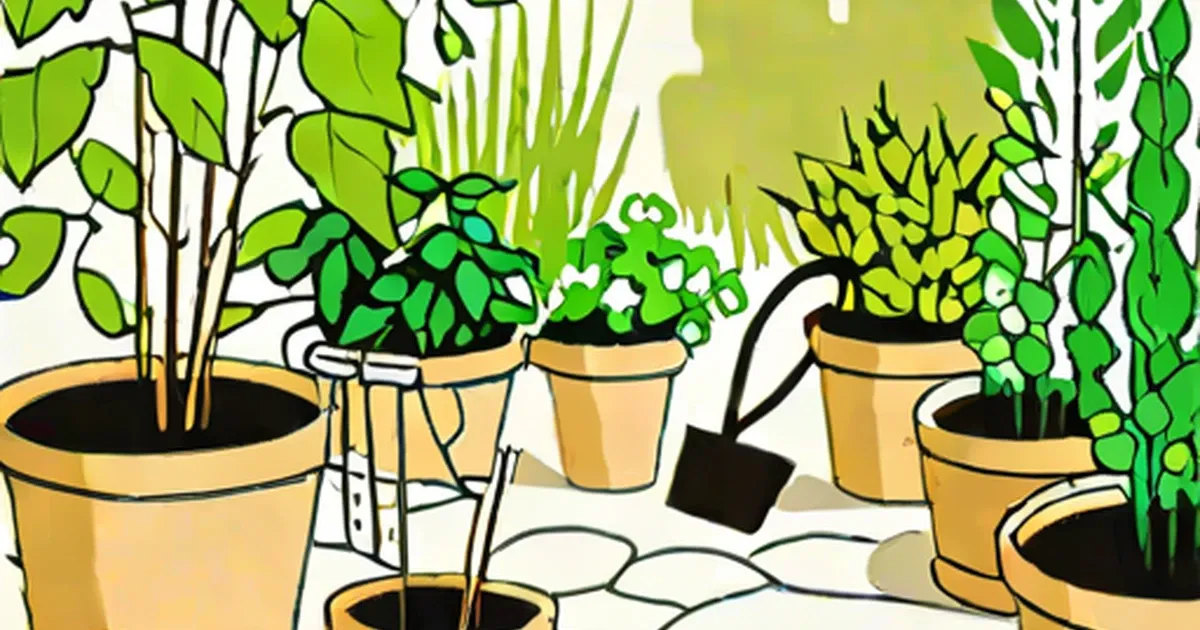
This grass is like any other grass, hence, has little requirements in order to grow well. Full sun and well drained soil is enough to get this grass to turn itself into a beauty. Clay or heavy soil should be mulched frequently during the fall and winter rainy season. It is even capable of tolerating excess water or a slightly chilly weather, however, to get its plumes to bloom well, sun is essential. They are not shade plants. As the grass spreads wide and is quite tall, it needs space to grow. So, while deciding on a place to plant pampas grass, make sure you give each clump a minimum 5 feet or more gap. Corners and borders are best place to grow them.

Fertilizing Pampas Grass
Prepare the pampas grass planting soil by preparing it with part compost, part peat moss or processed manure, part sand and soil. The hole to plant the clumps should be about 12 to 18 inches deep and about 15 to 18 inches wide, and for seedlings just 5 to 7 inches deep. Width can be maintained as the grass will grow and spread itself. Grass grown in container may not bear plumes for the first two or three years, but that is normal. It prefers liquid fertilization, mostly a combination of nitrogen, phosphorous and potassium, such as 6-6-6 or 8-8-8. Pour the fertilizer away from the clumps. If one is using fertilizer in the form of granules, scatter all around the grass and water it well. Avoid excess fertilizing, as it will damage its flower bearing capacity and may burn the clumps. Fertilizing quarterly is more than enough.

Pampas Grass Pruning
Pampas grass pruning is more or less taken care by the grass natural growth process. Most leaves will fade away due to freezing temperature, so one just needs to cut them back. But, for place where the winters are mild, a hard pruning before spring will do the needful. A word of caution, wear gloves, glasses and cover yourself well before pruning. The blades of the grass are very sharp and capable of cutting through the skin, and the fine hair can get in the eyes and irritate them. Pampas grass allergies are caused due to the pollen, as well as lower-level chemicals, that are usually held safely in the grass stalks. Prune old grass stalks, that have either gone diseased or brown, or are way out of shape. All pruning must be done before the new growth of the green ornamental grass leaves start to sprout in the spring. Some people lightly burn the crown top with a newspaper after pruning, to facilitate the production of new growth.

Pampas Grass Removal
Although, it gives a startling effect to any landscape design, an overgrowth or out of control pampas growth will become invasive. To remove pampas grass, one requires to wear protective clothing and some gardening tools. Using a powered hedge trimmer or cutter, cut out the most stalks from the base. Once the stalks are gone, start digging around the clumps and roots. Start to dig, prune and chip away at the clumps and roots steadily. Keep digging deeper as well. A well established pampas grass may require professional help. The clumps are difficult to remove at once, so one needs to chip into it. Once the clumps and roots have been removed, collect them all in a bag along with leaves, stalks, plumes and flowers, and discard them. Read more : There are, in all 24 species native to South America and four indigenous ones to New Zealand. Pampas grass maintenance and care is minimal, so everyone who wants to enjoy this tall willowy grass, can do it without much worry!

By Loveleena Rajeev
Published: 10/23/2009
 
Use the feedback form below to submit your comments.
Your Comments:
Your Name:
Use the form below to email this article to your friends.
Recipient Email Address:
 Separate multiple email addresses by ;
Your Name:
Your Email Address: