Organic Foods
The advantages of organic food and their health benefits have made organic foods popular in recent years.Organic foods are a viable alternative to the unhealthy fare we are accustomed to in the 21st century. It is an unfortunate fact that the human body accumulates debris on the walk of metabolic life. Various contaminants find themselves into our systems via the food we eat, the water we drink, the air we breathe – and not least of all via our lifestyles. The symptoms of poisoning usually pass for stress, general sickliness and fatigue. However, they have organic origins. We can reverse such poisoning by switching from junk foods to organic foods. It is possible to rid the body of a large amount of contaminants by eating organic foods. We first learn to choose healthy foods when we learn how our present ‘junk’ diets destroy our health. We have lost out in this respect because of our hurried lifestyles. Apart from the fact that they are instantly available, we choose fast foods because they zap our palates. Unfortunately, the tasty ingredients are often very harmful to our bodies. They are loaded with calories and often have very little nutrients. To top it off, they contain hazardous additives. These additives include pesticides, artificial fertilizers or sewage sludge and food additives consisting of genetically modified organisms.
Organic food must qualify as such by adhering to certain quality standards. Such standards differ from country to country. For example, in the United States, foods qualify as organic if they meet NOP Program Standards. In Australia, they must conform to NASAA Organic Standards and the UK has Organic Farmers and Growers Organic Standards.
Those who choose organic foods have a high level of awareness of what our body requires, and of what harms it. Our diets must have nutritional balance so that we get our daily dose of vitamins, minerals, proteins and other necessary elements. Organic foods literally eliminate harmful hydrogenated fats, cholesterol, refined sugars, refined flours, milled grains, artificial sweeteners and artificial food colors/flavorings. They are prepared in a healthy way, using processes that do not affect us adversely.
At one time, organic food consisted solely of fresh produce bought directly from organic farms. However, the definition has broadened in the current context and now includes both fresh and processed foods. Organic food is not limited to vegetables and includes organic meat, eggs and dairy products.
Organic certification is applicable to any manufacturer or establishment that meets the required standards of growing, storage, processing, packaging and presentation. Therefore, concerned authorities award organic food certification not only to seed suppliers and farmers but also to food processors, retailers and restaurants. The basic criteria are that the food or processes involved should not involve synthetic chemical inputs such as fertilizer, pesticides, antibiotics and food additives. They should come from farmlands that have not used chemicals for a specified number of years, and there should be a verifiable record of production and sales records.
An organic food producer or any establishment dealing with such products is required to maintain uncompromising physical separation of organic products from non-certified products and is subject to periodic on-site inspections. Additionally, the requirements on non-certified producers in terms of agricultural, food safety and other government regulations also apply in the case of organic food producers.
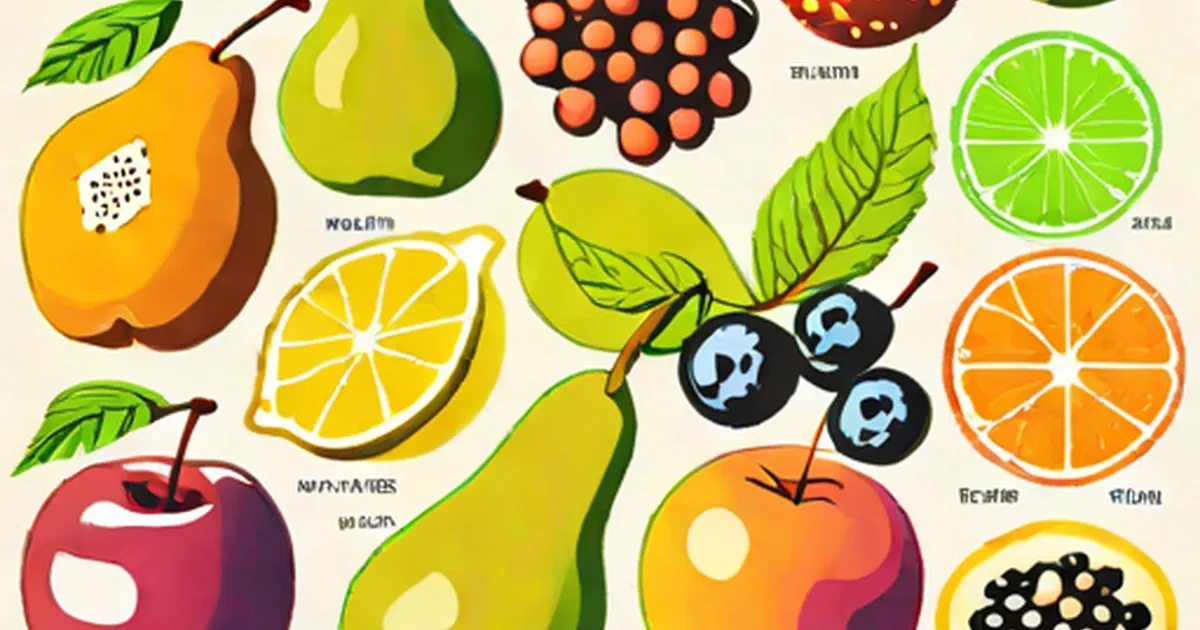
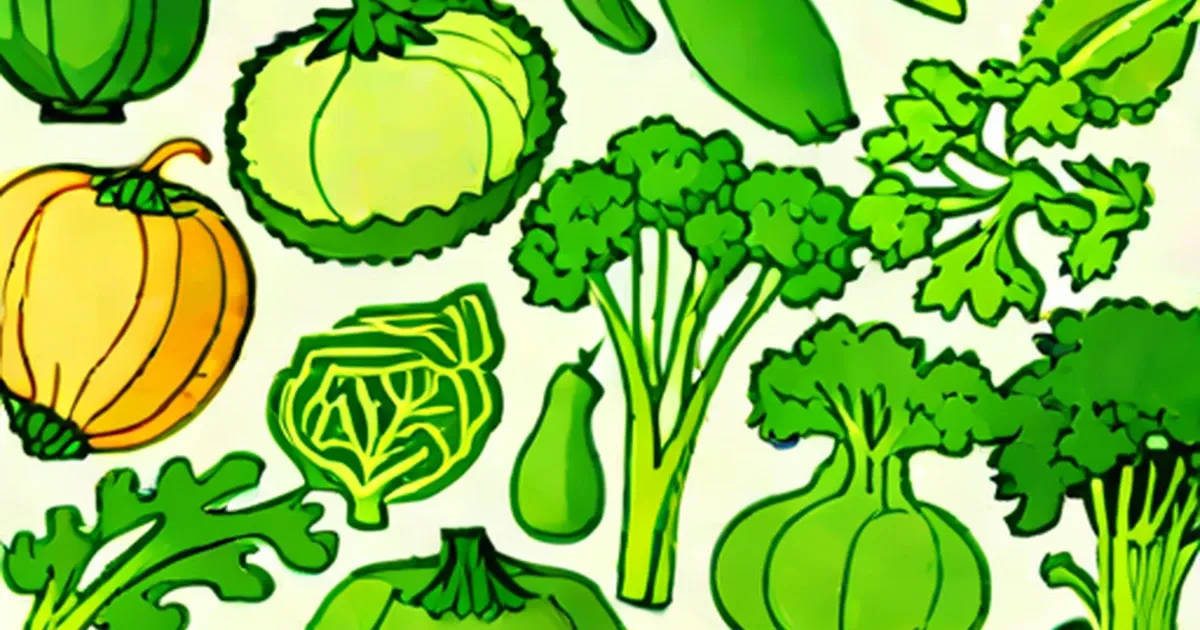
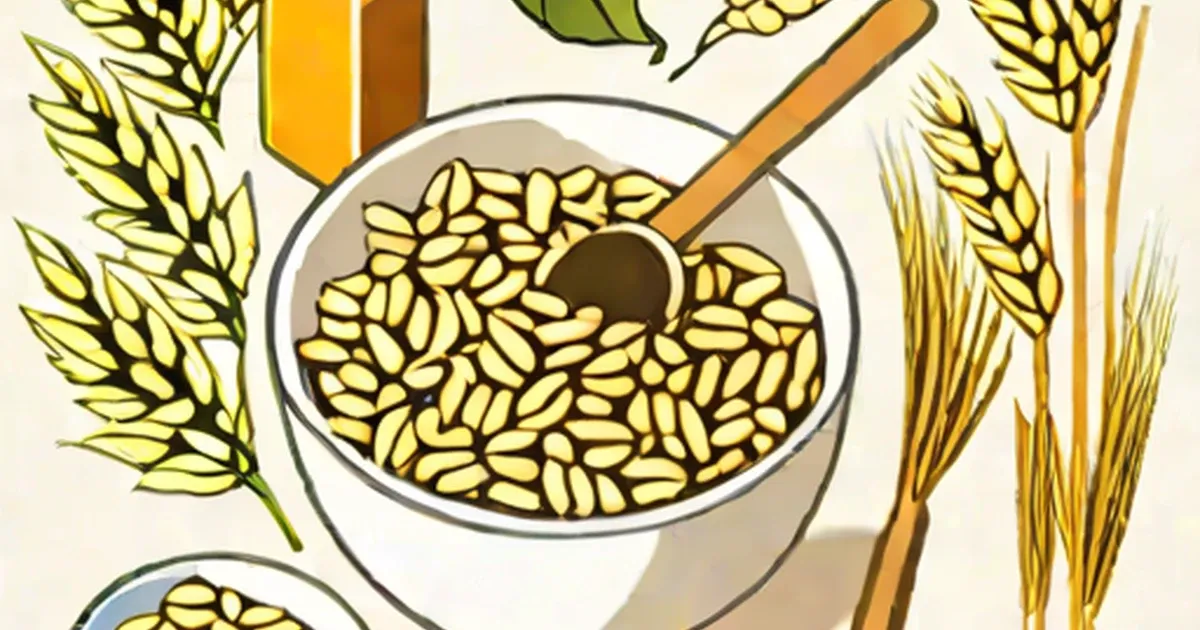
By eating organic foods, we improve our chances of living longer, healthier and more productive lives. Health foods include green vegetables, fruits, whole grain wheat and seafood like salmon. We must allow a professional nutritionist to plan our health food regimen. Establishing a correct nutritional balance is very important for overall health.
Organic food must qualify as such by adhering to certain quality standards. Such standards differ from country to country. For example, in the United States, foods qualify as organic if they meet NOP Program Standards. In Australia, they must conform to NASAA Organic Standards and the UK has Organic Farmers and Growers Organic Standards.
Those who choose organic foods have a high level of awareness of what our body requires, and of what harms it. Our diets must have nutritional balance so that we get our daily dose of vitamins, minerals, proteins and other necessary elements. Organic foods literally eliminate harmful hydrogenated fats, cholesterol, refined sugars, refined flours, milled grains, artificial sweeteners and artificial food colors/flavorings. They are prepared in a healthy way, using processes that do not affect us adversely.
At one time, organic food consisted solely of fresh produce bought directly from organic farms. However, the definition has broadened in the current context and now includes both fresh and processed foods. Organic food is not limited to vegetables and includes organic meat, eggs and dairy products.
Organic certification is applicable to any manufacturer or establishment that meets the required standards of growing, storage, processing, packaging and presentation. Therefore, concerned authorities award organic food certification not only to seed suppliers and farmers but also to food processors, retailers and restaurants. The basic criteria are that the food or processes involved should not involve synthetic chemical inputs such as fertilizer, pesticides, antibiotics and food additives. They should come from farmlands that have not used chemicals for a specified number of years, and there should be a verifiable record of production and sales records.
An organic food producer or any establishment dealing with such products is required to maintain uncompromising physical separation of organic products from non-certified products and is subject to periodic on-site inspections. Additionally, the requirements on non-certified producers in terms of agricultural, food safety and other government regulations also apply in the case of organic food producers.
By eating organic foods, we improve our chances of living longer, healthier and more productive lives. Health foods include green vegetables, fruits, whole grain wheat and seafood like salmon. We must allow a professional nutritionist to plan our health food regimen. Establishing a correct nutritional balance is very important for overall health.
- Benefits of Organic Meat
It is said that the organic meat is better than the regular meat we usually consume. What are the reasons that support this claim and what are the benefits of the same? These, and certain other issues will be covered in the following article. - Organic Fruits and Vegetables
As people are becoming more aware of eating healthy food, there is a growing interest in organic fruits and vegetables. To know what exactly is organic produce and the health benefits of eating organic food, read this article. - Organic Maltodextrin
Maltodextrin is a commonly used food additive. Organic maltodextrin is the purest form of maltodextrin, which is incurred from organic products. - Organic Milk Brands
Organic milk brands are from those companies who strive to produce the most healthy, and chemical-free milk when it comes to mass distribution and consumption. Learn why switching to this kind of milk will prove to be worth every penny. - Organic Chicken
What is organic chicken? How is it raised? Is organic chicken nutrition superior to that of conventionally-raised chicken? To get your answers for these queries, keep reading. - Why Eat Organic Food
All things in the universe come a full circle. Lately, it appears humanity has had enough of synthetics, at least where the science of food production is concerned, and the popularity of organic foods is gradually taking over. But, why eat organic food? What good would it do to us? Let's find out! - Is Organic Food Better for You
Ever wondered about the fact 'is organic food better for you?' The following article will try to get to the root of that and get you the answers. - Organic Almond Oil
Organic almond oil is one of the most commonly used oils for extensive skin care, for babies and adults. Let us discuss the characteristics, uses and benefits of this oil. - Organic Almond Butter
Organic almond butter combines all the taste of almond butter with the various organic health benefits. Keep reading to know about its benefits, and how to choose the right product. - What is Organic Food
Organic food products are slowly replacing their conventional counterparts in our daily diet, and their benefits have a crucial role to play in it. Are these foods really as healthy as they are pitched to be? Read on... - Organic Almond Milk
The benefits of organic almond milk consumption make it a very valued component of any diet. A perfect substitute for regular milk, almond milk is not only healthy, but also easy to make. Here's how... - Organic Vitamin Supplements
Organic vitamin supplements are far better than the synthetic vitamin supplements we take. Keep reading to learn the benefits of organic vitamins over synthetic ones. - Organic Coconut Milk
Organic coconut milk is a perfect blend of the benefits of coconut and organic food. This combination makes it more beneficial for health as well as beauty care. Let us find out more... - Organic Food Recipes
Are you thinking about learning some organic food recipes? If you are worrying about the health of your loved ones and yourself, then it will prove to be really helpful. These are nutritious and healthy foods that help give the much-needed strength to fight off many illnesses. In the following article, you will learn a few recipes. - Organic Food Benefits
Studies suggest that people consuming organic foods are less susceptible to viral infections and other diseases. - Organic Milk Shelf Life
Why organic milk lasts longer than regular milk? What is its shelf life? What are the benefits of consuming and using organic milk? Well, read on the following article to find out the answers to all the above questions. - Organic Food Vs. Non Organic Food
The debate about organic food vs non organic food has been under scrutiny for a while now and it still remains unresolved for the large part. This article will help you know more about both varieties, so that you can decide which side you would take, in this deliberation about organic foods vs non organic foods. - Organic Milk Benefits
Organic milk is highly beneficial for the body as it has loads of omega 3 fatty acids, antioxidants and several important vitamins as compared to the conventional milk. - Organic Milk Vs Regular Milk
What is the difference between organic milk and regular milk? Is organic milk better than regular milk? This article provides information when comparing organic milk vs regular milk. - Organic Food: Not Just for Hippies and Yuppies Anymore
Organic food is not only good for you; it's also good to you. And it keeps the soil healthy, too.