History of Olmec Civilization
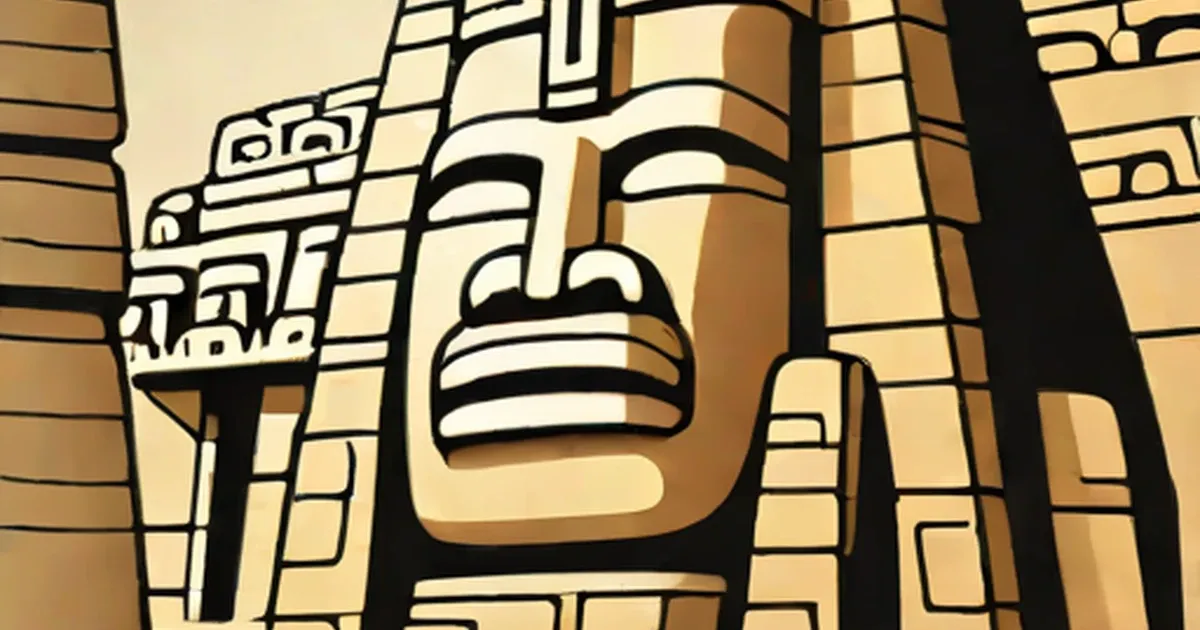
Who were the Olmecs? Little is known of them, but they are believed to have been the first civilization to have a written language, cultivated and utilized the cacao tree, and were generally the forerunners of subsequent inhabitants of Mexico.
The first relatively modern awakening to the existence of the Olmecs came in 1862, when plantation workers came upon what they thought was a large, buried iron kettle. Driven by thoughts of buried treasure, they excavated instead a huge carved stone head — the first Olmec sculpture to be discovered in Mexico.
Olmec Origins
The Olmec civilization is believed to be the first true civilization in Mesoamerica (the area now covering Mexico and Central America). They preceded the Maya and are thought to be the foundation of all subsequent cultures in that part of the Americas, though there is evidence of humans in the region going back to 20,000 B.C. Dates are always debated, but the Olmecs are believed to have originated around 1250–1500 B.C., first settling at San Lorenzo, and to have declined around 400 B.C. Features they shared with later civilizations include following a 365-day year, building pyramids, cultivating corn, and worshipping similar gods of fertility, war, sky and nature. Regarding the thick-lipped features of their carvings, some researchers postulate that the Olmecs originally came from Africa, noting that their language resembles one spoken today in Mali and that the facial scarring and lines on Olmec statues resemble tribal marks among the Yoruba peoples of West Africa.
Olmec Lands
Their range of influence extended from the Tuxtlas Mountains in the west to Contalpa in the eastern Mexican lowlands, around the Gulf of Mexico. The three largest Olmec cities were:
- La Venta in Tabasco — situated on an island in the Tonala river, it dominated the rich coastal estuaries and became the main trading center for cocoa, rubber and salt.
- San Lorenzo Tenochtitlan in Veracruz — the political and religious center of the civilization, controlling the flood plains of the Coatzacoalco basin and its river trade routes. The first drainage system in Mesoamerica was found there, built of channeled stone blocks set into the earth and covered with slabs; the region is famous for the colossal basalt heads weighing 20–40 tons each.
- Laguna de los Cerros in Veracruz — controlled the important basalt mines needed for making metates (grinding stones) and monuments.
Olmec Art and Culture
The Olmecs held art in high regard: cave paintings, huge stone sculptures, and jade artifacts and statues have all been found. Typical Olmec art featured jaguars, thick-lipped, square-jawed warriors wearing helmets with ear flaps, and goatee-bearded men, often combining jaguar and human-child features. They imported jade and magnetite from distant regions to make jewelry, pottery and statues, and to decorate the facades of public buildings. Some of the colossal carved heads have been found up to 100 km from the source of the stone, and researchers still wonder how such massive pieces were transported — most likely floated on barges down the extensive network of rivers. Rubber was first exploited by the Olmecs, and carvings show ball games in which the ball could be deflected off elbows, hips, knees and head, but not the hands. Initially hunter-gatherers in the swampy tropical heartland, they later spread to outlying areas and developed agriculture and distinct political and economic hierarchies as commerce grew.
They are also credited with a remarkable list of firsts: they may have invented a system of hieroglyphic (pictorial) writing around 1000 BC, introduced the concept of zero and a functioning calendar based on scientific calculations, and were the first to practice bloodletting for therapeutic purposes. Five hundred years before their golden era, their ancestors had already built stone monuments, elaborate tombs and stepped earthen pyramids (unlike the Egyptian pyramids, which have no steps). Ample food from corn farming helped the civilization grow, and priests were considered the heads of society, leading elaborate rituals to please the gods.
Religion
Olmec religion centered on worship of the jaguar and of "were-jaguars" — children with jaguar features — though snake worship was also popular. They believed the jaguar was closely associated with a person's spirit, so that if the jaguar died, the person would too. As with all early religions, the ruling elite needed the people to believe they were gods or associated with them (the gods of fire, water, earth and sun being the popular deities). Their religion, symbolic language and architecture proved strong enough to influence the Zapotecs, Teotihuacans and Maya, until the Spanish conquest of Hernán Cortés and the Catholic Church swept away the old gods.
The prosperous years of the Olmecs laid a strong foundation for the Mayan civilization and the Zapotec culture. Surprisingly peaceful, their style of government, their religious and artistic philosophies and their scientific outlook toward agriculture and trade made them one of the most outstanding and influential civilizations in the history of the world.