Oak Tree Leaf Identification

Oak tree leaf identification can be a very interesting hobby. The easiest way to identify an oak tree is to wait for fall to arrive. Come fall and the oak tree foliage lights up the landscape with its brightly colored leaves. To know more about oak tree leaf identification, read on...
The oak tree is amongst the most commonly seen trees and can be found in North America and Europe to tropical regions of Asia. Though it is considered as hardwood, according to botanists, in actuality it is softer than most hardwoods. The oak tree has around 450 species, each of them having unique features. The leaf of the oak tree is considered a symbol of strength, honor, endurance and liberty since time immemorial. The Druids believed that the oak tree leaf had strong healing powers. The Celts considered the oak leaf as a powerful symbol. During Roman times, victorious commanders were awarded oak leaf laurels. The oak leaf, in present times, is a symbol of rank and regalia in the US as well as German armed forces. Before going over the oak tree leaf identification, it would be useful to quickly go over some information about the oak tree.

Oak Species Identification

The oak tree is classified in the genus Quercus, a Latin word meaning 'oak tree'. It belongs to the beech family (Fagaceae). Other than evergreen and deciduous oak trees, the species also includes smaller plants or oak shrubs. Hybrids, intermediates of two oak tree species, generally take the latter form. The oak tree has many hybrids which can make oak species identification a tough job. The deciduous species of the oak tree are seen in the colder latitudes, while those with evergreen leaves are seen to the south.

How to Identify an Oak Tree Leaf?

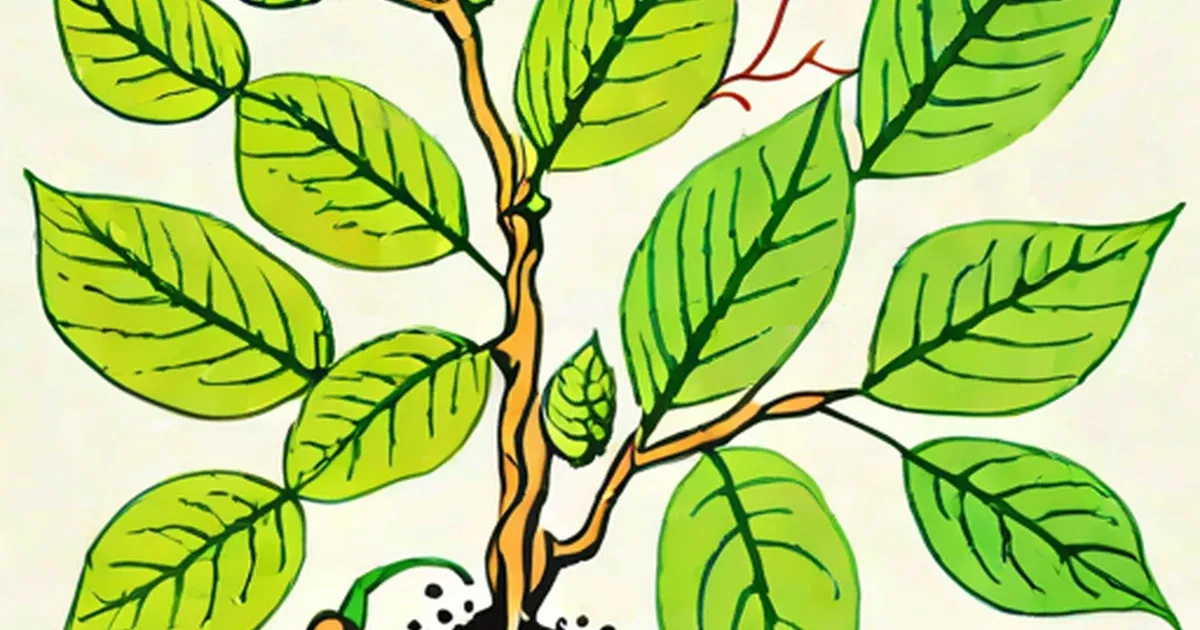
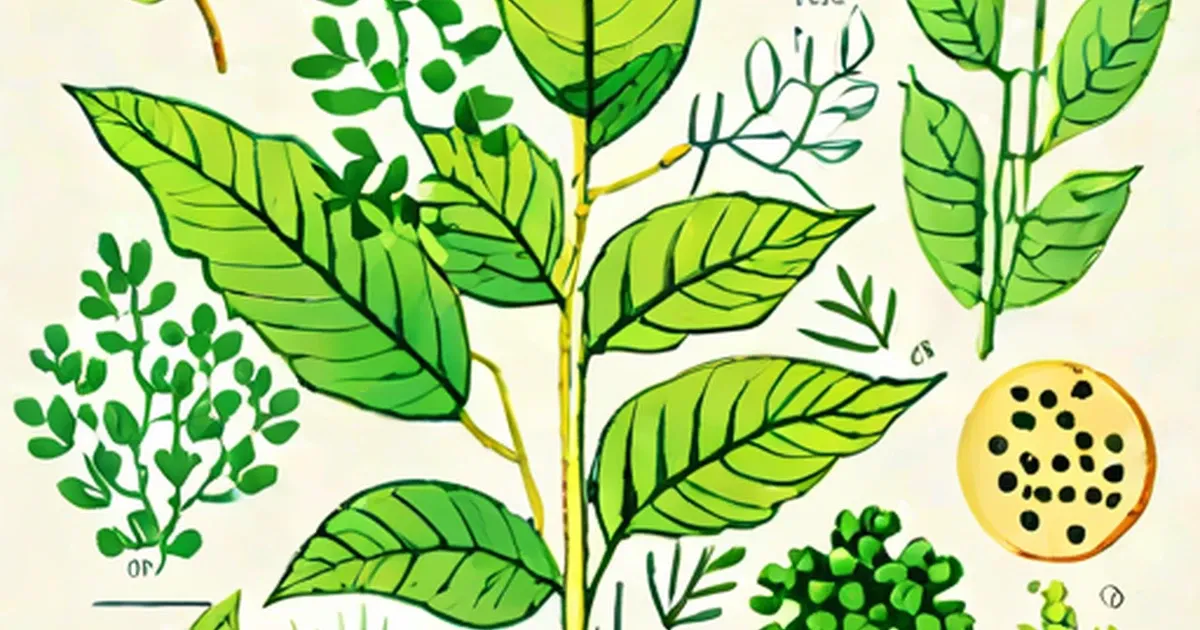
The oak tree leaf is broad, thin and flat and is called a broadleaf. The oak tree leaf shape may be ovate, obovate and sometimes, elliptic. Oak tree leaves may be deeply pinnatifid like seen in Canada. The characteristic features in an oak leaf are its lobes and sinuses (space between the lobes). The lobes may be from 5 up to 20 in a leaf. The oak tree leaf may have a lobed margin, or a smooth margin in the entire leaf. Some oak tree leaves are serrated or toothed with smooth margin. The leaves are green often leathery on top and pale underneath. Some oak tree leaves have tufts of hair near the veins on the underside. The oak tree leaves are arranged in a spiral manner, and may also be seen as bunches attached by short leaf stalk or petiole in some oak tree species. The leaves change color in fall taking on a bright gold or scarlet or russet hue. The leaves shed annually, during fall.

Oak Tree Leaves Identification

It's not possible to list the characteristics of all types of oak tree leaves, but now that you generally know how the oak tree leaf looks, the following descriptions may make the oak tree leaf identification a less arduous task. So if you know there's an oak tree in your neighborhood, you can identify its name from the following tips.

Algerian Oak Leaf: These green, semi-glossy leaves have rounded lobes. A unique feature of this leaf is a dusty-white mark where the leaf joins the stem. This species is seen a lot in North Africa.

Black Oak Leaf: The leaves are of ovate or obovate shape. The shade leaves have superficial areas between the lobes, while the sun leaves have deep ones. The leaves are shiny green on the above, and pale with hair below.

Bur Oak Leaf: The bur oak leaves are roughly obovate in shape, and have many lobes. The two sinuses in the center divide the bur oak leaf almost in half. The lobes at the leaf's tip looks like a crown. The leaf is green above and pale, fuzzy underneath.

Canyon Live Oak Leaf: The lobes of these leaves are typically sharp tipped, and have bristles at the lobe tip.

Caucasian Oak Leaf: A rarely seen oak tree, its 15 cm long and 5 cm broad leaves are semi-glossy green.

Cherrybark Oak Leaf: This oak leaf has a V-shaped base, lobes that appear of uniform shape and its tips are short, broad and without curves.

Coast live Oak Leaf: The leaves are glossy green and unlike the traditional oak leaf in shape. These 5cm long and 3cm broad leaves have thin-toothed edges that become sharper as they age.

Common Oak Leaf: The top of the leaf is dull green, while the other side is brighter in color. The leaves grow up to 10 cm in size and most of the time, do not have stems and grow in bunches. This leaf has 4-5 lobes that are rounded and of equal size. The common oak tree is found in many countries all over the world.

Cork Oak Leaf: The ovate to elliptical cork oak leaves have wavy teeth, cupped surface and round lobes. The leaves are leathery, dark green on top and are whitened below.

Holm Oak Leaf: The holm oak's evergreen leaves can grow up to 7.5 cm long and 2.5 cm broad, but older leaves may be larger. The leaves are of two types, viz. the higher ones have smooth edges, while the lower ones are spiny. The leaves turn glossy green as they age.

Hungarian Oak Leaf: This deciduous broadleaf is dark green and boldly cut having regular lobes. The semi-glossy green leaves are large, pointed at the apex and long (up to 12 cm) with lobes that are rounded.

Japanese Blue Oak Leaf: The new leaves have a crimson tint that turns glossy green as they age. This oak tree is also known as ring cup oak.

Laurel Oak Leaf: The 7-15 cm long, ovate leaves do not sport the lobes of the traditional oak leaf. Birds and squirrels use its leaves to build their nest. This oak tree is also known as shingle oak.

Live Oak leaf: These simple leaves are narrow to elliptical in shape and 5-12 cm long and approx. 2.5-5 cm broad. The leathery leaf is a shiny, darkened green hue above, and a dull gray-green underneath. The base of the leaf tapers, while the tip is pointed and short to round. The leaf's margin is smooth and slightly wavy.

Northern Pin Oak Leaf: The leaves of this ornamental oak (not to be mistaken with pin oak) are up to 13 cm long and narrow. Each leaf has 2-5 deep lobes, angled ends and long stem. The glossy green color of the leaves changes to deep red in fall.

Northern Red Oak Leaf: The leaves of the red oak are 12-25 cm long, have red colored mid-veins and reddish-brown veins. Its 7-11 lobes taper in long bristle tipped teeth. The new leaf and stalk have a pink hue. The leaf then acquires a green color, turning yellow-green and then a rich red or brown in autumn.

Nuttall Oak Leaf: The leaves of this North American oak turn a deep red color from a dull green in fall. The leaves have a traditional oak look, except for its lobes which are more angular. The new, lighter colored leaves have red veins.

Pin Oak Leaf: The leaves are simple, alternate and 7-15 cm long. Its 5-9 bristle-tipped lobes have deep sinuses that extend almost to the midrib. The leaves have U-shaped sinuses and may vary in size even on the same tree. Some of the broadly elliptical leaves may have shallow sinuses and wide single-bristled lobes, while others may have deep sinuses and lobes and many bristle-tipped teeth. The leaves are bright green above and pale below with tufts. The fall colors range from brown to russet-brown and sometimes, red and crimson.

Post Oak Leaf: The alternate, simple leaves are oblong with 5 lobes. The two middle lobes of these leaves look distinctly square. The post oak leaves have thick texture, are green above and paler below.

Pyrenean Oak Leaf: The semi-glossy leaves have traditional oak tree lobes. The leaves are generally about 20 cm long and 10 cm broad.

Red Oak Leaf: These leaves are angular to rounded at the base and angular at the top of the lobe and have small spines.

Scarlet Oak Leaf: The leaves of the scarlet oak turn red in October. The leaf form also varies, with many varieties having a thinner and more angular appearance. This oak tree is found in most gardens world over, and is also seen in north-eastern US.

Sessile Oak Leaf: Its leaves can be distinguished from those of the common oak because they are held on long stems.

Shumard Oak Leaf: The leaves are alternately arranged with 5-7 rounded lobes having bristled tips. They are smooth, dark green on top and pale underneath, with brown, waxy hair.

Southern Red Oak Leaf: The deciduous leaves are simple and alternately arranged. The leaves are usually deeply lobed, with 3 to 5 bristle-tipped lobes. Its upright middle lobe is flanked by narrow, long, sickle-shaped outer lobes. The base of the leaf forms a reversed-bell shape. The dark green leaves have smooth upper surface, and yellowish hair on the undersides.

Swamp Chestnut Oak Leaf: The leaves are simple, 10-28 cm long and 5-18 cm broad, with 15-20 lobe-like, rounded simple teeth on each side.

Turkey Oak Leaf: The 6-13 cm long leaves have sharp tips with bristles at its lobe. The leaves are deeply lobed and generally narrower than most other oak tree leaves. They are glossy green on the top and grow alternately on short twigs.

Water Oak Leaf: The deciduous leaves are alternate, and 3-12 cm long and 2-6 cm broad. Its shape is variable. It is commonly shaped like a broad spatula, rounded at top and narrow and wedged at the base. The margins are smooth to shallowly lobed, with the apex and lobe tips ending in a bristle. Unlike other oak trees, the lobes look like drops of water dangling from the end of the leaves. With a dull green to bluish-green top and a paler bluish-green bottom, these leaves sport rusty colored hair along its veins.

White Oak Leaf: These leaves are rounded towards the bottom of the sinuses and at the top of the lobe. The leaves have no spines, are darker green on top and lighter green on the underside. The leaves have 7 to 9 finger-like lobes.

Willow Oak Leaf: The leaves of the willow oak are spear-shaped, small and slender, over 12 cm long and 2.5 cm broad. The leaves are light green to yellow-brown in color and turn pale yellow in fall. The waxy leaves have tiny bristles at its tip.

It's easy to mistake a maple tree leaf for an oak tree leaf because both have lobes and sinuses. An easy way to get over this problem is to check whether the lobes and sinuses are symmetrical or alternate on either side of the leaf. If it is the former, then you have a maple leaf, while in the latter case, you have an oak leaf in your hand. The oak leaf can also be recognized by its size, as it is usually longer than it is wide. Hope the above information on oak tree leaf identification has been interesting to read and will instill in you an enthusiasm to take it up as a scrapbooking or a science project.
By
Last Updated: 9/21/2011
Like This Article?
Follow:
Post Comment | View Comments
Your Comments:
Your Name: