Mexican War of Independence
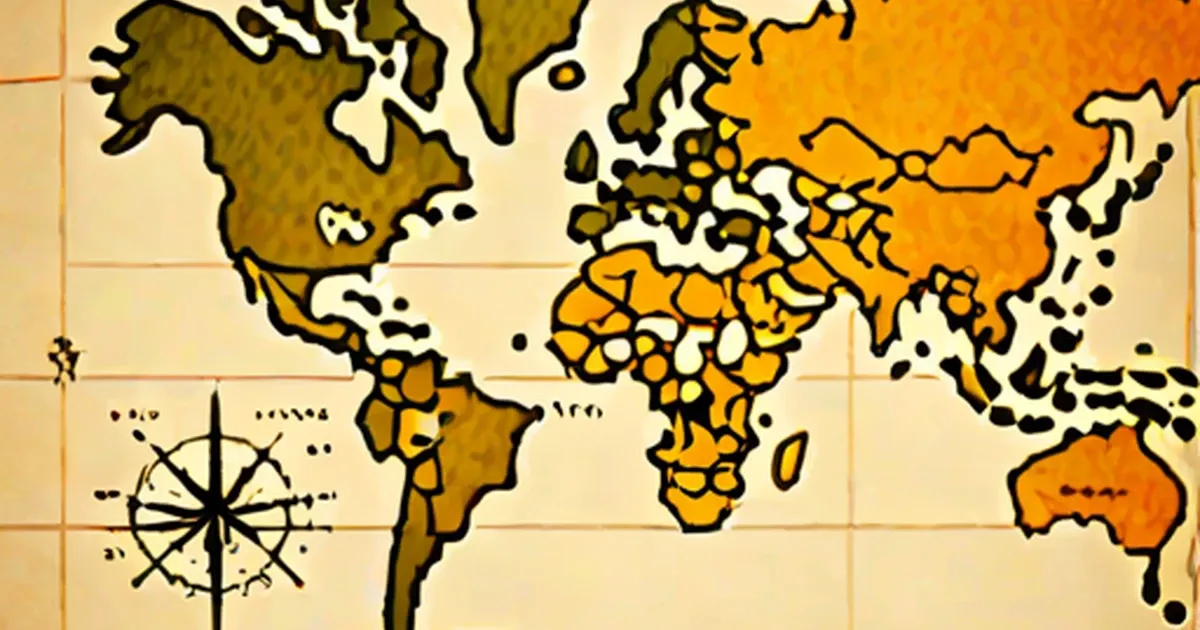
Mexico, situated in Northern America, was ruled by Spain for almost three centuries. Know more about this war that led them to their independence...
The Spanish colonizers not only exploited the resources of Mexico, but also its people. The natives were forced to become slaves and carry out labor work. Innumerable new diseases were brought into Mexico by the Spanish explorers. This led to the decrease in the native population and Afro-Americans were brought in for labor work.
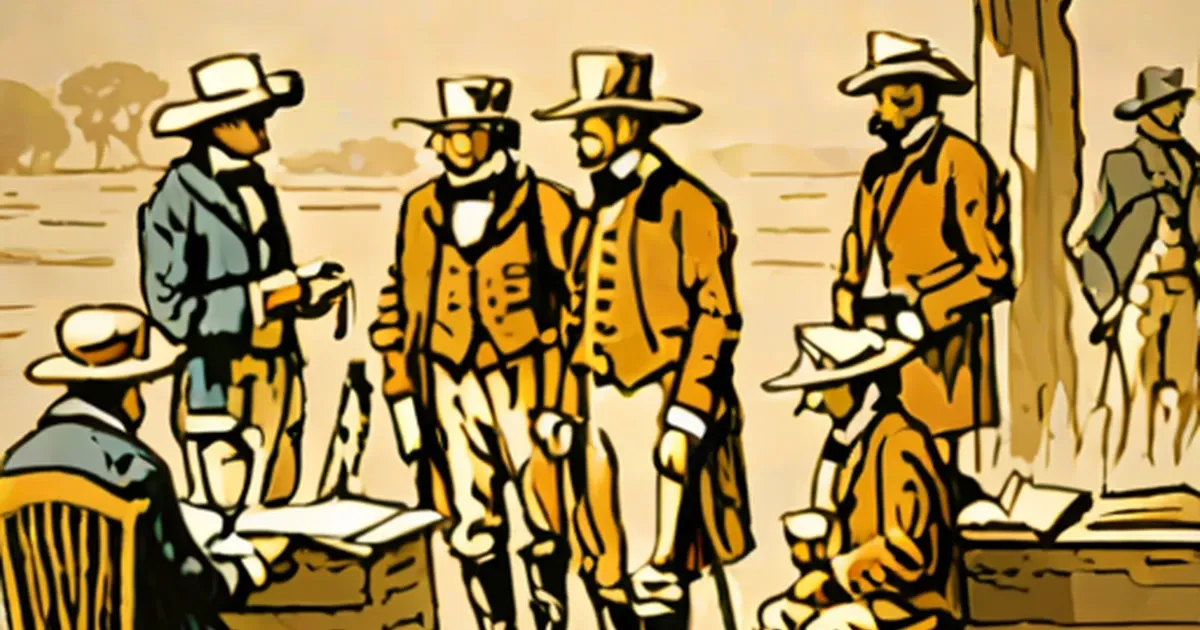
One of the main reasons for the Mexican War of Independence was the prevalent social stratification. The Spanish colony in Mexico was a class-conscious society. At the top of the hierarchy were the Spaniards, people who were born in Spain. They were followed by the Creoles, people born to Spaniards in Mexico. Then came the Mestizos, children born from the union of Spaniards and the natives. At the end of the hierarchy were the native Indians and the Afro-Americans.
The high ranking posts were given only to the Spaniards, while the Creoles and the Mestizos were not considered fit for posts at the top level. This caused an unrest among the latter, especially the Creoles, and triggered the need for independence.
The Mexican War of Independence started in the year 1810, however, it is said to have been initiated by Martin Cortes, who was known as one of the first Mestizos. He was the first to revolt against the Spanish colonial government for the injustice against the Spanish born in Mexico.
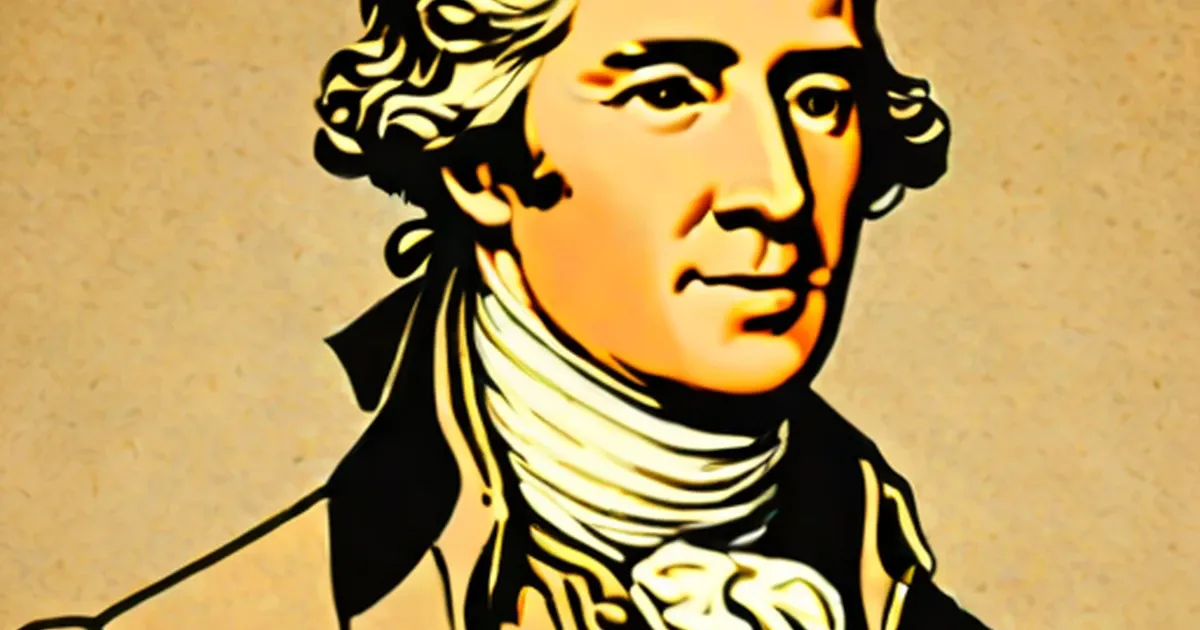
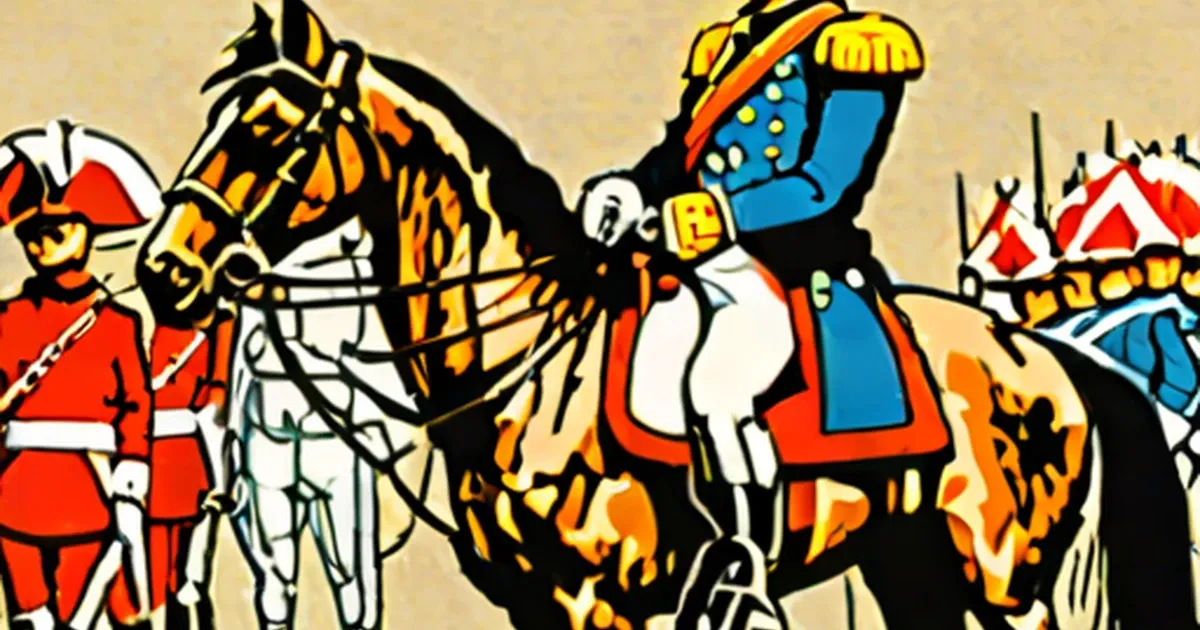
However, the actual War of Independence began on September 16, 1810, initiated by a Roman Catholic priest, Miguel Hidalgo Y Costilla, who is also known as the founder of the Mexican War of Independence Movement. Hidalgo worked for the betterment of the downtrodden in society and was very upset with the oppressive Spanish colonial government for its treatment of the downtrodden. He, along with his supporters, began the freedom movement and captured Guanajuato, a major colonial mining center under the Spanish government. They fought against the Spanish army for a long time and took over many parts of Mexico, but were not able to defeat them at the Mexico city. Hidalgo and some of his followers tried to escape, but were caught. Hidalgo was tried in the court and was put to death by a firing squad on July 30, 1811.
The execution of Hidalgo did not deter the Mexicans to fight for their freedom. The leadership of the struggle for independence was taken up by Jose Maria Morelos, another Roman Catholic priest. Under his leadership, the cities of Oaxaca and Acapulco were captured. It was Morelos, who declared the official document of independence, which emphasized on equal rights to the native-born Mexicans. In his struggle for independence, he was captured in Tezmalaca and suffered the same end as that of Hidalgo on December 22, 1815. Morelos is one of the revolutionary rebel leaders, who is considered to be the national hero of Mexico.
The efforts of Hidalgo and Morelos were carried forward by Vincent Guerrero and Guadalupe Victoria. These revolutionaries fought through guerrilla warfare techniques from 1815 to 1820. In the year 1820, the Viceroy of New Spain, Juan Ruiz de Apodaca ordered Agustin de Iturbide, a conservationist Creole, to defeat these revolutionaries and put an end to the Mexican freedom struggle.
At the same time, the monarch of Spain, King Ferdinand VII, was forced to sign a liberal Spanish constitution with its republic values and practices. Iturbide felt that it might affect the status of the Creoles in Mexico and also realized that if Mexico achieves independence from Spain, the Creoles might get a chance to rule the country. This made him join forces with the revolutionaries and he came up with the 'Plan of Iguala', also known as the 'Plan of the Three Guarantees'.
The Plan of Iguala was based on three main principles that would lay the foundation of independent Mexico. The plan read that Mexico would get its independence from Spain; Roman Catholicism would be its official religion; and all the Spanish-born people in Mexico would gain equal status.
The Viceroy knew that the revolutionaries would definitely win with the support of Iturbide's army, and so he resigned from his post. The Treaty of Cordoba was signed between Iturbide and the representatives of the Spanish Empire, declaring Spain as an independent country on the principles of the plan of Iguala.
However, Mexican independence benefited only the elite class i.e. the Spanish born in Mexico. When Ferdinand VII or any other monarch refused to take up the rule of Mexico, Iturbide crowned himself as the Emperor of Mexico. Nevertheless, his rule was short-lived because of his extravagant lifestyle. He was dethroned and the rule was taken over by the Congress, headed by Guadalupe Victoria, Nicolas Bravo and Pedro Celestino Negrete.
From 1823 to 1829, Spain also tried to regain its power over Mexico. It was only in 1836 that Spain declared Mexico as an independent country.
Mexico celebrates its independence day on September 16, the day when Hidalgo summoned his followers to join him in the freedom fight. This day is celebrated with great pomp and delight in every town of Mexico. The celebrations start on September 15, when a member of the government announces the grito or 'cry of independence' as announced by Hidalgo. In Mexico, the Independence Day is a way for people to remember and honor the heroes of the war, who fought for the freedom of their future generations.

Use the feedback form below to submit your comments.

Use the form below to email this article to your friends.

- The French and Indian War
- Story of the Trojan War
- History about the Korean War
- Facts About the Trojan War
- Battle of Gettysburg: Timeline and Significance
- French Wars of Religion
- Summary of the Cold War
- Causes and Effects of the Cold War
- Cause and Effects of Korean War
- Mexican American War
- Battle of Lexington And Concord
- The War Between Now and Yesteryear
- Russia Chechnya Conflict
- Japan and the Samurai Warrior (593-1877 A.D.)
- Civilization and Its Enemies: The Next Stage of History
- Roman wars, the Battle of Actium
- Chemical Warfare: The Beginning
- The New Weapons of War
- World Conflicts: Ethnic and Religious Conflicts
- Obama Looking for Added $83.4 Billion in "Special War Money"
- Mexico Facts: Interesting Facts About Mexico
- History of Olmec Civilization
- Mexican History Timeline and Summary
- History of Mexico
- Cinco de Mayo History: What is Cinco de Mayo?
- History of the Mexican Flag
- Mexican Food History