Medieval Clothing for Women
Are you searching for some information on medieval clothing for women? Travel back in time and discover the fashions of the time long gone. This article will cover some information on medieval clothing for the fairer sex.

During the medieval period, people wore loose linen and wool tunics that were similar to loose baggy t-shirts. As the medieval ages progressed, clothing became more distinguished and men and women of different professions wore clothing different from each other. Men wore wool pants under the tunics. The old men, monks, kings and noblemen wore tunics that were long enough to touch the ground. The medieval costumes of women were different from the medieval costumes of men.
Medieval Costumes of Women
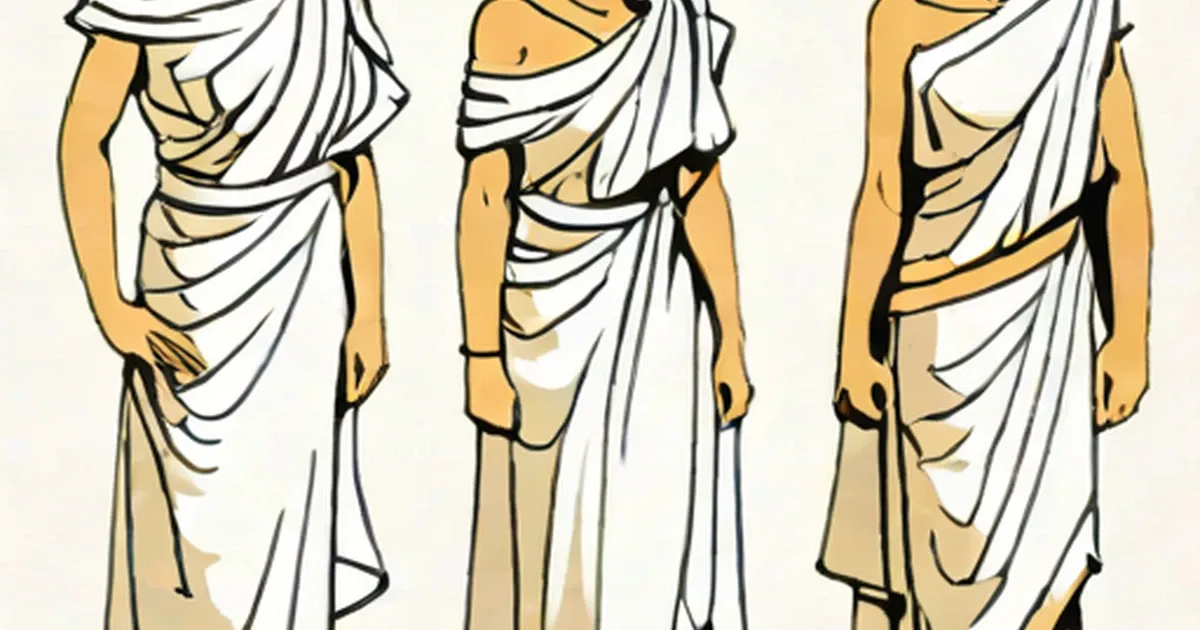
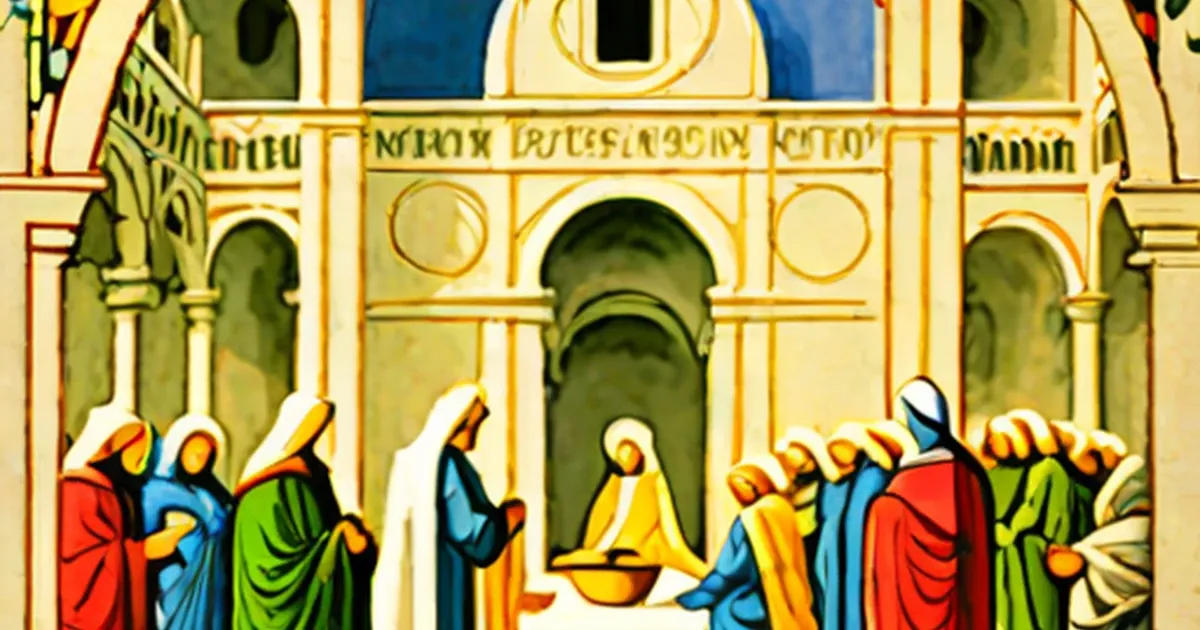
The early medieval costumes of women consisted of 'kirtles'. These were tunics that were worn till the ankles. Shirts were worn over the tunics and when in public, women often topped the tunic with a shorter 'kirtle'. The noblewomen wore luxurious medieval clothing, than the less fortunate ones. Married women wore tight-fitting caps and nets over their hair. They would wear a 'bun' hairstyle on their heads and few would wear veils over their hair, that would be braided tightly or left to hang loosely.
Medieval Costumes For Women ~ 900 to 1000
- The medieval clothing for women in the early middle ages were very tight. This was because tight clothing could display the elegance of the female form.
- The other medieval clothes were made high enough to cover their necks and a long tunic reached their heels.
- The long tunic was fastened at their waist and closed at the wrist area, in case there were sleeves. Many women wore tunics without sleeves.
- The medieval clothing consisted of two tunics and a veil that was thrown over the head and could be falling down in the front and behind, thus, covering the entire neck area.
- In case of queens, princesses and noblewomen, wore an additional long cloak that was lined with ermine.
- During this period, the medieval clothing of women consisted of two tunics. One of the tunics was longer than the other. The longer one was worn under and was smaller than the shorter one.
- The sleeves were tight and reached the wrist, in length. They were pleated in many folds.
- Ornamental bands adorned the lower part of the dress, the neckline and the sleeve borders.
- A girdle encircled the waist, just above the hips.
- A finely worked veil was fastened over the head and covered the shoulders and hung down till the feet. The veil completely covered the hair, proving that visible long plaits were not in fashion.
- The under dress was worn in different colors, whereas, the gowns and outer tunics were mostly white.
- During this period, the medieval clothing for women consisted of a cap that was made of linen with lappets that hung over the shoulders.
- The robe was fastened with long bands attached to the sleeves, near the wrists around the waist.
- A round buckle near the collar fastened the tight gown and two bands made of cloth material around the neck formed a look of a necklace.
- The women wore a long cloak and closed shoes that were now made pointed. There were colored bands attached to the shoes, that were tied around the ankles, showing the shape of the foot.
- Along with a head-dress, medieval women wore a broad band that was tied under the chin. This helped framing the shape of the face.
- Women also wore surcoat that was a large wrapper with sleeves. It was worn over the upper part of the robe. Later on, women began to wear surcoats without sleeves.
- The women wore undergarments of costly material, that could be seen from underneath the robes.
- This was a period of luxury and medieval clothing consisted of jewelry made of gold, silver, pearls and precious stones.
- The women wore large belts made of solid gold.
- They wore gowns with tight bodices.
- Tight jackets were worn over the bodices, that reached a little below the hip and were trimmed with fur.
- The women wore plait hairstyles that fell near the side of the face, till the neck and were decorated with pearls, gold or silver ornaments.
- They wore pointed caps with turned up borders and hair clustered in thick curls on the side.
- The gown was fastened with a row of buttons in the front, with long and tight sleeves with small slit at the wrists.
- They wore long, pointed shoes, with richly embroidered clothing.
- During this period, the medieval clothing's for women included coats and surcoats that trailed on the ground.
- They wore hats that had a wired framework, covered in embroidery or laces.
- A silken net was worn to keep the hair back.
- The undergarments that were shown from awkward openings, was now displayed a harmony with the figure and through the large openings of the overcoat.
- The surcoat turned into a wide and trailing coat that was kept back on the shoulders and draped at the lower part of the body.
- The external corset was worn in the front and behind, without concealing the fine outlines of the bust. A steel busk encased in rich lace work, kept the corset in place and was made of silk during summer and fur during the winter season.
- Women adorned the false hair and wore nets that permitted the mass of false hair to be seen hidden behind the padded puffs.
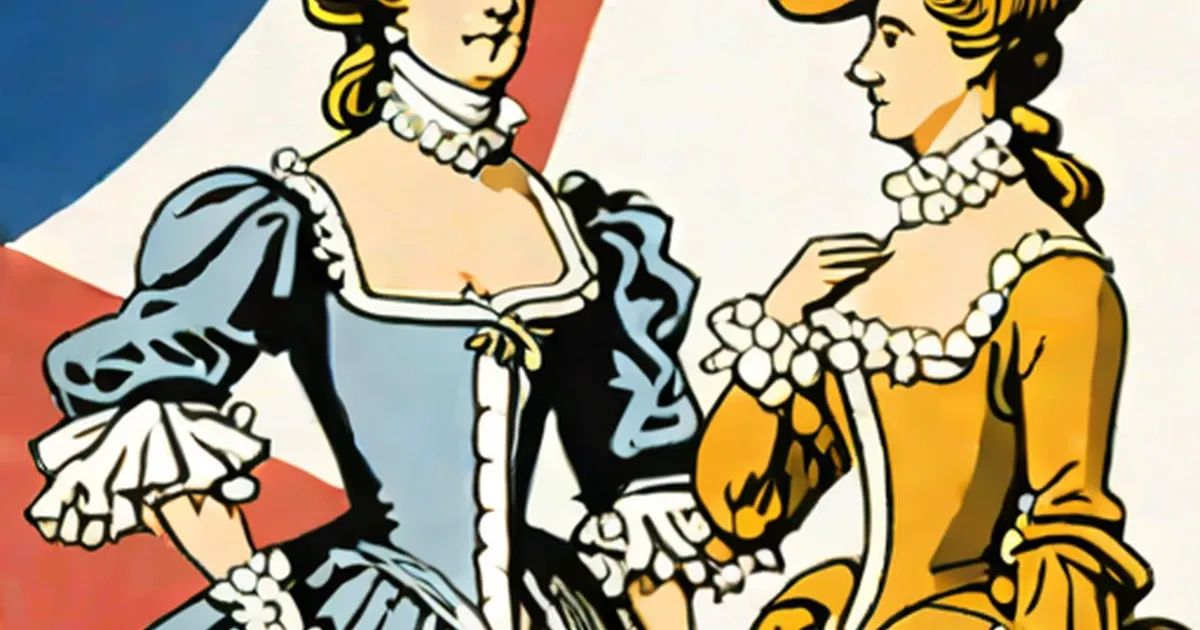
- This was the beginning of the famous Renaissance period and an era of fine arts and literature. The medieval renaissance clothing of women consisted of dresses with short trains and long sleeves that were hanging and embroidered or fringed.
- The dresses became shorter and were trimmed in a very costly manner.
- Women wore large rolls of head dresses that were mounted with a high conical bonnet.
- The necklines became slightly low, to display necklaces.
- The ruffs and small collars were brought in fashion by Catherine de Medici, queen consort of King Henry II of France.
- The medieval renaissance clothing of women that were tight at the waist, became more full around the hips. They used large padded rolls in an arrangement of padded whalebone and steel.
Like This Article?
Follow:

- Medieval Tortures: Medieval Punishments and Torture Devices
- Medieval Armor Information
- Medieval Weaponry: Swords and Armor
- Traditional German Clothing
- Traditional Mayan Clothing
- Renaissance Clothing
- Ancient Roman Clothing
- Traditional Brazilian Clothing
- Jamaican Clothing
- Pakistan's Traditional Clothing
- Russian Clothing
- Famous Knights
- How to Design your Own Clothes Online
- How to Make a Duct Tape Dress
- Tips on What Not to Wear
Post Comment | View Comments