Maori Culture
Remnants of a rich Maori culture exist even today in New Zealand. Consistent efforts to preserve and revive Maori traditions, have made it possible for us to be witness to a way of life that evolved sans 'civilized' influences.
Maori Tribes
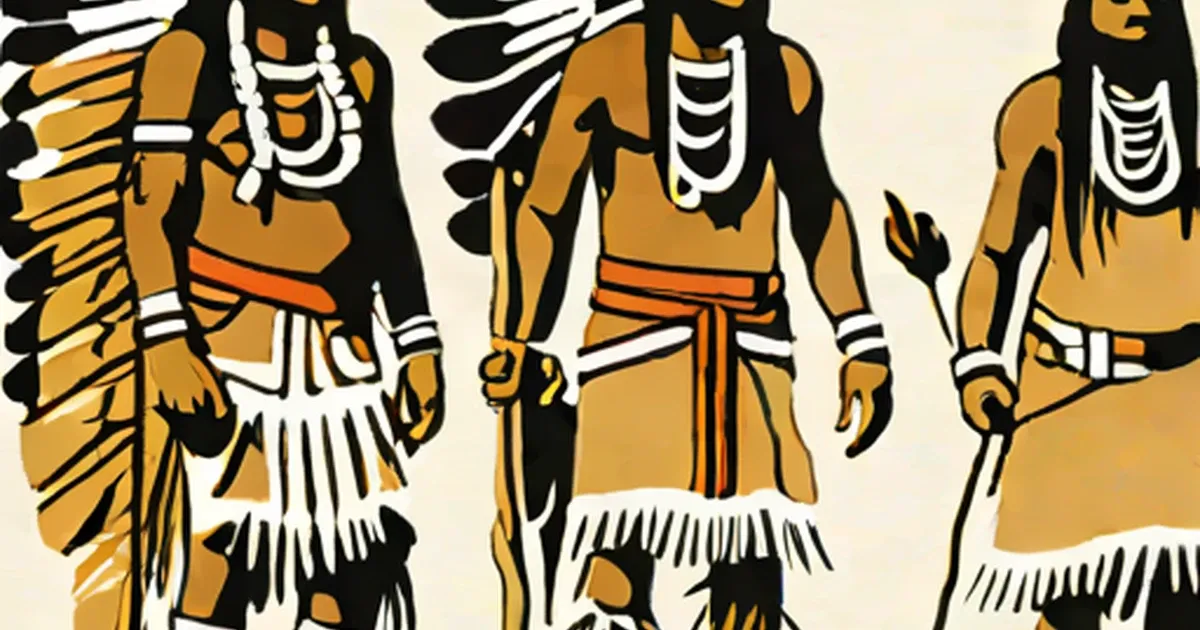
Māori lineage is described using the term Whakapapa, which means to place one's antecedents layer-wise, one upon another in proper order of genealogy, starting from the first. They trace their ancestors back to the first Māori who arrived in canoes from Polynesia. The most famous wakas or canoes were the Arawa, the Tainui and the Mataatua. Interestingly, the term waka also means 'tribe', as the members of each waka separated into iwis or tribes. The Māori were a tribal people who shared common ancestry within a tribe, and exhibited loyalty to a chief or several chiefs. Members of a sub-tribe hapuu, were treated as extended family. Land was owned communally in the sub-tribe and members encouraged their offspring to pick life partners from within the hapuu.
Maori Spirituality
Traditionally, the Māori believed that all things, alive or inanimate, were connected by common descent, from gods who resided in mountains, rivers and lakes. Probably due to this belief, the Māori had strong ties with nature in general, and land, in particular. They also believed that everything possessed a life force mauri and a spirit wairua. The terms Mana and tapu are used to describe the spiritual essence present in all people or things, again derived from the gods, and the corresponding social code for appropriate behavior with regard to maintaining sanctity. Disregarding the rules/restrictions of tapu implied disobedience to the gods, which could invite punishment. The degree of mana and tapu in things or in people varied, depending on social rank, spiritual powers etc. and consequently made its possessor holy or unchaste.
According to Māori mythology, creation began from the first parents, Papatuanuku (mother) and Ranginui (father). They had 70 male children, including eight divine offspring. Their divine offspring included Tane-Mahuta, the god of humans and forests, including birds and animals; Haumia Tiketike, the god of uncultivated food; Rongomatane, the god of peace and agriculture; Tawhirimatea, the god of weather; Ruaumoko, the god of earthquakes; Tangaroa, the god of the sea; Tu-matauenga, the war god; and Whiro, the god of darkness and evil, symbolized by the lizard. In addition to these, there existed countless other gods and spirits.
The holy of holies to the Māori is the Marae, a sacred open meeting area, generally located in front of the communal meeting house (whare runanga). The marae is considered to have the greatest mana or spirituality, where expression is given to the Māori customs. It is here that most Māori customs, including christenings, weddings, funerals and tribal reunions are enacted. Traditional Māori community life pivots around it. Anyone who dares to desecrate this place invites trouble for himself.
Maori Customs
The word tikanga is used to describe the Māori customs and traditions which have been handed down from one generation to the next over time. Tikanga means things which are true (tika) and not false (teka). The most interesting aspect of the tikanga is that the Māoris believe that their customs, though from the past, are in front of them, guiding them. The future is said to be behind, because nobody can see the future and eventually the future becomes the past. Normally, at Māori gatherings, guests are first presented with an action song and then greeted in the traditional Māori way, called hongi, which involves the touching of one nose to another. At these traditional meetings, food is usually cooked in earthen ovens placed on heated stones.
A prominent tourist attraction is the Māori haka which is a traditional Māori dance form, performed in a group, to the accompaniment of shouts and actions. There were hakas for joy and celebration and hakas to be performed before going into battle. Out of the two types of war dances or hakas were peruperu which was performed with weapons and haka taparahi that was done without them. The hakas are very energetic and full of life.
Probably, the Māori are best known for their tattoos. The Māori tattoo is called moko; while the process of applying the tattoo is ta moko, which literally means 'to strike' or 'to chisel'. A painful and tedious process, these intricate designs primarily adorned the faces of the men, as the head was considered the most sacred part of the body. The bodies of Māori men also were like canvases filled with stunning designs. Traditionally, the men tattooed their torsos and thighs. Tattoos for women were usually confined to the lips and chin. These tattoos were symbolic as they told a story, starting with rites of passage (e.g. childhood to adulthood), followed by important events in the life of the individual. Tattooing commenced with puberty, and the process was always accompanied by many rituals.
Maori Arts and Crafts
Intrinsic to the Māori way of life were weaving and carving. Māori literature, stories and legends were handed down both orally and through these media. A much told Māori fable is about how the demi-god Maui fished the North Island of New Zealand, out of the ocean. Among the Māori relics existing today, are some 500 year old carvings. Māori carvers, who were held in high esteem, were considered as agents through whom the Gods communicated. An image that resonates through Māori carvings is manaia, a side-faced and sometimes birdlike figure. A famous manaia stands today in Easter Island, made up of a side-faced man with a bird-head. Found in the Bay of Plenty area, Marakihau Māori carvings represent deep sea monsters and ocean gods.
Today, the Māori strive to achieve equality in social standing. The stark inequalities present between the Māori and non-Māori were very pronounced in the 2001 census. Their greatest concern now is ensuring that the right support is provided in terms of education and health care, so that they may succeed in society. Widespread racial discrimination is another cause for distress among the Māori. Their battle for redressal of land issues and for the return of Māori land unjustly taken, is ongoing.

Use the feedback form below to submit your comments.

Use the form below to email this article to your friends.

- Irish Contributions to the American Culture
- Australian Culture
- The Culture of Philippines
- Ancient Mayan Culture
- Traditional German Clothing
- Cultural Relativism
- Irish Culture
- South Asian Culture
- Ancient Egyptian Culture
- Cajun: History, People and Culture
- Aksum - World Heritage Site from Ethopia
- The Culture of Sex
- South Korean Culture
- Spain: Culture
- Symbolization in Indian Culture
- German Culture
- Afghanistan - Culture, Traditions and Customs
- Muslim Culture and Traditions
- What are the Elements of Culture
- Different Cultures of the World
- Orientalism - Characteristics of Orientalism
- What is Culture
- Kalash Tribe
- History of Mandingo Tribe
- Scottish People: Food and Culture
- Facts about the French Culture
- The Culture of Taiwan
- Cultures of Asia
- Culture of United Kingdom
- Traditional Jewish Wedding Dance
- Importance of Culture
- Haiti Culture
- Why is Culture Important
- Characteristics of Culture
- French Canadian Culture