Living in a bottle
The Zen Koan is an impossible question, a question one can not answer using his intellect. It is like a piece of hot coal stuck in your throat- you can't swallow it or spit it away. so how can the goose get out of the bottle?
In Chinese Zen monasteries, it is common practice that each monk receive a gift from his Teacher - a personal question. This gift is as good as a pickled Chinese vegetable that you can not swallow, and is too embarrassing to spit out. Eager for enlightenment the monks go to the Teacher’s small room, bow and ask for a deeply spiritual question especially suited just for them. The Zen riddle is known to be a headache, but sooner or later all monks request their "gift" and fall into this trap.
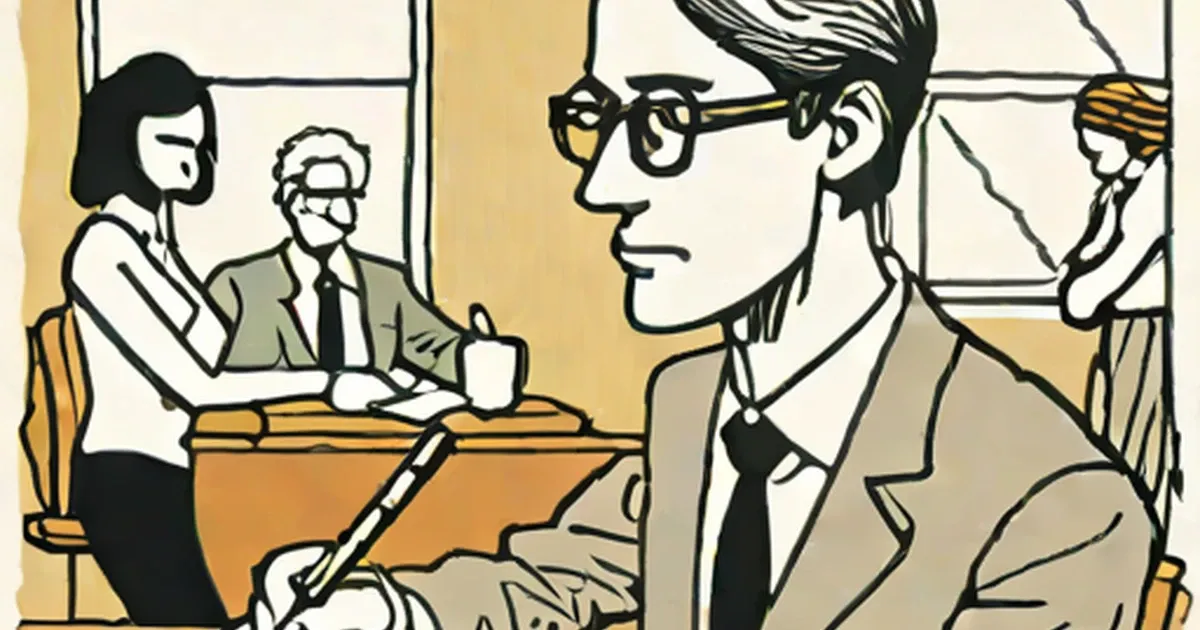
Zen literature has documented one thousand and seven hundred questions, most of them having unclear Zen-style answers. These questions and answers are in use also today; Zen monks and nuns study them and are asked to comment, correct the mistakes, or to explain their meaning. Those who have worked with a Teacher on a question and, have arrived at the correct understanding are not allowed to tell anyone else the answer. I would like to tell the story of one monk, a very stubborn one, and the question that he received as a gift from his Teacher.
The Teacher knew his student well and decided to come up with an impossible question. He wanted to create a ‘short circuit’ in the monk’s brain that would burn out all of the unnecessary ideas inside the student’s mind. Here, then, is the riddle:
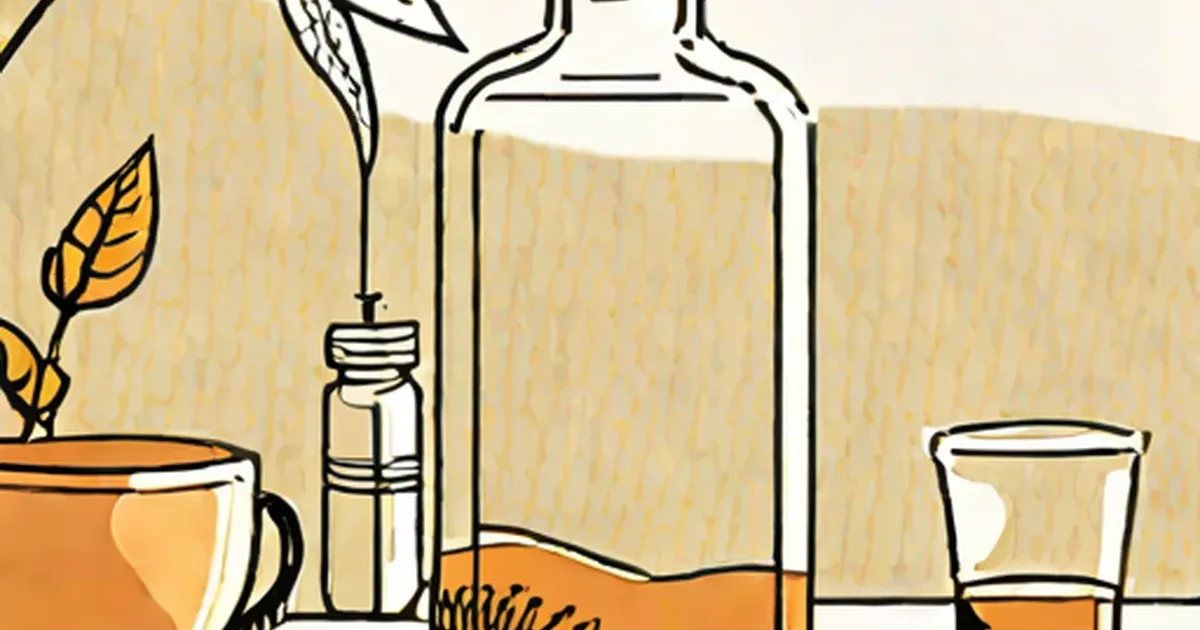
"Someone put a goose egg inside a bottle, the egg hatched and he fed the baby goose until it grew larger than the bottle’s neck. How can you release the goose from the bottle without killing the goose and without breaking the bottle?"
For three years the monk worked on this question. For three years he studied it day and night, trying to figure out what the solution was for the poor goose inside the bottle. Every time he thought he had an answer he ran to the Teacher’s room but always failed to solve the riddle. After three years the goose was still in the bottle, stuck up in it’s neck, and the monk had run out of answers.
In Zen monasteries, such a question (Koan in Japanese) becomes a frustrating challenge of self–respect. The urge to succeed doesn’t permit one to let go. Three years in a monastery is a very long time and such a question can burn like a hot coal in the stomach.
One day the monk had his first realization about the solution. He realized it wasn’t a question of the goose being stuck, but rather that he himself was stuck. He was the goose inside the bottle. He was the suffering fellow. He wanted desperately to be free. It was the transparent bottle, he realized, which had no color but which had a very weighty presence that was suffocating him from all directions and limiting his freedom.
The first step to enlightenment is the understanding that I am in trouble. Not others who can easily be criticized and targeted; nor the ignorant and uneducated, but me, the smart and educated, sharp and special person that I am – I am suffocating and it is I who desperately need to breathe fresh air.
The first realization is about finding the true location of suffering – not from the outside but from within. Admitting his weakness led him to the next question: What is my glass bottle and how do I get free? From this point, surprisingly, there is not much further to go in order to solve the riddle.
Are you familiar with the phenomenon that sometimes, when we try to recall a name for example, the mind refuses to cooperate, but a day or two later the name simply jumps out of our consciousness? It is the same with the Zen questions. After much digestion, contemplation and meditation, suddenly one of the phrases we have heard a thousand times before, pops up in such a clear, strong and vivid light, that there is no longer any doubt as to the answer.
On a day that started like any other day, the monk suddenly realized, that the bottle that confined him was his own mind. Although transparent and formless, it certainly created a distorted picture of the truth. This was his great second realization, which gave him a new freedom through insight.
Thus it was that our monk finally understood that first, he was the goose and second, the only thing that imprisoned him was his mind.
He ran to his Teacher’s room, yelling all the way "I’ve got it, I’ve got it!"
"What have you got?" the teacher asked with surprise.
"I understand what you wanted to teach me all this time", said the monk as he bowed deeply three times.
"So how do you take the goose out without killing it or breaking the bottle?" asked the teacher with a smile.
The monk spread his hands wide and said: "The goose is out!"
Zen answers that originate from a clever mind are never acknowledged. The only answers to be accepted are those, which come out of experience and transformation. The teacher’s duty is to know the difference, and to challenge the student further until he enters a place, which is deeper than logic, from where these answers may be found.
It takes some work and effort to follow the path of Zen. The road is not always easy, but once you have touched freedom, there is no going back. Follow the path and trust that you can do it. After all, we only have one personality to get rid of.
Remember, the goose is out.
Zen literature has documented one thousand and seven hundred questions, most of them having unclear Zen-style answers. These questions and answers are in use also today; Zen monks and nuns study them and are asked to comment, correct the mistakes, or to explain their meaning. Those who have worked with a Teacher on a question and, have arrived at the correct understanding are not allowed to tell anyone else the answer. I would like to tell the story of one monk, a very stubborn one, and the question that he received as a gift from his Teacher.
The Teacher knew his student well and decided to come up with an impossible question. He wanted to create a ‘short circuit’ in the monk’s brain that would burn out all of the unnecessary ideas inside the student’s mind. Here, then, is the riddle:
"Someone put a goose egg inside a bottle, the egg hatched and he fed the baby goose until it grew larger than the bottle’s neck. How can you release the goose from the bottle without killing the goose and without breaking the bottle?"
For three years the monk worked on this question. For three years he studied it day and night, trying to figure out what the solution was for the poor goose inside the bottle. Every time he thought he had an answer he ran to the Teacher’s room but always failed to solve the riddle. After three years the goose was still in the bottle, stuck up in it’s neck, and the monk had run out of answers.
In Zen monasteries, such a question (Koan in Japanese) becomes a frustrating challenge of self–respect. The urge to succeed doesn’t permit one to let go. Three years in a monastery is a very long time and such a question can burn like a hot coal in the stomach.
One day the monk had his first realization about the solution. He realized it wasn’t a question of the goose being stuck, but rather that he himself was stuck. He was the goose inside the bottle. He was the suffering fellow. He wanted desperately to be free. It was the transparent bottle, he realized, which had no color but which had a very weighty presence that was suffocating him from all directions and limiting his freedom.
The first step to enlightenment is the understanding that I am in trouble. Not others who can easily be criticized and targeted; nor the ignorant and uneducated, but me, the smart and educated, sharp and special person that I am – I am suffocating and it is I who desperately need to breathe fresh air.
The first realization is about finding the true location of suffering – not from the outside but from within. Admitting his weakness led him to the next question: What is my glass bottle and how do I get free? From this point, surprisingly, there is not much further to go in order to solve the riddle.
Are you familiar with the phenomenon that sometimes, when we try to recall a name for example, the mind refuses to cooperate, but a day or two later the name simply jumps out of our consciousness? It is the same with the Zen questions. After much digestion, contemplation and meditation, suddenly one of the phrases we have heard a thousand times before, pops up in such a clear, strong and vivid light, that there is no longer any doubt as to the answer.
On a day that started like any other day, the monk suddenly realized, that the bottle that confined him was his own mind. Although transparent and formless, it certainly created a distorted picture of the truth. This was his great second realization, which gave him a new freedom through insight.
Thus it was that our monk finally understood that first, he was the goose and second, the only thing that imprisoned him was his mind.
He ran to his Teacher’s room, yelling all the way "I’ve got it, I’ve got it!"
"What have you got?" the teacher asked with surprise.
"I understand what you wanted to teach me all this time", said the monk as he bowed deeply three times.
"So how do you take the goose out without killing it or breaking the bottle?" asked the teacher with a smile.
The monk spread his hands wide and said: "The goose is out!"
Zen answers that originate from a clever mind are never acknowledged. The only answers to be accepted are those, which come out of experience and transformation. The teacher’s duty is to know the difference, and to challenge the student further until he enters a place, which is deeper than logic, from where these answers may be found.
It takes some work and effort to follow the path of Zen. The road is not always easy, but once you have touched freedom, there is no going back. Follow the path and trust that you can do it. After all, we only have one personality to get rid of.
Remember, the goose is out.


Use the feedback form below to submit your comments.

Use the form below to email this article to your friends.

Tao's center homepage
Information about Tao's center
Join Tao's mailing list
Get all the news and updates from Tao's
Information about Tao's center
Join Tao's mailing list
Get all the news and updates from Tao's

- Catholicism and Spirituality at Odds Throughout History
- Spirituality At Work Seeks Connection Between Work and Values
- Relax and Renew at the Heartland Center for Spirituality
- Key to Lasting Spirituality Can Be Found in Children
- Carmelite Spirituality, the Legacy of Holy Land Hermits
- Exploring the Connection Between Art and Spirituality
- Spirituality Information - She Opened the Door For Me ....
- Science, Religion and Spirituality
- New Age Spirituality - The Uneducated Parents Who Killed Their Child's Dreams !
- New Age Spirituality – Bad Things Always Happen to Good People
- What is Spirituality?
- The Importance of Spirituality
- Spirituality | Definition the true Inner Meaning
- Religion and Spirituality - what differentiates Religion from Spirituality?
- Age New Spirituality - John Harricharan's Interview With Terri Marie ( Q4 )
- Age New Spirituality - John Harricharan's Interview With Terri Marie ( Q3 )
- Age New Spirituality - John Harricharan's Interview With Terri Marie ( Q2 )
- Age New Spirituality - The Four Gentlemen Who Created A Beautiful World
- New Age Spirituality - Murder Your Motivation !
- New Age Spirituality - I Won The Race ..... No One Cared A Damn