Liver Damage Symptoms
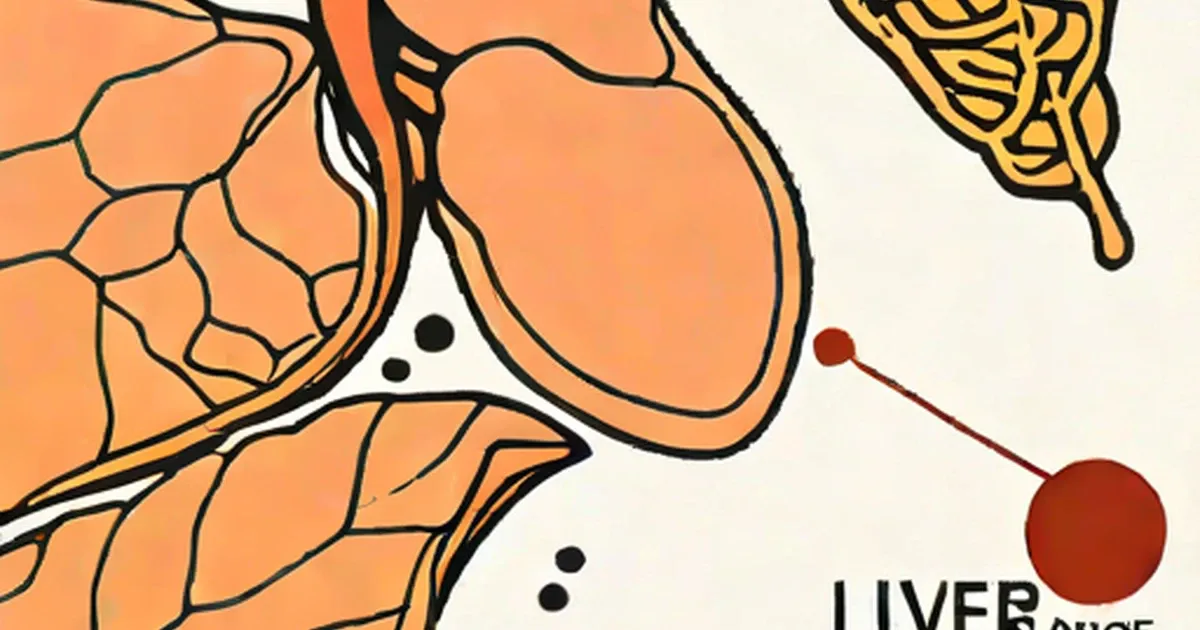
The liver is an important organ of the human body and any liver disorder can hinder the normal functioning of the body as a whole. Therefore, it is necessary to understand liver damage symptoms, so that the necessary action can be taken well in time.
The liver is one of the vital organs of the human body. Located under the rib cage on the right side of the abdomen and roughly the size of a football, it plays a number of important roles in metabolism:
- Processes the nutrients produced by the digestion of foods
- Deals with the toxins and drugs absorbed via the intestine (detoxification)
- Recycles erythrocytes (red blood cells) by breaking them down
- Produces essential proteins and biochemicals necessary for digestion
- Regulates the metabolism of cholesterol
- Produces blood-clotting agents
- Removes excess bile from the body
Bile, a byproduct of red blood cell recycling, plays an important role in the digestion of fats. When the liver is damaged and unable to rid the body of excess bile, serious problems occur: bile in the blood makes the skin, face and whites of the eyes look pale or yellow, a condition known as jaundice and a key indication of liver failure or damage. Notably, the liver is the only organ able to regenerate itself, and the body can withstand the loss of roughly 60% of a normal liver — but no liver problem should be taken casually.
Early Signs of Liver Damage
Being aware of the early signs of liver damage lets you act before things become worse or irreversible. Symptoms vary with the cause, but those commonly seen early include:
- Nausea, poor appetite, chronic fatigue, weakness and loss of energy
- Pain in the abdominal region, sometimes accompanied by swelling
- Persistently itchy skin (an early sign of alcohol-related liver damage)
- The skin, nails and whites of the eyes losing their natural color and turning yellow
- Stool that is paler than usual, or covered with blood or tar-colored
- Urine darker than normal
Full Symptoms of Liver Damage
- Early symptoms include fatigue, weakness, lack of appetite, loss of energy, weight loss and nausea.
- Jaundice — a damaged liver cannot remove bilirubin from the blood, so the skin and whites of the eyes turn yellow.
- Nails change color and appearance, becoming more curved (clubbing) and looking white rather than pink.
- Loss of appetite leading to weight loss and anemia, with indigestion or improper metabolism of proteins, fats and carbohydrates.
- Darkening of skin color, noticed in about 20% of patients with liver disease.
- Lighter-colored stool, due to the absence of bile in it.
- Irritable bowel syndrome.
- An enlarged liver (hepatomegaly), with dilation of the abdomen beneath the lower ribs on the right side.
- Breathing complications, as increased pressure builds on the diaphragm.
- Polydipsia (excessive thirst) and polyuria (frequent urination).
- Bloating and fluid retention, as the damaged liver can no longer help the kidneys remove excess fluid.
- Spider nevus — a spot surrounded by fine blood vessels.
- Delayed blood clotting, as the liver can no longer produce an important clotting protein.
- In more than 50% of male patients, enlargement of the breasts and shrinkage of the testes.
- In advanced stages, nosebleeds and blood in the vomit and stools.
Causes of Liver Damage
A wide variety of medical conditions are associated with liver damage — some inherited, some caused by viruses and other pathogens, some temporary and some chronic:
- Alcoholism and alcoholic hepatitis
- Hepatitis A, B, C, D and E, and autoimmune or toxic hepatitis
- Cirrhosis and primary biliary cirrhosis (which mostly occurs in women)
- Cancer of the liver, liver adenoma and liver cysts
- Hemochromatosis (excessive deposition of iron in liver cells)
- Wilson's disease and Gilbert's syndrome (in which the liver does not process bilirubin properly)
- Nonalcoholic fatty liver disease and obstruction of the bile duct
- Infection of the liver by parasites
- Metabolic and genetic disorders, and the body's immune system attacking liver cells (uncommon)
- Liver enlargement and liver failure (acute or chronic)
Diagnosis and Treatment
A doctor will typically recommend a group of blood tests and imaging procedures such as CT scan, MRI and ultrasound, and possibly a liver biopsy in which a small tissue sample is examined under a microscope. Treatment depends on the cause: once diagnosed, the doctor may prescribe medication; cases that do not respond to drugs may require surgery; and where the damage threatens liver failure, an organ transplant may be recommended.
Protecting Your Liver
Besides watching for the early symptoms, you can protect the organ by limiting alcohol (no more than two drinks a day for men and one for women, if at all), getting vaccinated against hepatitis, being careful with prescription and non-prescription medications, avoiding exposure to pesticides, favoring a plant-based diet and maintaining a healthy weight. Should any of the above liver damage symptoms occur, consult a health care professional immediately for the necessary intervention.