List of Environmental Problems

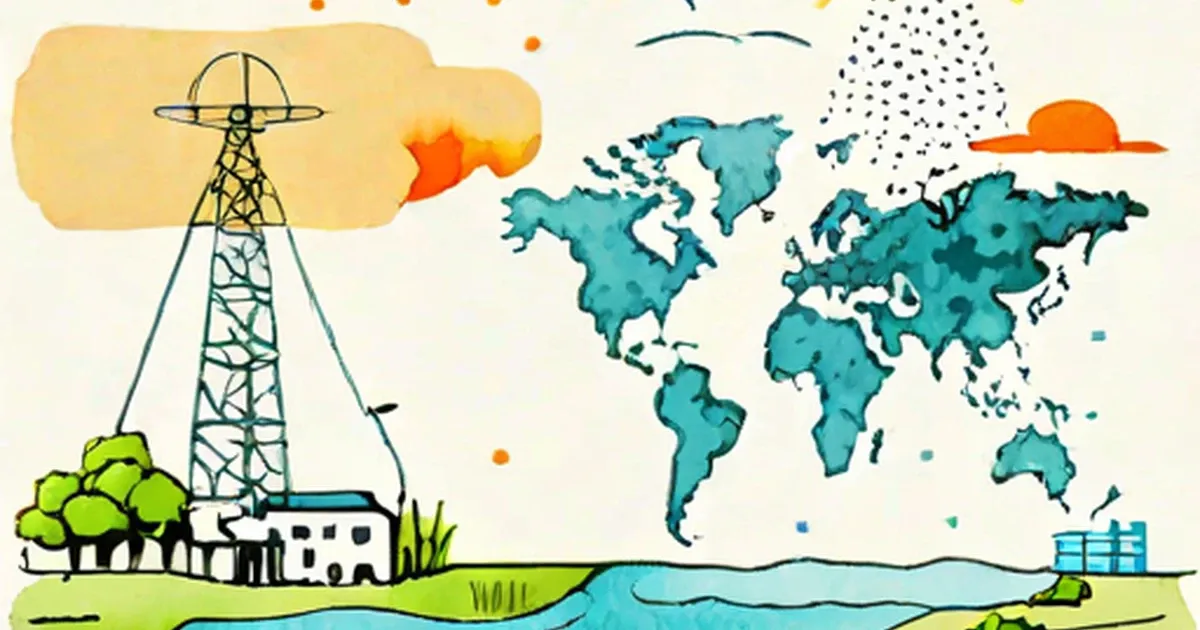
The earth's environment has become a pervasive and global problem. There is growing awareness about the need to conserve our environment. Read on to know the different environmental problems.
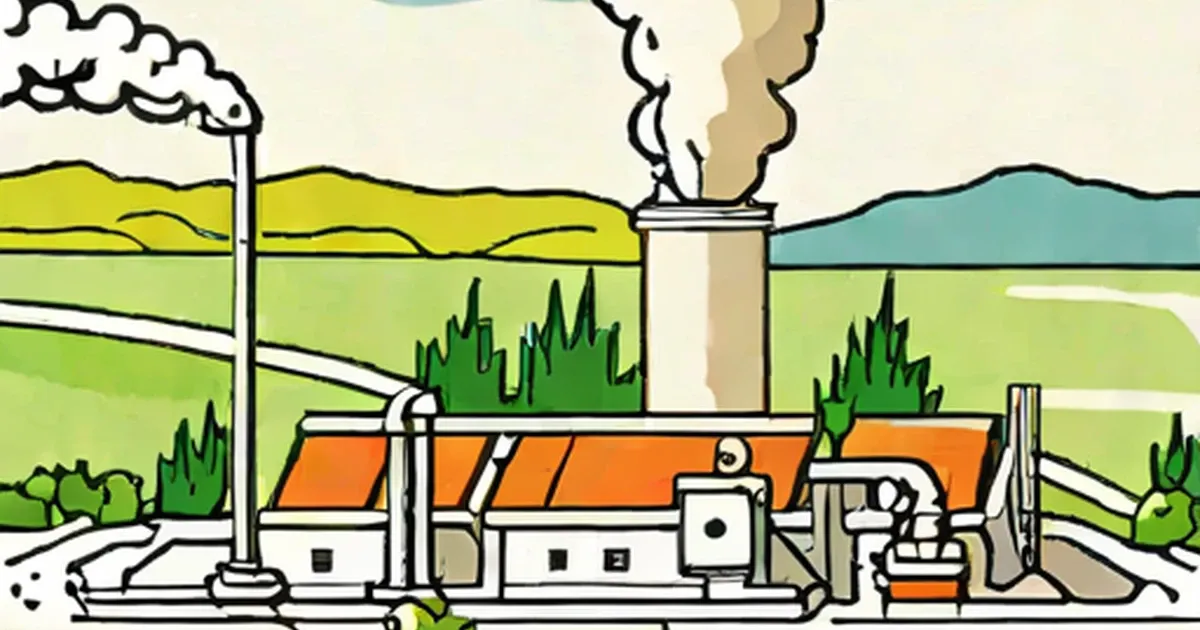
Today the Earth's environment is in a sorry state. Wherever one looks, one encounters pollution. Forests are disappearing. The green patches in the city are being replaced by concrete buildings. Waste products are being dumped indiscriminately. Water is too toxic to drink. The air is unfit to breathe. Global warming has become a menacing issue. There is a question mark over the survival of life on the Earth. The human race is at the brink of a self-created disaster. Truly there is a surfeit of environmental problems today.

This article aims to acquaint you with as many environmental problems and issues as possible. For ease of understanding, the different problems have been divided into four main categories. You may jump to the category of your interest.

List of environmental problems
  1. Air-related Environmental Problems
  2. Water-related Environmental Problems
  3. Land-related Environmental Problems
  4. Other Environmental Problems

Air-related Environmental Problems

Greenhouse Effect
Any gas in the atmosphere that absorbs and emits radiations in the thermal infrared range is called a greenhouse gas. The greenhouse effect is a process by which thermal radiation from a planetary surface is absorbed by atmospheric greenhouse gases, and is re-radiated in all directions. This process repeats over and over again, trapping the radiations in the atmosphere. This is one of the major causes of global warming (discussed elsewhere in the article).
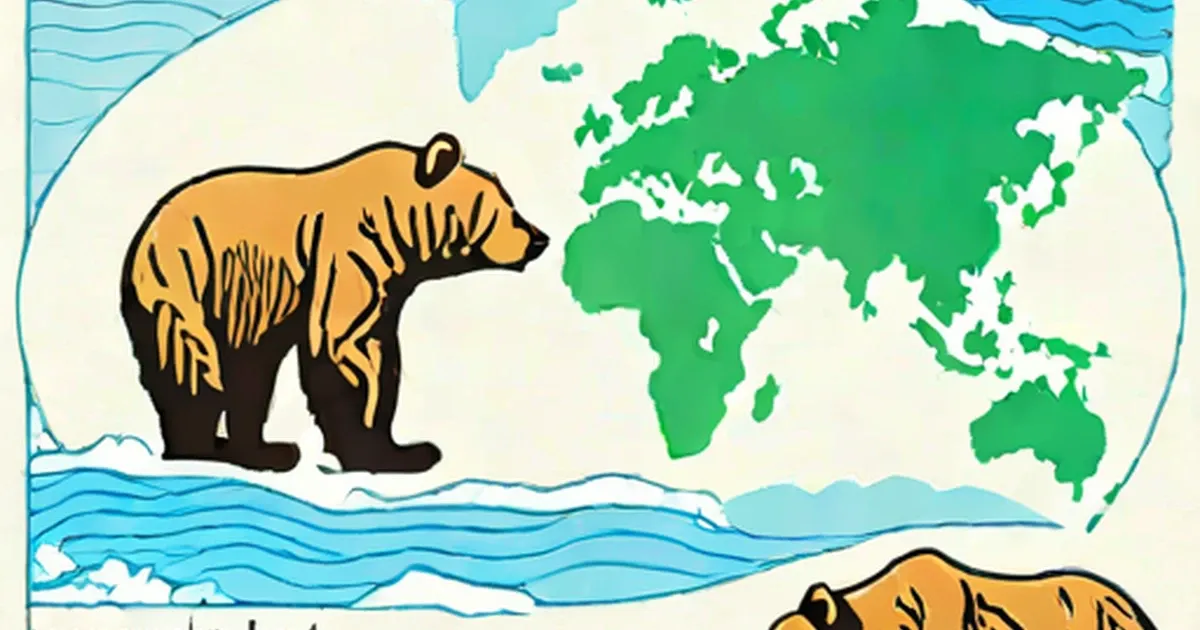
Consequence: Global warming is causing the Earth to lose its snow cover; glaciers are melting, the sea-level is rising, and a lot of arctic floral and faunal species are on the verge of extinction.

Ozone Depletion
The ozone envelope around the Earth is depleting in volume consistently since 1980s. This is largely due to the effect of halocarbon refrigerants (such as CFC, halons, freons, etc.). Halocarbons (being lighter than other gases in the atmosphere) rise much higher in the atmosphere. They then photodissociate to give atomic halogens. These atoms catalyze the destruction of the ozone gas.
Consequence: Depletion of the ozone can practically threaten human life, and life of other animals as well. The ozone layer protects us from UV rays of the sun; without the ozone layer, everyone would be susceptible to a number of skin diseases, including skin cancer.

Air Quality
The quality of air we breathe is worsening day-by-day. This includes the quality of air outside the house (outdoor air quality) as well as indoor air quality. In fact, indoor air quality has been designated as one of the worst environmental issues, especially in the urban areas. Government agencies usually set the values of different gases and components in the air at certain levels which are fit for life; these values are called Air Quality Indices (AQI). They help monitor air quality. Primary reason for the worsening of air quality is air pollution (discussed below). Stagnant air (due to lack of winds, due to temperature inversion, etc.) is another important cause.
Consequence: Poor air quality can hamper children and old people from performing daily activities, or even stepping out of the house. Poor air quality also leaves you feeling tired and fatigued all day long, irrespective of the diet you follow or the amount of sleep you have.

Air Pollution
Air pollution is probably one of the most dangerous anthropogenic effect on the environment; since we cannot control the air we breathe (though we may be able to control the quality of drinking water, food, etc.). Vehicular traffic, smog created by the smoke emitted by vehicles and factories, aerosols arising SPM (suspended particulate matter), VOCs (volatile organic compounds) present primarily in paints and varnishes and refrigerants, all contribute to air pollution.
Consequence: Air pollution affects everything; it affects plants, animals and humans. According to WHO, poor indoor air quality can lead to respiratory infections, coronary diseases, and even lung cancer. If all this is happening indoors, imagine what is happening outside.
Back to List

Water-related Environmental Problems

Acid Rain
Gases like carbon dioxide, nitrogen oxide, sulfur dioxide can react with water to produce corresponding acids. When this happens in the atmosphere, we get rain that is of acidic (or low) pH. The gases mentioned above are released into the atmosphere by certain natural processes like lightning, volcanoes, etc. However, the amount of these gases released due to factories, vehicles and different industries surpasses that produced naturally. It goes beyond a level that can be tolerated by nature.
Consequence: Acid rains cause stone, rocks, steel, metal to erode and paint to peel off. This means monuments, statues, bridges, buildings, all are at a risk. Going at the current rate, there may come a time when children won't be able to play in the rain because it scars their skin!

Wastewater
One cannot really control or stop wastewater from being generated. However, due to anthropogenic effects of human development, the components of wastewater are changing every year, so that more materials that cannot be gotten rid of are being added to wastewater and, ultimately, to water in general. If the amount of these substances goes on increasing, they will accumulate in the food chain.
Consequence: Wastewater management, if not managed effectively, is going to eventually affect all kinds of life form. Eutrophication (discussed below) is a grave consequence of inefficient and / or inadequate treatment of wastewater.

Urban Run-off
Urban run-off refers to the rainwater running off land and into water bodies. This is a natural process. However, with ever-increasing urbanization, this process affects water bodies adversely, because the run-off now carries all sorts of compounds, chemicals and particulate matter. In the presence of trees and sufficient vegetation, only about 10% of the total amount of rain runs off into water bodies. However, this amount has been increased almost 5 times!
Consequence: Urban run-off causes deposition of oil, gasoline, garbage, heavy metals (nickel, copper, lead, zinc etc.), fertilizers and pesticides (from gardens and lawns), synthetic organic compounds, etc.; all of which ultimately enters the food chain and causes number of health complications. Urban run-off also partially contributes to eutrophication.

Eutrophication
Eutrophication, in layman's terms, means excessive growth of phytoplankton in a water body. Almost all natural water bodies (unless intentionally protected), are subject to water pollution; this adds a number of 'substrates' such as phosphates, nitrates, sewage, etc. to the water. All these substances boost the growth of plants (especially fast-growing plants) to such an extent that it completely depletes the water body of oxygen and other nutrients.
Consequence: Algal bloom is one of the effects of eutrophication. Depletion of oxygen (or hypoxia) can lead to death of many fish species and other forms of aquatic life. On the other hand, it may lead to increase in number of undesirable aquatic species, thus completely throwing the balance of nature off.

Water Crisis
When the amount of water present in a region is unable to meet the demand of all life present in that region, the situation is called a water crisis. Scarcity of usable water is the main reason for water crisis. This scarcity has arisen due to a number of things, including wastage of water, deforestation, urbanization, etc.
Consequence: Water-borne diseases are the leading cause for deaths worldwide. More than 9 million people all over the world do not have access to potable water. Sudan and Venezuela top the list of regions with the most number of people facing a water crisis. Water is life. No water, no life.

Marine Pollution and Acidification
Marine pollution is a more of a consequence than an issue in itself; the different contributing factors being inefficient and / or inadequate wastewater treatment, urban run-off, eutrophication, etc. Apart from this, solid materials, especially plastic, create a huge nuisance. Marine acidification, on the other hand, refers to the effect of anthropogenic carbon dioxide on the pH of the oceans.
Consequence: The last thing we want is for the oceans to be polluted. Ponds, lakes, wells, rivers, can still be controlled; however oceans, once irreversibly polluted, will spell doom for all life on Earth.
Back to List

Land-related Environmental Problems

The main culprit for many environmental issues is the fact that we do not realize how little things add up to create one huge problem. We always think - "We have so much water, we have so much land, we couldn't possibly run out of it, the Earth is HUGE!" But there is a difference between ocean water and usable water; between any land and usable land. The amount of usable land we have at our disposal is decreasing day by day. There are a number of purposes for which we use land, and a number of places we err in.

Problems arising from Inefficient Land Use
Too much of a thing, and you are bound to waste some of it. Inefficient land use is the leading land-related environmental issue. Three major issues come under inefficient land use: urban sprawl, habitat fragmentation and habitat destruction.
1. Urban sprawl is the tendency of cities and suburbs to spread outward and encroach the outskirts. The biggest cause of this is the fact that we do not use the land we have efficiently. On the other hand, the most serious consequence of urban sprawl is rise in auto-dependent development, which makes car-dependency mandatory, leading to more fuel consumption, more air pollution and a number of other things. Another consequence is on the overall health of the human population - longer daily commuting distances means more traveling time, less productivity at work, duller social life, less social interaction (because everybody is just busy going back and forth!), strained relationships, even psychological effects maybe seen.
2. Habitat fragmentation is when anthropogenic actions cause land to be divided into areas such that it fragments the habitat of an organism. To put it in simple terms, when urbanization encroaches upon forests, wild animals experience habitat fragmentation. We have other places to go to if we fall short of land. However, in our bid to create more space for ourselves, we are taking away from the habitat of wild animals, and they have nowhere else to go. Habitat fragmentation has caused many species to pose on the brink of extinction. Native vegetation is done away with to make space for agriculture and dwelling. In the process, however, many plant species are facing extinction. Not to mention, clearing of forests (or deforestation) has its own multitude consequences.
3. Habitat destruction goes more or less hand-in-hand with habitat fragmentation; it could be called the ultimate effect of excessive habitat fragmentation. The greatest causes of habitat destruction is clearing land for agriculture. Land conversion is a heinous moral crime that many of us are not even aware of! Biodiversity once lost can never be replaced. This might sound too mellow, but one species lost means the food chain becomes a little more unstable. Simple example: if we lost snakes, rats and mice would create a havoc! Take it further, and rats and mice may become the next invasive species!

Problems arising from Land Pollution and Degradation
Though mammoth tasks will have to be undertaken, inefficient land use is still something we can correct. However, spoil a piece of land beyond which it can be restored, and we have lost a prospective school, hospital, or church, forever.
1. Desertification is when an ordinary piece of land is converted into a desert. To me, it is one of the most scariest prospects of human development; to convert a beautiful garden, a park, a forest into a desert! Did you know that more than 2 billion people actually live in dryland regions? To add to this is the fact that dryland occupy more than 40% of the Earth; AND that we are adding to it through our actions. One of the most intense examples of desertification is that of Lake Chad, Nigeria - the lake has shrunk so much that more than 95% of it is lost!
2. Land pollution is primarily caused due to inefficient and / or inadequate waste disposal, increased mechanization and excessive use of chemical fertilizers, pesticides etc. in gardens and farms. All of these causes have their own set of unique effects; put them all together, and we are practically scourging our own land with our own hands! Land fill and litter is like shoving bad food down your gullet because you cannot find a dustbin to get rid of it. Did that make you squirm? Well, that is what we are doing to our Earth.
3. Soil pollution is a part of land pollution, but with even more serious consequences, in the form of poor quality land for agriculture. Rainwater collects and deposits all land pollutants to water bodies, so there is a two-fold entry of pollutants into our food. To add to this, not only do these chemicals harm us, they show adverse effects on all living forms, in fact more so on wild animals and plants. We can still find a way to make spoiled water potable; what about animals?
Back to List

Other Environmental Problems

Almost all the problems mentioned in this section are a consequence of more than one of the problems mentioned in the previous sections of the article. I will hence only elaborate the causes of each of the problems in this section, and throw light on any important or peculiar aspect of the particular problem.

Inefficient Use of Resources and Energy Crisis
Resource depletion is when inefficient use of resources leads to a shortage of the resources in question. Few of the principal causes of resource depletion are over population, land conversion, pollution (air, water, land, soil, etc.), wastage and over consumption. Factors like human development and activities (mining, logging, factories and industries, intensive farming, deforestation, etc.) as well as consumerism, are in turn cause and effect of inefficient resource management.

Conservation
Due to the anthropogenic effect of almost all our actions, conservation is conspicuously absent. This in turn is pushing more and more species of animals, birds, plants etc. into the 'endangered' section, soon going on to be extinct. One aspect of species extinction that remains at times neglected is the creation of invasive species. Without its predator, a prey may increase in number to such an extent that it throws off the balance of nature and disrupts the normal ecology of the niche it exists in. Both the scenarios are not something that can be positively dealt with.

Non-Recyclable Waste
Two words - plastic, and electronic waste. These are two kinds of environmental problems that we can tackle completely. The two best ways to avoid plastic from accumulating is to NOT buy packaged water, and to NOT use plastic bags. I for one, follow this strictly. As for electronic waste, think twice before you burn a DVD, discard your old phone and buy a new one, buy a new camera or iPod, a new PlayStation; in fact, think more than just twice.

Genetic Engineering
Anyone who has been reading the newspaper (or at least listening to people who read the newspaper) must be aware of genetically modified foods and the controversies they have given rise to. Everybody applauded the success of the Dolly (the first animal, a sheep, to be successfully cloned). However, you would have been petrified if you had been able to see all the clones of Dolly that went wrong. There is no way to 'discard' or 'throw' wrong or undesired genetic manipulations. The most scary prospect is that of disease-causing microorganisms developing drug resistance as a consequence of overuse of drugs. Changes at the genetic level are permanent; and though we try our best to eliminate the bad ones, the good ones are also bound to have some adverse effects as well.

Nuclear Development and Nanotechnology
Nuclear Development - another topic that has been in debate and discussion for quite some time now. Personally, I think the most alarming aspect of nuclear development are the prospective nuclear accidents that can take place. We do not need another Chernobyl disaster; we do not want another city facing the same fate as Hiroshima and Nagasaki. Nuclear radiations are probably the deadliest of all. They do not just affect you, they can affect your children and their children as well. As for nanotechnology, the most serious challenge, or the crying need of the hour is to be able to monitor and assess the impact of nanoparticles precisely. This is especially difficult since at 'nano' dimensions, materials change their properties, behavior etc. and hence should be looked at from a totally different, fresh point of view; more so in medical applications. The toxicity of nanoparticles needs to be assessed and worked down to a science. Nanotoxicology and nanopollution should be looked into with more vigilance and scrutiny.

Population Explosion
The root cause of all evil. I saved the best (or should I say the 'worst'?) part for the end. The problem with dealing with and talking about population explosion is that we fail to look at it objectively. At some point of time in the discussion, emotions and sentiments get mixed up with practicalities; and that's where we lose all sense of perception. However, one should look at population explosion like any other problem, and should deal with it as strictly and with as severe measures as those used to deal with any other problem.
Back to List

Before mankind reaches the point of no return these, and many, many more critical environmental problems need to be tackled on a war footing. Only the participation and cooperation of the entire global community will suffice to provide for a clean and safe environment in the future.
By
Last Updated: 1/13/2012
Like This Article? Please Share!
Post Comment | View Comments
Your Comments:
Your Name: