Life Cycle of Bean Plant
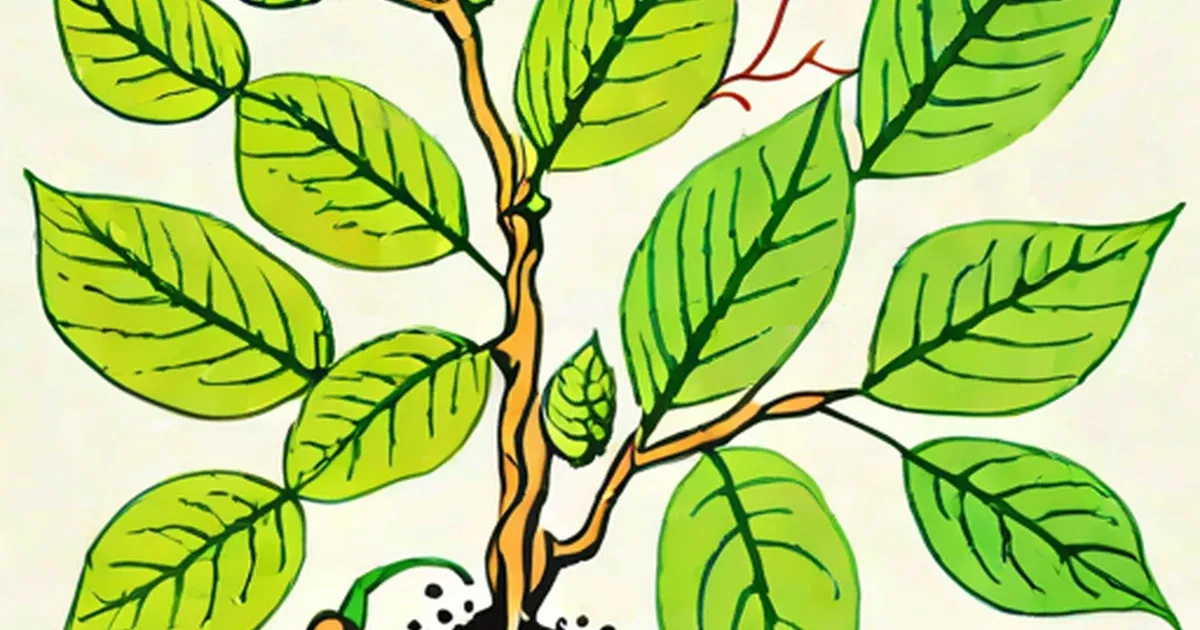
How long does it take for a bean plant to grow? To know about the life cycle of bean plant, read on...
The bean plant or the common bean is one of the most ancient crops that was isolated from the wild for cultivation by the Native American civilizations of South America. A bean can be described as a large seed that belongs to the Fabaceae or legume family. The other members of this family are peas and pulses. The members of the genus Phaseolus are all included under the terminology of bean. Some of the prominent examples of beans are the soybean, lentils, kidney beans, common bean, etc. The bean family is probably the fastest growing family of the plant kingdom. Let’s take a brief look at the life cycle of the bean plant.
Germination of the Bean Plant The process of germination in a bean is rather quick. After the bean has been planted in the soil and is watered, it takes only a week for it to germinate. During this process, a sprout appears on the bean, indicating that the bean is growing into a plant
. The shoot of the plant that emerges is known as the hypocotyl. The hypocotyl resembles a bent hairpin and shoots up in an upward direction.
Growth Stage of a Bean Plant
After the bean plant sprouts in about a week, it starts to grow into a plant. Once the hypocotyl reaches the surface of the earth, it is exposed to sunlight. Once exposed to sunlight, the process of phototropism starts. Due to this process, the bent hypocotyl, straightens out. To reach this stage, the bean seedling needs only six weeks. One can see the plant shoot up out of the soil in these six weeks. At the end of this time period, the plant enters the reproductive stage.
Stage of Reproduction and Flowering The stage of reproduction is, often also, known as the stage of flowering
. During this stage, the flowers start appearing and also fertilizing. After the stage of fertilization is over, the flower starts withering and vanishes after all its petals dry out. When the flower starts withering, the ovaries of the flower, begin to grow into bean pods.
The Green Bean Stage
At this stage, the bean pods are very delicate and green in color. If the pods are allowed to ripen, then they evolve into bulging pods that are full of seeds that are succulent. Many a times, these pods are harvested, when the development of the seeds inside the plant is completed. These seeds are an excellent form of protein and can be consumed raw in large quantities. Around the world, these seeds are used to make delicious, protein-rich delicacies.
A New Bean Plant!
For the purpose of letting the community thrive, some of the pods are not harvested. After they are fully matured, these pods dry up and burst, letting the seeds fall on the ground. These fallen beans in turn germinate and start the process that is known as a seed-to-seed process, which is the annual life cycle of a bean plant. The beans are a legume and require nitrogen for survival, which they procure from the process of nitrogen fixation, that is done by bacteria which are present in the soil.
Nowadays, beans are commonly cultivated all over the world. Their production as compared to crops like wheat and rice is less, but they form an important part of the diet of many cultures throughout the world.