Kalash Tribe
The Kalash is an ethnic group that resides within the Hindu Kush mountain range. The tribesmen inhabit most of the Chitral district of Pakistan. These hardy people are a non-Muslim minority, whose numbers are dwindling since the turn of the century...
The north-west frontier province of the Indian sub-continent is home to the Kalash tribe. These dwellers within the heart of the lofty Hindu Kush are members of the Dardic, an Indo-Aryan race. Today, the tribe is part of much controversy on account of established ethnic characteristics. The Kalash tribespeople are non-Muslims, who follow the dictate that if any Kalash ever converts to Islam, he or she or the family has to leave the tribe. They maintain a strong ‘individual’ identity of language and an age-old culture. However, the Kalash language is now the language of more than 90% sheikhs, the official converts to Islam. The tribe derived its name from the former Kafiristan region, Kalasha.
Culture:
Kalash culture differs among the various ethnic groups. These polytheists are highly spiritual and believe in the power of religious traditions such as sacrifices and festivals to appease the forces of nature. Much of their mythology and folklore are quite similar to those of ancient Greece and the Indo-Iranian traditions.
Language:
The Kalash language is Dardic and part of the Indo-European linguistic family. Kalasha is an independent language and not a dialect of Khowar, as many claim. The language is considered ‘endangered’ by UNESCO, with only about 5000 people now communicating in the language. Oral traditions are now being preserved via the recent Kalasha alphabet created.
Traditions:
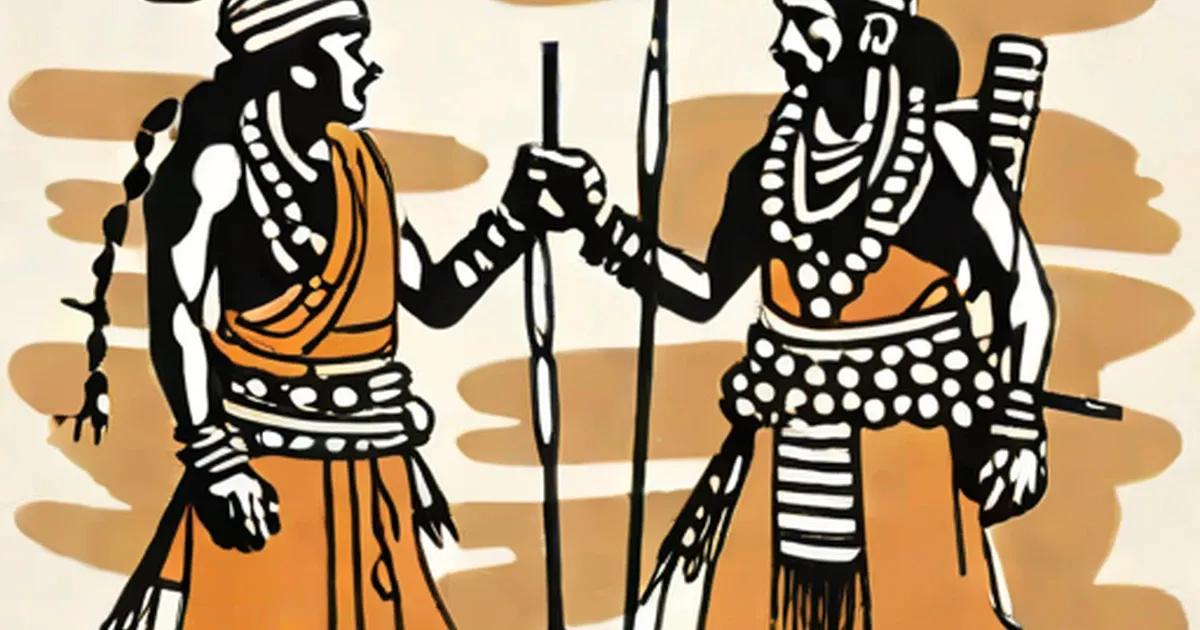
The women wear black robes, embroidered with cowrie, while the men wear a shalwar kameez. The Kalash tribespeople are more liberal towards women, compared to their counterparts in Pakistan. However, their villages do have what is referred to as a ‘bashaleni’, a building constructed for temporary housing of menstruating girls and women and childbirth. Wife-elopement is considered as a custom dictate and a celebration called ‘ghōna dastūr’. Kam or Kalash lineages observe the rite of breaking agnation or ‘tatbře čhin’, the official adoption of affines or clan partners. Each clan has its own shrine dedicated to the familial goddess Jēṣṭak, called the Jēṣṭak-hān.
Festivals:
The Kalash tribespeople celebrate three main festivals: Joshi, in late May; Uchau, in autumn and Caumus, in midwinter. They believe that the god Sorizan protects their herds during fall and winter, while the responsibility is that of god Goshidai, until the Pul or full-moon festival. The most important Kalash festival is Chaumos, a festival that marks the winter solstice. It is celebrated to officially mark the end of all fieldwork and harvest activity. The people indulge in live music and dance and of course, animal sacrifice. At the celebrations, while the declared ‘pure’ men sing songs of the clan’s past, the ‘impure’ resort to passionate and obscene lyrics. During the festivities of Budulak, a prepubescent male child is sent into the mountains to live with the goats during the entire summer. The tribesmen believe that feeding extensively on goat milk makes the boy strong.
Religion:
Kalash religion and belief system strongly resembles those of the Indo-Aryans and pre-Zoroastrian Iranians. They believe in a number of deities, demi-gods and spirits and a whole pantheon. Some of their principle gods are:
- Indr or Varendr: The rainbow and slayer of vṛtra or resistance.
- Jesṭan: Indra’s demon-like counterpart.
- Munjem Malik: Lord of Middle Earth.
- Mahandeo: God of crops and war, and a celestial negotiator.
- Jestak: The goddess of domestic life.
- Dezalik: The goddess of childbirth.
- Suchi: The mountain fairies.
These deities are believed to be appeased with goat sacrifices. The Kalash priests or i’tikavans are protectors of the shrines constructed around wooden or stone altars. Horses, cows and goats are sacrificed regularly.
Wine
is considered a sacred drink and prepubescent boys are treated with great respect.
The Kalash tribe is believed to comprise migrants from Afghanistan and regions of South Asia. The tribe was earlier ruled by the monarch of Chitral and enjoyed cordial relationships with the Kho, a major ethnic group from Chitral. Today, the Kalash tribe lives in peace and harmony, amidst the dictates of its own unique culture and religion. They are now part of a cash-based economy, capitalizing on tourism and trade.