Cuba Facts: Interesting Facts About Cuba
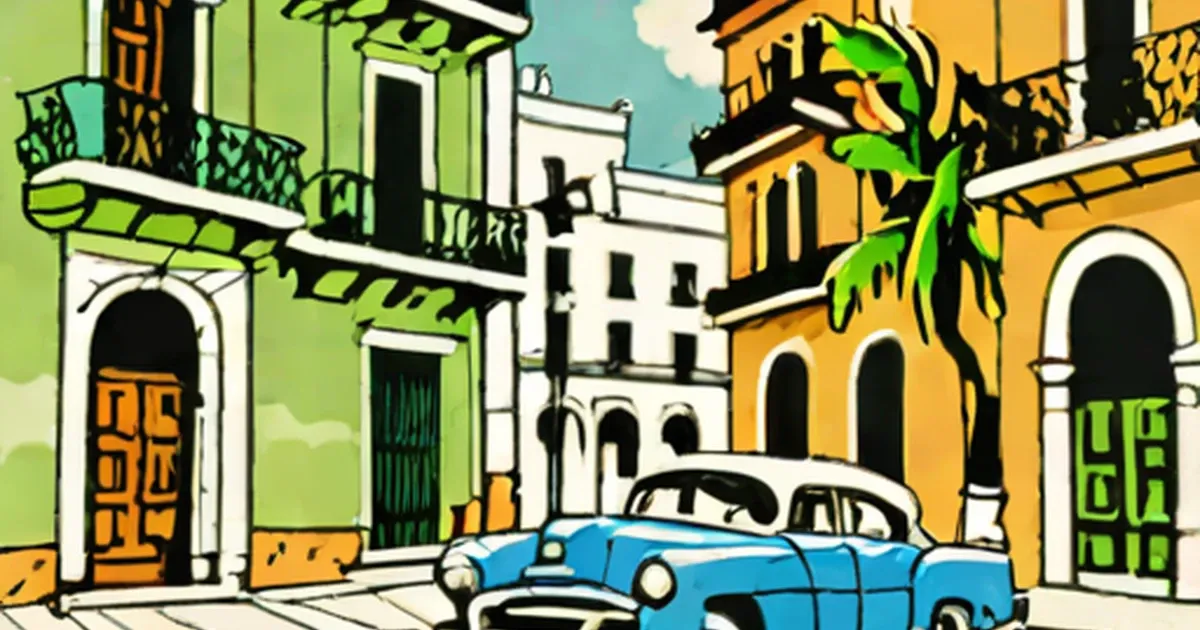
Cuba is a growing tourism destination today. Here are some facts and all about Cuba.
The official name for Cuba is Republic of Cuba. In Spanish it is known as Republicia de Cuba. It consists of the Island of Cuba, the Isle of Youth and some adjacent small islands. The Island of Cuba is the largest of the Greater Antilles. Cuba is located at the confluence point of the Gulf of Mexico, Atlantic Ocean and the Caribbean Sea. To the south is Jamaica and the Cayman Islands. Cuba is west to the Turks and Caicos Island and Haiti. It is to the east of Mexico. It is also south to the eastern United States and the Bahamas. The island of Cuba is the seventeenth largest island in the world by land area. Here are some interesting facts about Cuba.
Cuba is the most populated country in the whole of the Caribbean. The main island of Cuba is surrounded by four other main groups of islands. The four islands are the Carnaguey, the Canarreos, the Jardines de la Reina and the Colorados. The total land area of Cuba is 110,860 kilometers square. The main island of Cuba consists of rolling plains. It has a range of steep mountains at its southeast end, called the Sierra Maestra. The highest point in Sierra Maestra is the Pico Real del Turquino at around two thousand and five meters (2005 mtrs). The capital of Cuba is Havana.
The climate in Cuba is tropical. It is moderated by trade winds. There is a dry season from November to April and has a rainy season from May to October. The average temperature is twenty one degrees Celsius in January and twenty seven degrees Celsius in July. Cuba is home to hurricanes and destructive storms since it lies on the path of violent weather. These hurricanes are most common in September and October.
Cuba has a mixed population, with one percent Chinese, eleven percent black, thirty seven percent white and a major fifty one percent being mixed black and white, mulatto. The female population is 5,580,500 while the male population is around 5,597,233. The birth rate of Cuba at 9.88 births per thousand is one of the lowest in all of the Western Hemisphere. The population rate has stopped in the last few decades, though the total population has increased from seven million to around twelve million since the sixties.
Like its population, Cuba also has a smattering of religions, making it a very diverse cultural place. The most prevalent faith professed in Cuba is Christianity. Cuba also has Protestants, Jews, Muslims and members of the Bahai faith. Another unique religion that is rampant in Cuba is Santeria, a mixture of Catholicism and other African faiths.
Cuba has socialist principles and has a state controlled economy. The major means of production are controlled by the government. Most of the labor force is employed by the state. The private sector is just starting out. The main industries in Cuba are the petroleum, tobacco, nickel, cement, steel, agricultural machinery, pharmaceuticals and the sugar industries. The Cuban GDP is around $32 billion. Cuba's major agricultural products are tobacco, citrus, rice, potatoes, beans, livestock and sugar. The currency of Cuba is the Cuban Peso (CUP).
Cuba is a major tourist spot. Cuba attracts around two million visitors per year. It has a number of beaches, colonial architecture, favorable climate and a rich cultural history to invite tourists from all over the world. It had the most number of tourists all around the Caribbean between 1915 and 1920. Cuba also has a favorable and flourishing health tourism business, which alone generates around thirty million dollars a year for the Cuban economy. It has a wide range of treatments for neurological disorders, orthopedics and eye-surgery. Night blindness is one disorder which is a specialty in Cuba.
The president of the Council of State, the President of the Council of Ministers, the First Secretary of the Cuban Communist Party currently is the First Vice President, Raul Castro.
Cuba is the most populated country in the whole of the Caribbean. The main island of Cuba is surrounded by four other main groups of islands. The four islands are the Carnaguey, the Canarreos, the Jardines de la Reina and the Colorados. The total land area of Cuba is 110,860 kilometers square. The main island of Cuba consists of rolling plains. It has a range of steep mountains at its southeast end, called the Sierra Maestra. The highest point in Sierra Maestra is the Pico Real del Turquino at around two thousand and five meters (2005 mtrs). The capital of Cuba is Havana.
The climate in Cuba is tropical. It is moderated by trade winds. There is a dry season from November to April and has a rainy season from May to October. The average temperature is twenty one degrees Celsius in January and twenty seven degrees Celsius in July. Cuba is home to hurricanes and destructive storms since it lies on the path of violent weather. These hurricanes are most common in September and October.
Cuba has a mixed population, with one percent Chinese, eleven percent black, thirty seven percent white and a major fifty one percent being mixed black and white, mulatto. The female population is 5,580,500 while the male population is around 5,597,233. The birth rate of Cuba at 9.88 births per thousand is one of the lowest in all of the Western Hemisphere. The population rate has stopped in the last few decades, though the total population has increased from seven million to around twelve million since the sixties.
Like its population, Cuba also has a smattering of religions, making it a very diverse cultural place. The most prevalent faith professed in Cuba is Christianity. Cuba also has Protestants, Jews, Muslims and members of the Bahai faith. Another unique religion that is rampant in Cuba is Santeria, a mixture of Catholicism and other African faiths.
Cuba has socialist principles and has a state controlled economy. The major means of production are controlled by the government. Most of the labor force is employed by the state. The private sector is just starting out. The main industries in Cuba are the petroleum, tobacco, nickel, cement, steel, agricultural machinery, pharmaceuticals and the sugar industries. The Cuban GDP is around $32 billion. Cuba's major agricultural products are tobacco, citrus, rice, potatoes, beans, livestock and sugar. The currency of Cuba is the Cuban Peso (CUP).
Cuba is a major tourist spot. Cuba attracts around two million visitors per year. It has a number of beaches, colonial architecture, favorable climate and a rich cultural history to invite tourists from all over the world. It had the most number of tourists all around the Caribbean between 1915 and 1920. Cuba also has a favorable and flourishing health tourism business, which alone generates around thirty million dollars a year for the Cuban economy. It has a wide range of treatments for neurological disorders, orthopedics and eye-surgery. Night blindness is one disorder which is a specialty in Cuba.
The president of the Council of State, the President of the Council of Ministers, the First Secretary of the Cuban Communist Party currently is the First Vice President, Raul Castro.


Use the feedback form below to submit your comments.

Use the form below to email this article to your friends.

- The Partagás Habano House in Cuba
- Jardines del Rey, a Marvelous Cuban Landscape
- Guamá in Cuba: an incredible place in Matanzas Province
- New Year's Eve in Cuba
- US Travel to Cuba – A Guide for American travel to Cuba
- Michael Moore Fights Back Over Cuba "Sicko" Visit
- Sport And Socialism: Cuba And Laos
- Cuba Censors Cyber Critic With Block on Island's Popular Blog
- Cuba Agrees to Sign Un Civil Rights Agreement
- Chávez Talks of Cuban and Venezuelan Confederation
- Cuban Doctors Restore Sight of Che's Killer
- Economic Crisis Boost to Health of Cubans
- US Judge Frees Cuban Wanted Over Bombing
- Miami Cubans Soften Over Us Embargo
- Hilton Hotels Lift European Ban on Cubans
- Congress Trip Could Thaw Cuban Relations
- Cuban Democracy Funds Spent on Game Boys
- Dissidents Blew American 'aid' Millions on Luxuries for Cuba
- Roll Up for Cuba's Finest - Only £233 a Smoke
- Cuban Newspaper Uncovers Widespread Corruption
- Castro's Sister a CIA Spy
- Castro Says Obama Didn’t Go Far Enough in Lifting Sanctions
- Raul Castro's Cuba Changes Spell Uncertainty for U.S. Relations
- Russia and Cuba Look to Renew Old Alliance
- Cuba Eager to Explore Possibilities with Obama
- Cuba Tourism: Facts and Information
- Cuban Revolution Timeline


