Information Processing Model
What are the underlying beliefs upon which the information processing model is based? What fields of study do information processing models pertain to? Let's find out!

Information Processing Theory
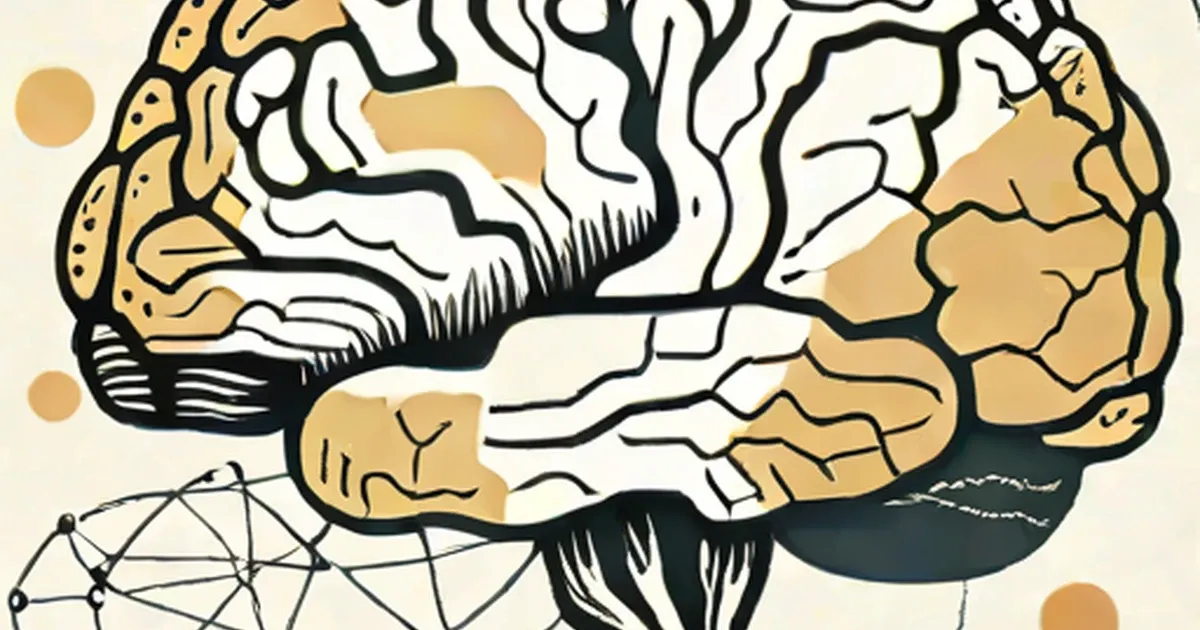
Information processing, as a sub topic of neuroscience and psychology, is included within the purview of cognitive development theory. Cognitive development follows an individual's psychological and intellectual progress from childhood till adulthood and includes such aspects as linguistic skills, information processing model of cognition, conceptual resources, skills of perception, the recalling and thinking process, problem solving skills, etc. Propounders of the information processing theory have equated the human brain with a computer's information processing unit and have suggested that like a computer, the human brain follows certain fundamental steps in understanding and interpreting the world around it.
The perception and understanding of the world around us is not an automatic process, as it might seem, but is a complex process through which the brain takes in external data via the five sensory organs - eyes, nose, tongue, skin and ears - pertaining to the five senses of vision, smell, taste, touch and hearing. These data are in the form of sensory perceptions which are processed by the brain using logic, reasoning and strategies to produce an output which is a consolidation of the interpretation of all the sensory inputs bundled together! You may want to look up some information about the Aaron Beck Cognitive Behavior Theory before proceeding further.
The Four Pillars of Information Processing
There are four fundamental assumptions, the four pillars, which support and hold up the information processing theory including social and cognitive information processing besides the processing models for memory and learning. Let's cast a cursory glance at these four underlying beliefs that uphold the edifice of information processing.
- Thinking: The process of thinking includes the activities of perception of external stimuli, encoding the same and storing the data so perceived and encoded in one's mental recesses.
- Analysis of Stimuli: This is the process by which the encoded stimuli are altered to suit the brain's cognition and interpretation process to enable decision-making. There are four distinct sub-processes that form a favorable alliance to make the brain arrive at a conclusion regarding the encoded stimuli it has received and kept stored. These four sub-processes are encoding, strategization, generalization and automatization.
- Situational Modification: This is the process by which an individual uses his experience, which is nothing other than a collection of stored memories, to handle a similar situation in future. In case of certain differences in both situations, the individual modifies the decisions he made during his previous experience to come up with solutions for the somewhat different problem.
- Obstacle Evaluation: This process is usually employed by psychologists to study the cognitive development in children. This step maintains that besides the subject's individual development level, the nature of the obstacle or problem should also be taken into consideration while evaluating the subject's intellectual, problem solving and cognitive acumen. Sometimes, unnecessary and misleading information can confuse the subject and he / she may show signs of confusion while dealing with a situation which is similar to one he / she was exposed to before, which he / she was able to handle successfully.
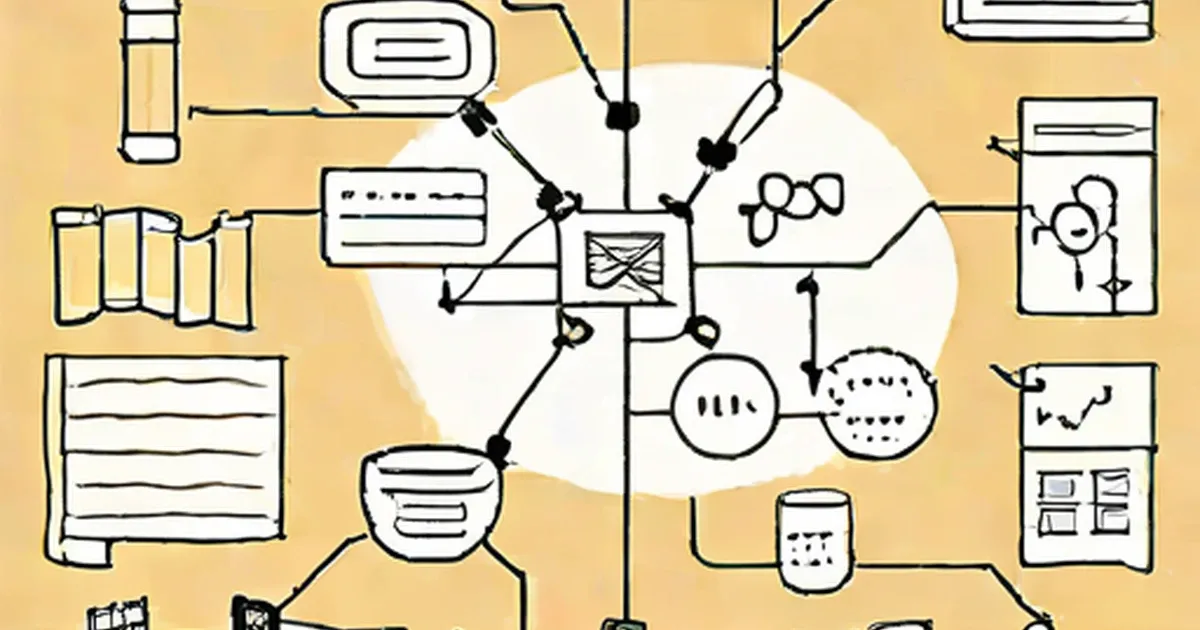
An information processing cycle is a diagrammatic representation of the information processing procedure and theory. The most common and all-purpose information processing cycle has been given below.
| Information Processing Cycle |
INPUT ↓ ENCODING ↓ STORAGE ↓ PROCESSING ↓ ANALYSIS ↓ OUTPUT |
In the above diagram, 'Input' stands for the external data and stimuli, 'Encoding' refers to the process of taking in the various stimuli and 'Storage' pertains to remembering the encoded data. 'Processing' includes altering and modifying the data to suit the brain's interpreting process and 'Analysis' is the step wherein the brain comes to a conclusion, a decision, regarding the data that it has received from external sources. Finally, 'Output' is all those decisions and actions which result owing to how the brain has processed, interpreted or understood the raw stimuli.
That was a snapshot of the model for processing information, as understood from the point of view of psychology and neurosciences, with regards to the cognitive developments and decision-making faculties of the human brain. Any disruption in this information processing process may lead to personality disorders stemming out of the brain's inability to process information either in a non systematic way or by skipping steps in the information processing cycle! Such disorders can be treated by clinical psychiatry procedures such as psychotherapy, behavior modification or Cognitive Behavioral Therapy. Indeed, it is true that all inventions made by man are inspired by either his own anatomy or the universe around him. Computer and its information processing mechanisms and steps are the most prominent examples of how man invented a machine that, he dreamed, would do the thinking for him while he is busy dealing with other material entrapment!
Like This Article?
Follow:

- Abnormal Psychology: Personality Disorders
- Psychology Behind Why People Lie
- Criminal Psychology Careers
- Psychology Test Questions and Answers
- Theoretical Perspectives of Psychology
- Psychology Topics for a Research Paper
- Branches of Psychology
- Brief History of Psychology
- Psychology Topics to Write About
- Attachment Disorder in Adults
Post Comment