Ways to Remove Acne Scars - Getting Rid of Acne Scar
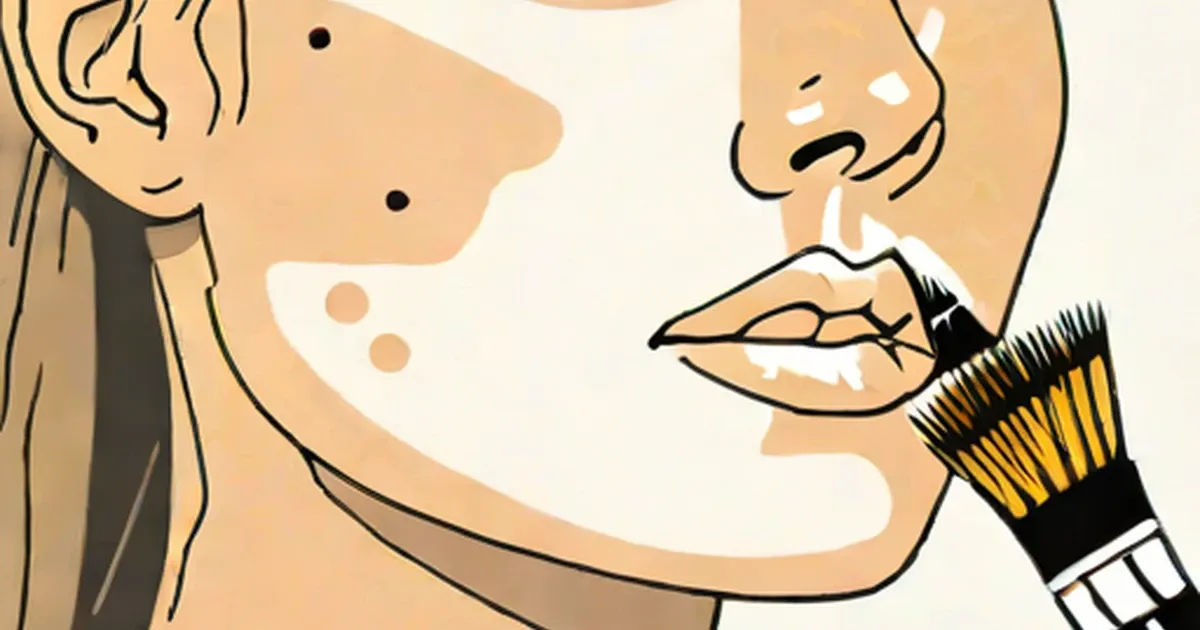
Acne is really problematic even after they subside, as in many instances they leave behind those characteristic acne scars. Though some of these acne scars eventually disappear on their own, others can require cosmetic therapy. To know more about ways to remove acne scars, read on.
Acne is a common skin problem among youngsters, and it can leave behind scars. A scar is the result of the natural healing process that repairs the tissues affected by a wound or inflammation — a process in which several factors, including white blood cells, participate to repair the damaged tissue. Some of the scars left behind can be permanent. Though not all can be eliminated completely, progress in science and technology has produced several techniques that considerably reduce their visibility. Acne scars are generally of two types: hypertrophic scars, caused by an excess production of collagen and appearing as thick, slightly raised lumps; and atrophic scars, which are more common and appear as small depressions in the skin. Here are the treatment options available for getting rid of acne scars.
Cosmetic Ways to Remove Acne Scars
Dermabrasion
Dermabrasion is mainly used for small or minor scars left by acne and surgical procedures. The top layer of skin is removed with specialized instruments such as a metal brush or a diamond-surfaced spinning blade, and when the skin heals within 2 to 3 weeks the scarred area looks much smoother.
Laser Skin Resurfacing
Laser resurfacing is considered one of the most effective ways to remove acne scars. It also removes the outer layer of skin, but with laser beams — generally CO2 or Er:YAG lasers — while the heat produced tightens the inner layers of skin. It stimulates the production of new collagen and is effective even on severe acne scars.
Microdermabrasion
Microdermabrasion is a milder approach than dermabrasion, targeting only the superficial layer of skin (the epidermis). It can be done quickly and needs less healing time than laser resurfacing or dermabrasion. Several methods exist, including crystal microdermabrasion, diamond microdermabrasion and home microdermabrasion systems.
Chemical Peels
Chemical peels use strong chemicals to exfoliate the layers of skin from the scarred area — like an exfoliating scrub, but more effective. As the skin regenerates it appears much smoother. This comparatively mild method is also used for sun-damaged skin and superficial scars, and is best for minor acne scars.
Punch Graft
After anesthesia is applied, a specialized tool makes a hole in the area of skin to be removed, and a skin graft — usually taken from behind the ear — replaces the damaged skin. This is one of the most effective ways of removing deep acne scars.
Autologous Fat Transfer
This method transfers fat from other parts of the body, injecting it beneath the skin of a depressed scar to elevate it and smooth the skin. The transferred fat is gradually absorbed, so the process may need to be repeated.
Natural Ways to Remove Acne Scars
In addition to these cosmetic treatments, several natural remedies help regenerate healthy skin tissue and are effective for mild to moderate scars, though they take time to work:
- Lemon juice — apply with a cotton ball twice a day until the scar disappears; a freshly cut lemon rubbed on the skin also helps clear it.
- Honey — used for centuries to heal wounds and burns; applied several times a day, its antibacterial properties can remove scars within a few months.
- Cocoa butter — applied daily for maximum effectiveness.
- Sandalwood paste with rose water — apply, leave overnight and wash off in the morning; a paste of black gram and sandalwood powder works similarly and lends a natural glow.
- Cucumber juice — applied with a cotton ball, tightens the pores and gradually reduces scars.
- Aloe vera gel or juice — apply twice a day until the scars vanish.
- Raw garlic, neem, or mint-leaf juice — neem contains gedunin and nimbidol, known for their fungicidal properties.
- Vitamin E oil — application can make scars vanish within a few weeks and promotes a healthy glow.
- Blanched green tea — soak a cotton ball and apply to the scar.
- Olive oil or tea tree oil — applied to the affected skin, help heal acne scars naturally.
- Ice — reduces the burning sensation and inflammation associated with acne scars and lightens them considerably.
- Other kitchen remedies include tomato.
Because these methods avoid harsh chemicals, they are a good first option for mild to moderate scars. For severe scars, however, you may need one of the cosmetic treatments above — and you should consult a physician or dermatologist before opting for any of them.