History of the Library of Congress
The Library of Congress was established as a legislative library in 1800, and since then has grown in size and stature, to become an international resource of unparalleled proportions. Travel through history, to explore Thomas Jefferson's legacy the Library of Congress...
and a people who mean to be their own governours,
must arm themselves with the power which knowledge gives.
Madison to W.T. Barry, August 4, 1822
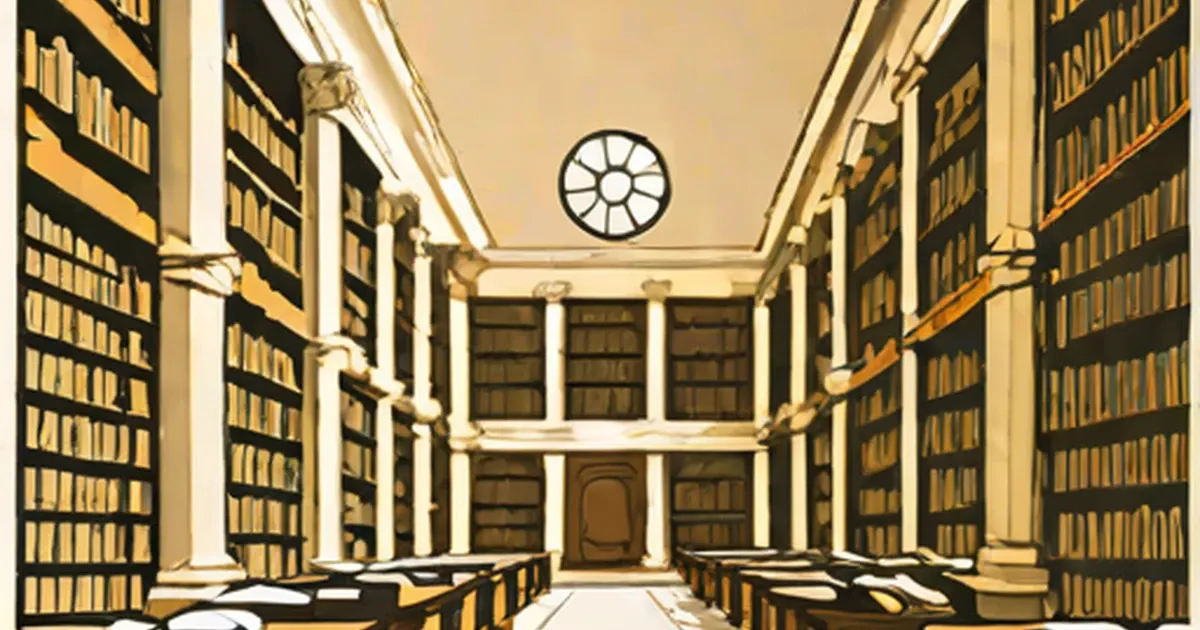
The Library of Congress is the research library of the United States Congress and is one of the oldest federal institution in the country. The huge library collection is housed in three buildings; Thomas Jefferson Building, John Adams Building, and James Madison Memorial Building. It is the largest library in the world, with a collection of millions of books, manuscripts, recordings, photographs and maps. These resources are used by American people and the Congress, as a source for all American history, inquires and knowledge. The Office of the Librarian is the administrative branch of the Library of Congress and bears responsibility for the overall management of the Library. Since 14th September, 1987 James H. Billington is serving as the Librarian of Congress.
History of the Library of Congress
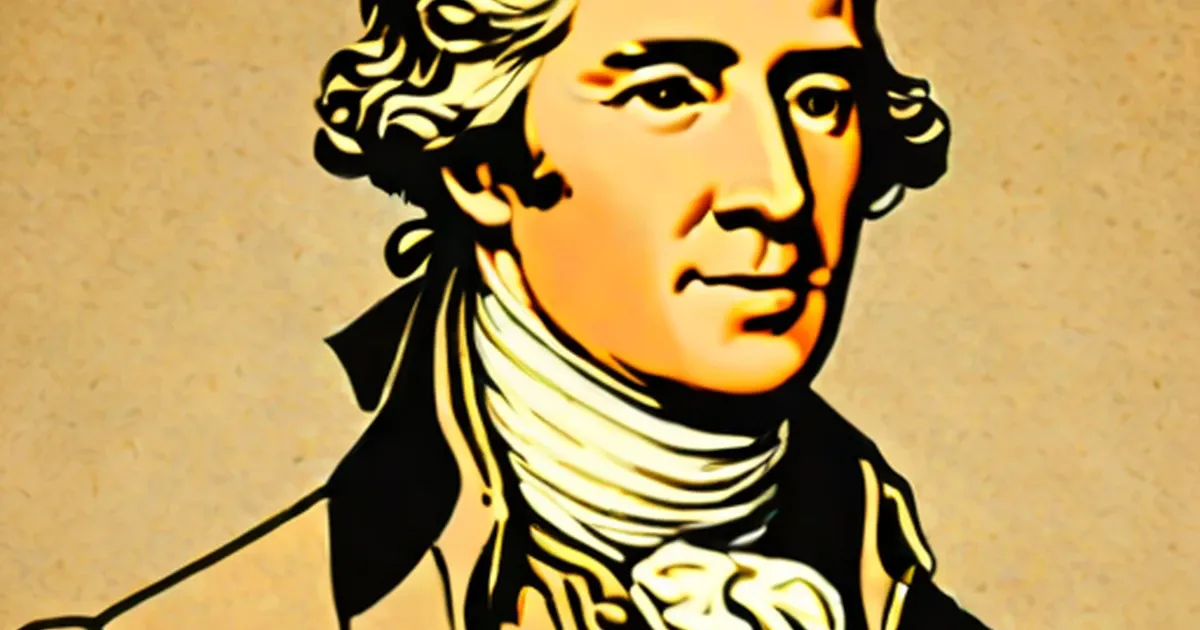
The Library of Congress was established on 24th April, 1800 in the Capitol Building, with the approval of President John Adams, to facilitate the workings and researches conducted by Congress. The varied book collection were bought from London, for a sum of $5,000, with most of them being on the subject of law. Jefferson played a vital role in the formation of the library, as well as the laws to regulate its working. In August 1814, the British troops invaded and set fire to the Capitol Building, destroying the Library of Congress and its early collection. Following which, Thomas Jefferson offered his personal collection, which he had accumulated over a period of 50 years. His collection included books on various subjects of philosophy, science, literature and even foreign languages. He was offered $23,950 for 6,487 books the Library of Congress purchased.
The library went through its own share of tumultuous period when the Smithsonian Institution's librarian Charles Coffin Jewett and the Smithsonian's Secretary Joseph Henry aggressively advocated two different stances on the growth of the library. The former wanted the Smithsonian Institution to become the United States' official national library, whereas the latter was more interested in promoting the Library of Congress as a national library. Joseph Henry's efforts worked better, as he not only dismissed Jewett, but also transferred the Smithsonian's forty thousand-volume library to the Library of Congress.
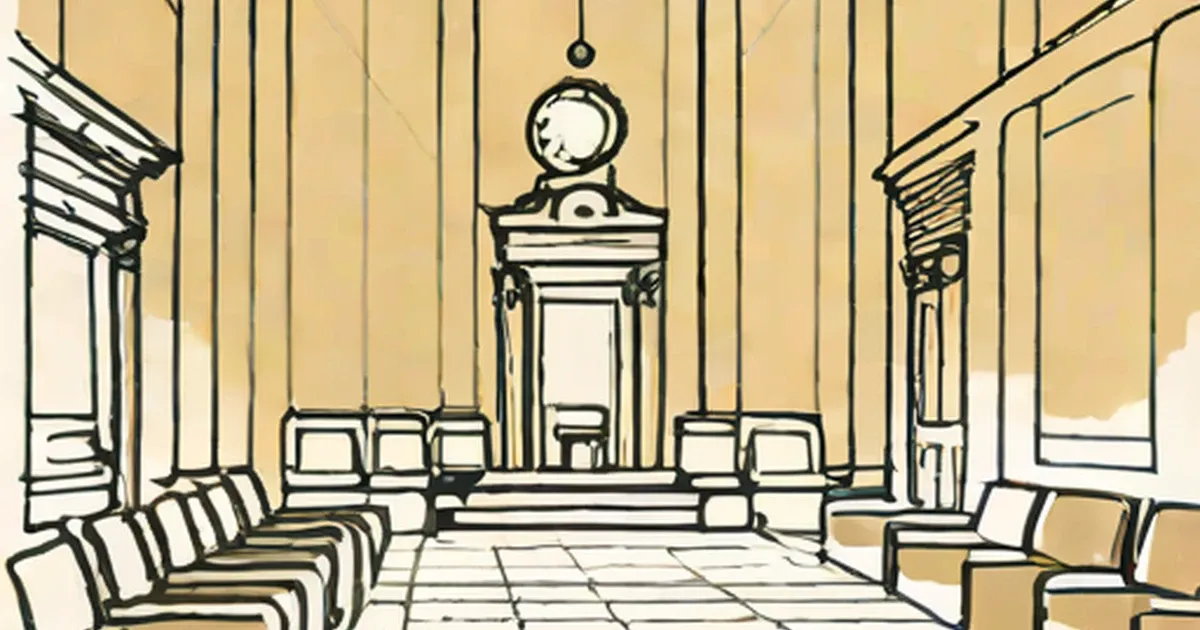
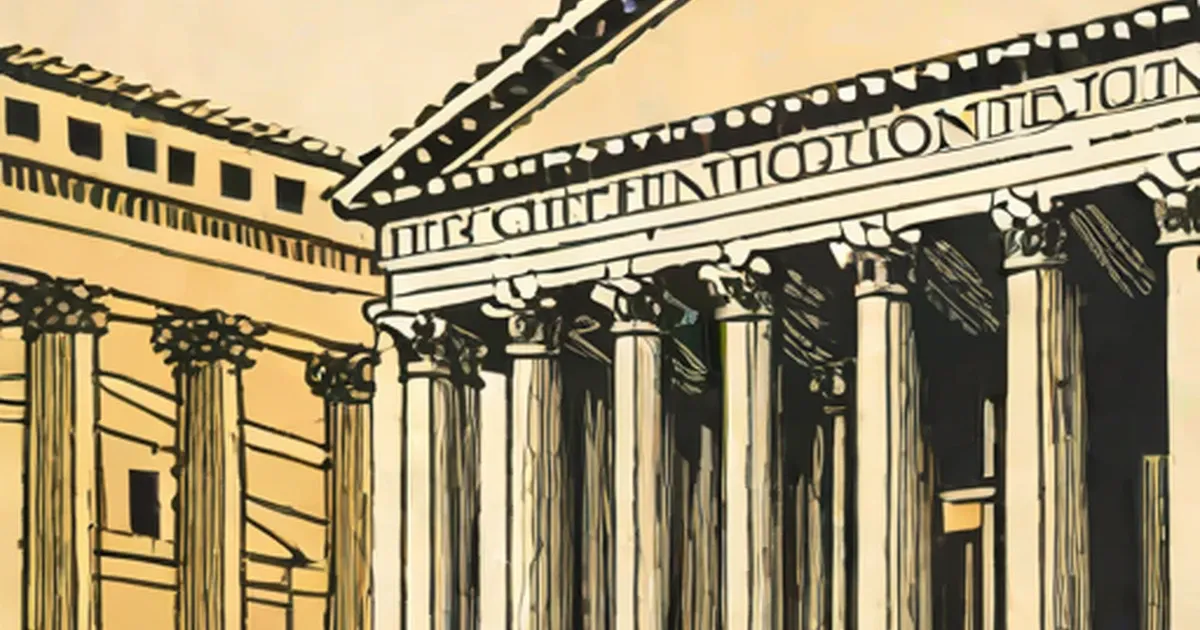
Ainsworth Rand Spofford became the Librarian of Congress in 1864. He was a firm believer in Jefferson's philosophy and concept of universality and the belief that all subjects are important to the library of the American legislature. He turned the Library into a national institution on this very belief. Spofford also pursued the United States Copyright of 1870, which made it mandatory for all copyright applicants to send to the Library two copies of their work. The library was flooded with books, pamphlets, maps, music, prints, and photographs, resulting in a shelf space crunch. To necessitate the need for more space and a place befitting a national library, Congress authorized the construction of a new Library building directly across the east plaza from the Capitol. It was built in the style of the Italian Renaissance and later named the Thomas Jefferson Building. It was designed by Washington architects John L. Smithmeyer and Paul J. Pelz. The construction was completed in 1897 and Spofford completed his tenure as the Librarian of Congress the same year.
The Library of Congress grew in strength and collection, under many other able librarians, each adding unique characteristics, acquisitions and laws to facilitate its growth. One such law was the institution of the interlibrary loan service, transforming the Library of Congress into "library of last resort". As the library grew, expansions once again became a necessity. Congress acquired nearby land and approved construction of the Annex Building in 1938. It was opened to the public in 1939, and acquired its current name, The John Adams Building in 1980, to honor the president who in 1800, signed the act of Congress establishing the library.
In 1957, Librarian of Congress L. Quincy Mumford initiated the process for a third Library building. Congress appropriated $75 million for the construction of James Madison Memorial Building. It was designed by the firm of DeWitt, Poor, and Shelton, Associated Architects. The building is the Library's third major structure and America's official memorial to James Madison, the "father" of the US Constitution and the Bill of Rights, and the fourth president of the United States.
On 14th September, 1987 Ronald Reagan appointed James Hadley Billington as the thirteenth Librarian of Congress, a post he holds till to-date. In 1991, Billington pioneered the use of new technological advancements and the Internet to link the Library to educational institutions around the country. Because of his pursuances, in November 2005, the Library announced its intentions to launch the World Digital Library, by digitally preserving books and other collections, in its fold.
The Library of Congress has a wealth of material that provide sources for research in all developmental, educational and decision making fields. It has over the years developed qualitative universal collections, which document the history and further the creativity and advancement of the American people. Presently the library is home to nearly 103 million things, which include books, films, maps, photographs, music, manuscripts, and graphics. The collection is universal as it has been acquired from around the world and is in more than four hundred and fifty languages. The library has successfully carried and still continues to, acquire, organize, provide access to, maintain, secure, and preserve priceless collections.

Use the feedback form below to submit your comments.

Use the form below to email this article to your friends.

- Timeline of African American History
- America's dream captured in voice and song
- Civil Rights Movement Timeline
- 1960s Civil Rights Movement in America
- Mt. Rushmore History
- Failures of the Presidents
- Exploring an Internet Gateway to the Past Where History Matters
- The French and Indian War
- Slavery in the USA
- History of The 13 Colonies
- The Californios, America’s First Spanish Immigrants
- Bad Arolsen Archive May Reveal Much About Third Reich Sponsors
- Three-Fifths Compromise
- Life in 13 Colonies
- March on Washington Movement (1941-1947)
- History of the American Dream
- Facts about the Thirteen American Colonies
- Slave Narratives
- Battle of Fallen Timbers
- History of the Civil Rights Movement
- Corrupt Bargain Election of 1824
- History of the Pledge of Allegiance
- Women's Rights Movement in The United States
- Summary of the Cold War
- Liberty Bell Facts
- What are the Thirteen Original States
- Who were the Founding Fathers of the United States
- What Countries Make Up North America
- Who was the US President During the American Civil War
- When Was The United States Founded
- Who was the First President of the United States?
- A List of Presidents of the United States of America in Chronological Order
- Causes and Effects of the Cold War
- Famous American Musicians
- US Culture of the 1950s