History of Assistive Technology
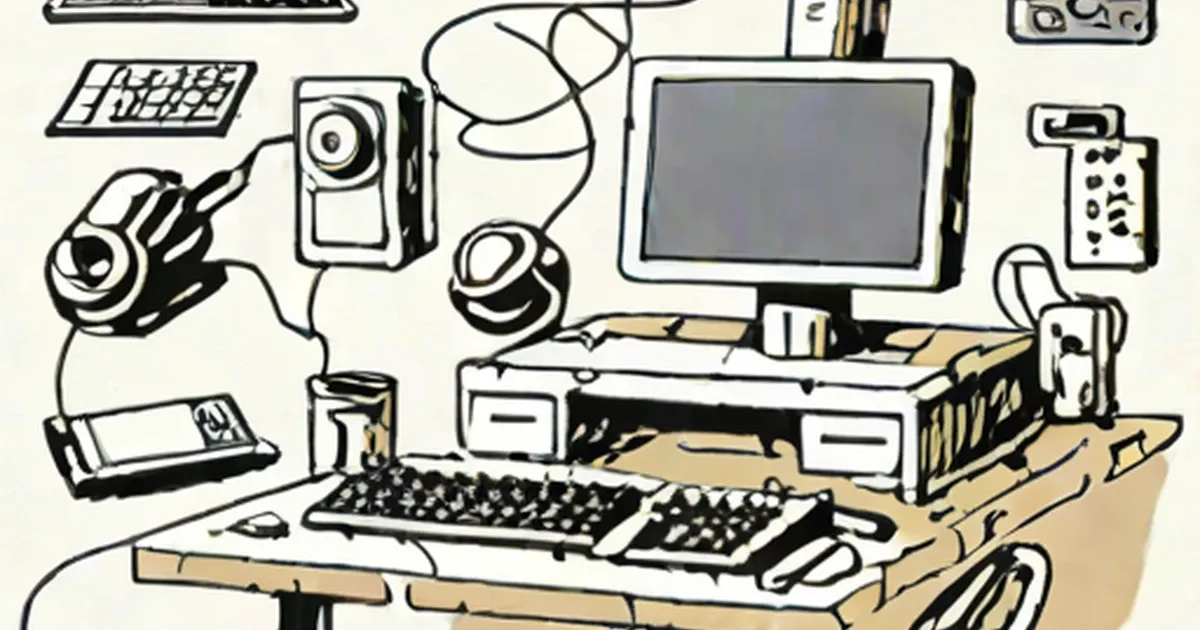
Assistive technology as the name suggests, is the set of all such entities which aid the disabled or people with defects to perform normal functions in life. It also encompasses the study of locating, selecting and using such devices. Read on to know more“
Assistive technology has eased a lot of effort for those who had difficulty in performing conventional tasks. In fact, some people were rendered helpless by their inability to use certain body parts. The use and requirement of assistive technologies highlights yet another aspect of human innovation. A lot of research and development work is put into creating conventional tools for assistance, without much heed to the millions of impaired or disabled people. Moreover, even the existing technological research has a restricted concentration on developing user-friendly devices for individuals who do not have any disability.
There is no fixed series of events that constitute the history of the development of assistive technology. The growth and development of assistive technology is dotted with events beginning in the 19th century. In 1808, Pelligrino built a typewriter to help his blind friend Countess Carolina Fivizzono write legibly. Since then, there have been sporadic attempts to strengthen the assistance provided for the disabled. The use of devices like wheelchairs, hearing aids, and various software applications like voice-assisted computers for the blind have boosted the creativity and ability of a largely dependent population. Perhaps, one of the greatest inspirations for assistive technology was provided by Louis Braille, who developed a language for the blind in the year 1821.
Assistive technology integrates a range of functions within the field which can be challenging and innovative. The invention of the telephone was one of the biggest contribution to the way humans communicated. Assistive technology involved combining this device with a text telephone, known as telecommunications device for the deaf, enabling long distance communication for the deaf people. Televisions, remote controls, calculators come with additional equipment like speech recognition controls making the devices more user-friendly for the disabled.
Telecare electronic sensor technology devices are a whole lot of products that help old and disabled people to stay alone in their houses. These include fall detectors, flooding or light sensors and various alarms for alerting the caretakers. Ergonomic keyboards, foot-operated computer mouse, touch screens and touch pads, learning disability equipment and medical equipment are all examples of the extent to which this technology has evolved.
It should be a constant endeavor of the society to come up with such a technology. In the modern age, a number of factors have made the use of assistive technology more important. These factors are frequent epidemics or war disabilities, requiring frequent assistance of technological innovations. Studies have also proved that the cognitive abilities and IQ levels of disabled people tend to be much higher than humans with no disabilities, since they make much more conscious use of their body and mind. This potential can be harnessed and channelized by constructive use of assistive technology. The disabled population, thought to be as the dependent people until recent times, can become independent and also a valuable human resource. The example of Stephen Hawking, who suffers from motor-neuron disease, is a great example of a genius mind in a disabled body. On being provided assistance through customized assistive technology, he has contributed enormously to the scientific field and is even hailed as modern Newton, despite the limitations he had.
Assistive technology is a big boon for mankind and its use should be popularized and widened in scope to assist and help disabled individuals, not only to be independent, but also to give them the chance to let out their talent and creativity and contribute to the world.