Herring Fish Facts
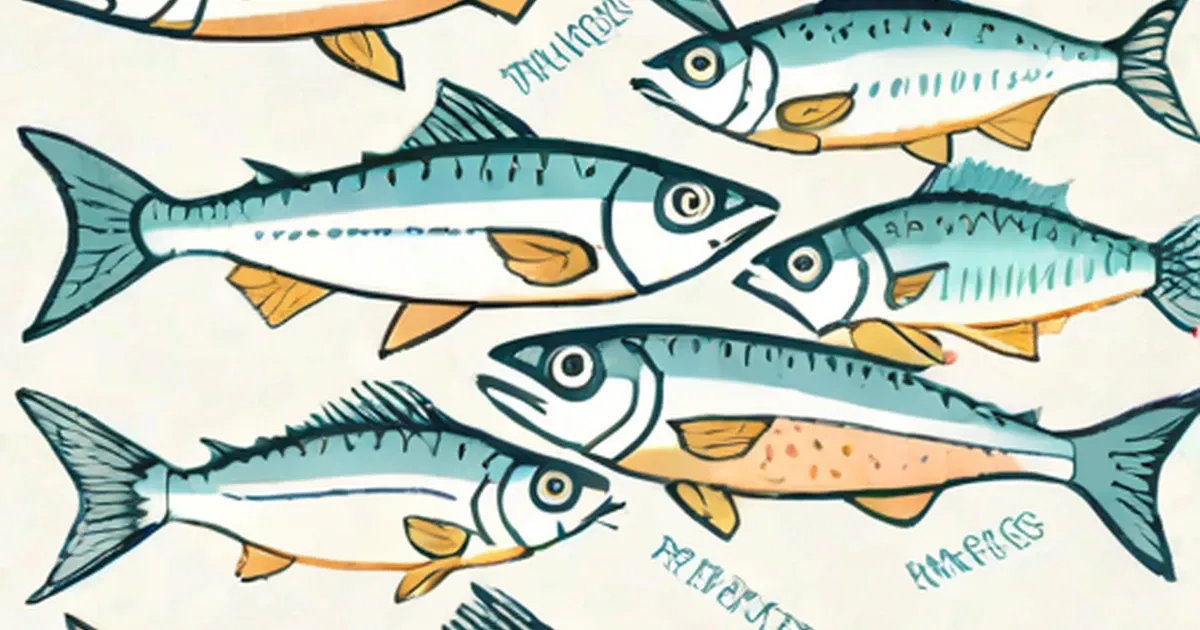
Herring fish are characterized by a small head and a bright silvery, sleek body. They are widely found in the shallow waters of North Atlantic and North Pacific oceans. Discover some amusing herring fish facts with this article.
Herring fish belongs to the genus clupea and family clupeidae. This family is estimated to include around 200 species of fish. Herring fish are relatively small, silver colored fishes, which are abundantly found in the temperate waters of North Pacific and North Atlantic oceans. There are mainly two species of herring, Atlantic herring or Clupea harengus and Pacific herring or Clupea pallasii. However, the name herring is more commonly used to refer to Atlantic herring. Herring fish has several distinguishing characteristics and commercial importance. Here is a brief discussion about some really interesting herring fish facts.
Herring Fish Facts Morphology All the 200 species of herrings that belong to family clupeidae have unique distinguishing characteristics. One such important feature is that they have a single dorsal fin with no lateral line. The dorsal fins do not contain spines unlike other fishes. A few species are found to have pointed scales. Herring fish are also characterized by a protruding lower jaw, that looks like the jaw of a bull dog. These beautiful silver colored fish have a small head and laterally flattened, slender and sleek body.
The flashing silver color of their body helps to conceal them in the surrounding water. Though it provides protection to them against sea predators, the same feature helps humans to catch them. The tail of herring fish is usually bifurcated and looks like a fork. The most common species of herring, i.e. Atlantic herring can grow up to 18 inches in length, while the pacific herring grows to a length of about 15 inches. On the other hand, Baltic herring is comparatively smaller than its relatives and grows to a length of only 14 to 18 cm. The Atlantic herring usually weighs up to 1.5 pounds.
Food
Herring fish thrive on minute organisms like planktons, crustaceans and fish larvae. Phytoplanktons are the main source of food for the young ones, while the adults feed on zooplanktons, like copepods, pteropods and other small cruataceans, fish larvae, small fish and even small animals. One of the most interesting herring fish facts is, that they keep their mouths open while swimming and in the process filter the planktons, which pass through their gills.
Reproduction
Herring fishes are ready for reproduction when they are around 4-9 years old. They have a life expectancy of 12 to 16 years. However, the Southern herring can live up to 23 to 25 years. Mid summer and December are the ideal time for herring to spawn. The eggs, which are deposited on rocks or seaweed,usually take about two weeks to hatch. The young ones generally reach adulthood in about 4 years.
Other Facts about Herring Fish Herring fish are known to swim in groups, which is referred as schooling. They generally move in groups or schools in the same direction to the shore, to spawn and then disperse after spawning. While swimming in vast schools, they provide food to the large predators like whales
, cod, sharks, tuna, dolphins, etc. Herring fish are also known as forage fish, as they are near the base of the food chain and hence, serve as the foods for the predators.
Another important fact about herring fish is that they have been a significant source of staple food for humans since 3000 B.C. They are fermented, pickled, smoked, cured and also eaten raw. Apart from this, herrings are used for manufacturing fish oil. They serve as a good source of vitamin D and omega-3 fatty acids. Know more about
- Fish Oil
- Omega-3 Fish Oil Benefits
- Omega-3 Essential Fatty Acids So,these are some herring fish facts that are not only interesting, but they also help to distinguish them from other sea fish. Herrings are one of the most abundantly found fish, that serve as the food for large predators such as large fishes like dolphins, sharks
, dog fish, cod, tuna, salmon, and halibut, sea mammals like whales as well as sea birds and seals. Even for humans, they have immense economical and commercial importance.