Grassland Biome: Animals and Plants
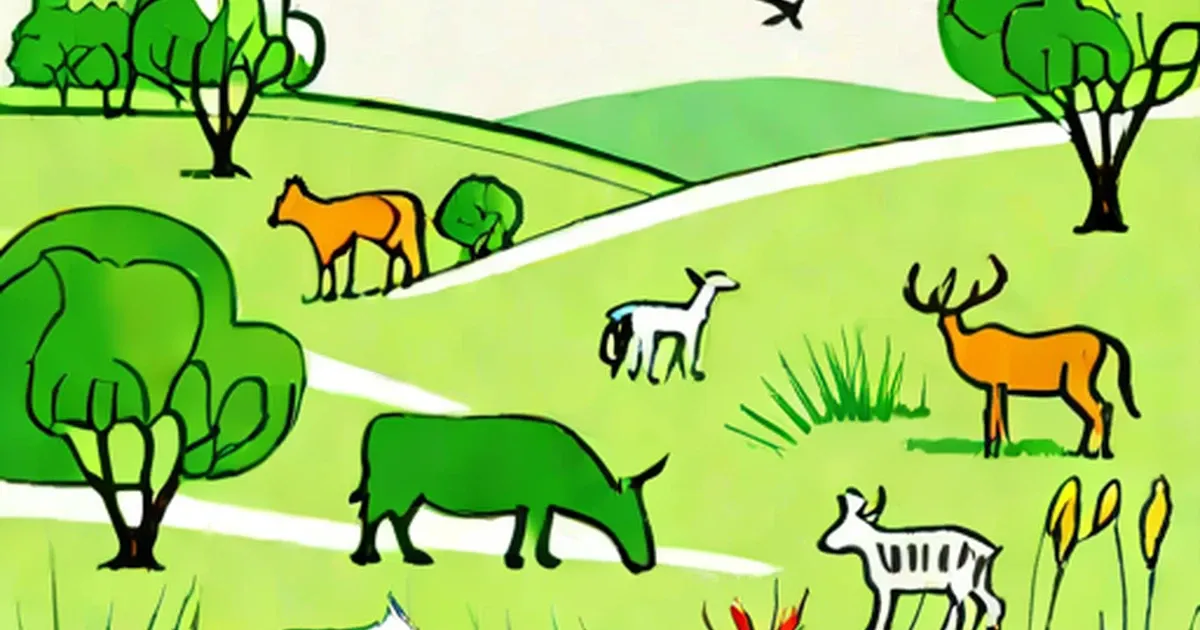
The grassland biome comprises of vast, rolling tracts of land filled with grasses, herbs and flowers. Read more about it here.
About a quarter of the land on earth comprises of grasslands. The grassland biome, in fact, exists in every continent, apart from Antarctica. The grassland biome lies on both sides of the two belts of desert that encircle the earth. The tropical grassland biome, which is nearest the equator, is hot all through the year. The grasslands that are located farther away from the equator, like the prairies in the United States, known as temperate grasslands, have more varied temperatures, being hot in the summer and extremely cold in the winter.
At one time the temperate grasslands covered a large part of the interior region of North America, and this grassland biome was also quite common in South America and Eurasia. When converted to agricultural purposes, these temperate grasslands prove to be highly productive. In fact, most of the fertile agricultural lands in the US as well as the southern part of Canada were originally temperate grassland biomes, which are known as prairies.
The prairies of North America were once home to large herds of bison and American antelopes, which used to be hunted by bears, wolves, and other predatory animals. These animals have largely disappeared now, and most of these grasslands have been transformed into the most productive agricultural areas of the world, which is the reason they are often referred to as the “breadbasket of the world.’ Although they remain grasslands, they are not wild any longer.
So, What Exactly is a Grassland Biome?
Grassland biomes are made up of great, rolling tracts of land comprising of grasses, herbs and flowers. The annual rainfall they receive is between 10-30 inches. If they get any more, they would turn into forestlands, and any less rain would turn them into desert areas. Grassland biomes, in fact, are usually regions that are a transition between the desert and the forest.
Grassland biomes are of two types: areas that are humid and wet, where tall grass grows; and areas that are dry, with colder winters and hotter summers, where short grass grows. For instance, the settlers of North America found both types of grasslands as they journeyed west. On crossing the Mississippi River, they found grass that was very tall, some of them reaching up to 11 feet in height. This region received frequent rainfall and was also very humid. However, on approaching the Rocky Mountains, further west, they came across grasses that were much shorter, because here the winters were colder and there was less rain during the summer season. Hence, these came to be known as short-grass prairies.
Generally, shrubs do not grow in grassland biomes, while trees only grow in stream and river basins. The most striking features of grassland biomes are its continuity and openness, almost seeming like an endless sea of grass. Since the soil in grassland biomes are rich in nutrients, when they are converted to agricultural purposes they prove to be very productive.
Grassland Biomes of the World
Apart from the prairies of North America, there are other grassland biomes in the other parts of the world. For instance, the grasslands of South America are known as the Pampas, and in Africa it’s called the Serengeti. Then there are the steppes of Europe, which is another grassland biome that has been converted into an agricultural area that is highly productive.
There is also a vast grassland area that stretches from Ukraine to Siberia, which has a very dry and cold climate, since there is no ocean nearby, and there are no mountains in the vicinity to block the arctic winds. This grassland biome is called the Asian and Russian steppes.
Plant and Animal Life in Grassland Biomes
When the first settlers in North America began moving westward, they discovered that the prairies, as was the term they used for the grasslands, were not just flat grassy areas. That in fact they consisted of many plant life species, 300 bird species, and about 80 animal species.
Grassland Animals:
Grasslands around the world are home to unique kinds of animal life that can survive in these biomes. Large sized grazers like the bison, as has been mentioned above, used to roam the grasslands of North America, until the settlers hunted them nearly to extinction as they moved west.
All grasslands have the common features of having plenty of grass as food and lacking cover from predators. Hence the types of animals that inhabit the grasslands around the world are similar, being predominantly plant eating or herbivorous ungulates, which are animals that have long legs and hoofs, like deer and horses, which enable them to outrun their predators.
Some of the animals that belong to the temperate grasslands of North America are: coyotes, prairie dogs, gophers, antelope, bison, eagles, wild turkey, Canadian geese, bobcats, the gray wolf, fly catchers, and various types of insects. There are similar animals that inhabit the steppes, such as foxes, falcons, antelopes, and the lynx.
Grassland Plants:
Grasses are the type of plants that predominate the temperate grasslands. Shrubs and trees occur very rarely in this biome. There are several types of grasses that grow in the grassland biome, such as buffalo grass, ryegrass, foxtail, wild oats, and purple needlegrass. Although animals feed on these grasses, they can survive because the point of growth of the grasses is very near the surface of the ground. Besides, they survive even fires due to the underground buds and stems. The trees and shrubs that grow in the grassland biome, on the other hand, are easily destroyed in fires.
There are also many types of wildflowers that grow in temperate grasslands, such as wild indigos, clovers, sunflowers, goldenrods, blazing stars, and asters.