Fuel Tank Cleaning - Gasoline Tank Cleaning

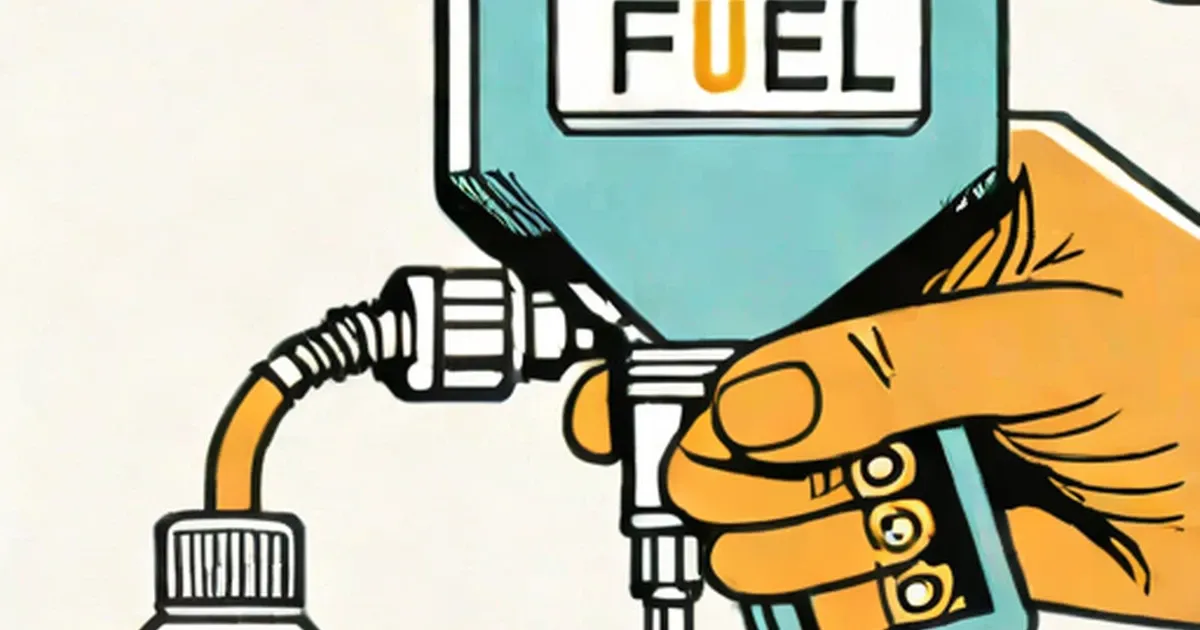
Rust or impurities in the fuel can cause damage to the fuel tank. If your vehicle has been standing in one place for a long period of time, gasoline tank cleaning should be undertaken, before you start using it. Read on further to know about fuel tank cleaning.
Fuel Tank Cleaning - Gasoline Tank Cleaning
Gasoline is used as a fuel for internal combustion engines. Density of gasoline is between 0.67 to 0.77. Gasoline floats on water, therefore gasoline tank cleaning cannot be undertaken with water alone. Some cleanser in the form of an acid or detergent will have to be added to the water. A fuel tank is generally made of steel with tin or lead coating on it. When this comes in contact with oxygenated fuels, they rust and clog the fuel system. Fuel tank cleaning is then required.

Procedure: Gasoline Tank Cleaning
Muriatic Acid is generally used for fuel tank cleaning. It can be procured from pool supply stores. Like any other acid, care should be taken while handling muriatic acid as well. Take care that you undertake the cleaning of the gasoline tank in open air as breathing it is hazardous. When using muriatic acid, remember to use thick rubber hand-gloves and glasses to protect your eyes from the acid fumes. Now that all the primary precautions have been taken care of, lets start with the tank cleaning procedure.
  • Flush out the Contents: Empty the tank of all its contents. You will not be able to remove the tank without emptying it. Make sure you drain out gasoline from all the components, like rubber hoses, petcock, etc., as well.
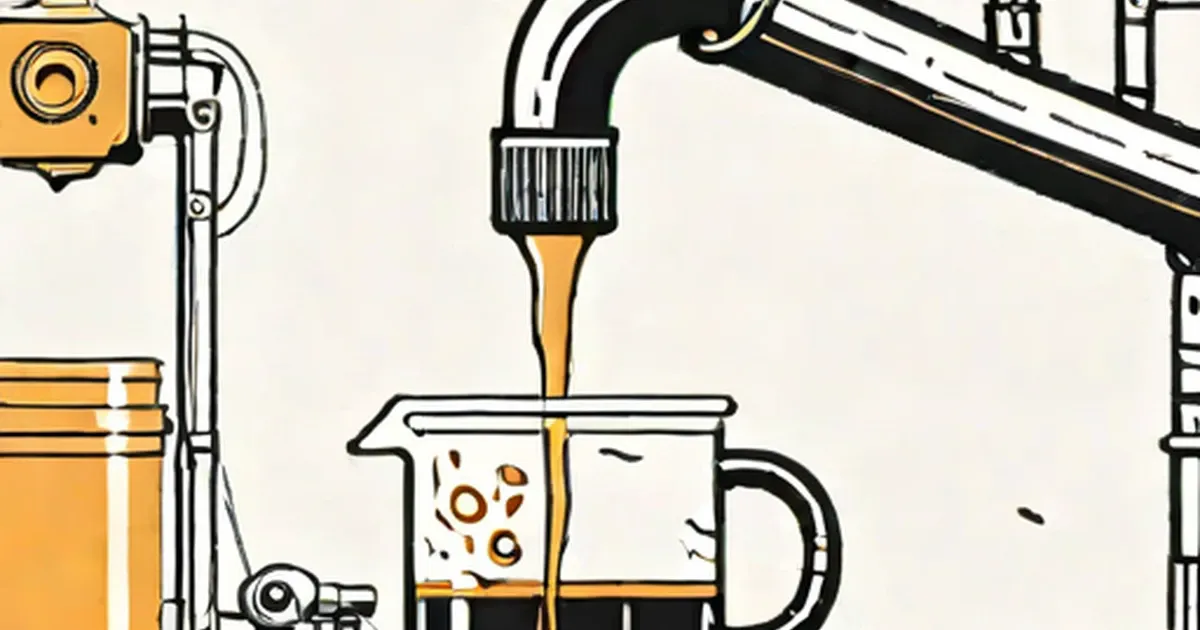
  • Clean the Tank: Use new gasoline and clean the tank thoroughly. This is a part of the pre-cleaning process. You can also shake the tank vigorously with gasoline in it. This will help in dislodging the particles from the farthest corners of the tank. Then, empty the tank in a separate container.
  • Hot Water and Acid Cleaning: Now is the real cleaning step. You will need hot water as much as the capacity of the fuel tank. Fill the tank to half its capacity with hot water. Remember the muriatic acid we just spoke about? Its time to add it to the hot water. You will have to add approximately half a gallon of the acid to the water. Then add in the remaining hot water in the tank. Close the gas tank with a cap, but make sure you do not use the tank cap. Do not disturb the tank for about 2 to 21/2 hours. Let the entire mixture settle in the tank.
  • Dispose off the Mixture: Empty the gasoline tank of the mixture. The mixture contains muriatic acid, hence, be careful while doing so. It is suggested not to dispose off the mixture down a drain or in the dustbin.
  • Clean with Water: Now clean the tank with water thoroughly. You can use a hand pump to spray water in the tank. The pressure of the hand pump will reach to every nook and corner of the tank, thus cleaning it in the process. There can be several rounds of cleaning with water.
  • Dry the Tank: The next step is to dry the tank well. You can use a hair dryer for the same. It means a lot of work. But if you leave the tank to dry on its own, it will take longer. You can use the hair dryer to dry the tank, as the warm air will reach well inside the tank. This is an important step, as gasoline will be filled in the tank soon afterwards.
  • Gasoline Rinsing: After you have dried the tank, rinse the tank well with gasoline. This is the last step in the gasoline tank cleaning procedure.
  • Fill gasoline in the tank: Attach all the components, which you have removed in the first step. Keep a small quantity of gasoline ready, so that the vehicle reaches the gasoline pump station. Now, do not waste any time and refill the tank back with gasoline. It is important to refill immediately, as the tank can start rusting again.
People have started cleaning their vehicle's fuel tanks as they want to adapt their vehicles to the new ethanol mixed biofuel that has hit the market. Many a times, it is also good to perform gasoline tank cleaning to clean any sludge lodged in the tank, so that the vehicle gives better performance.

By Bhakti Satalkar
Published: 7/27/2009
 
Use the feedback form below to submit your comments.
Your Comments:
Your Name:
Use the form below to email this article to your friends.
Recipient Email Address:
 Separate multiple email addresses by ;
Your Name:
Your Email Address: