Wind Erosion
It is known that wind erosion is a natural geological factor, without which the earth wouldn’t be called earth, because this planet too needs some changes. This article covers the definitions, causes, effects and other parameters that comprise this erosion.
Erosion, in general, refers to the wearing away of surface texture. Our natural environment comprises a number of elements that are constantly displaced by external forces like wind, water and ice; while gravity is the major influencing factor, burrowing animals and chemical or physical weathering also contribute. Wind erosion specifically is defined as the transportation and re-deposition of soil particles by wind, which segregates the fine sand and smaller particles from arable land. It usually takes place on land that is bare, loose, dry or finely granulated, removing the finest particles of soil and degrading its fertility. This action is also known as aeolian (or eolian) erosion, named after the Greek god ‘Aeolus’.
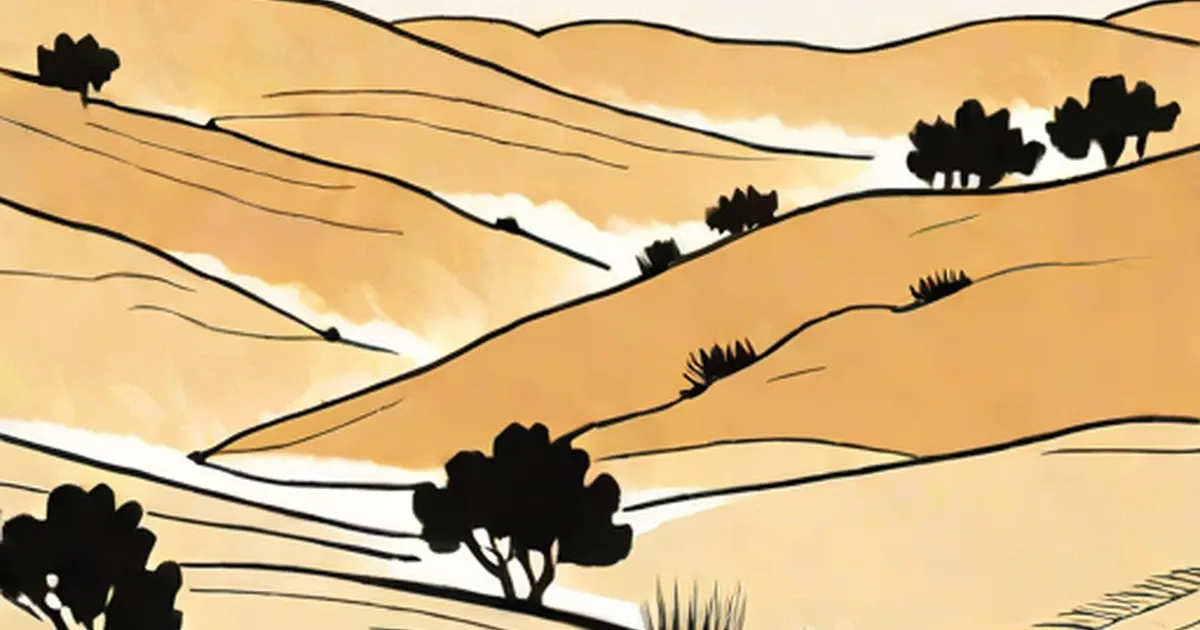
When wind blowing across the sand hits an obstacle, the sand piles up grain by grain into a ridge or mound called a dune. Wind erosion has become a major problem in most parts of the world, worsening especially in arid and semiarid regions. Agricultural practices such as tilling and sowing are disrupted when soil is eroded in large quantities. Australia, North and South America, Africa, and the eastern, central and southern parts of Asia are among the major victims of this loss of ecological balance.
The Causes and Effects
Wind erosion is a natural phenomenon, but it can be accelerated by human influence — particularly overgrazing, agriculture, cultivation, unmonitored construction and urbanization. Deforestation to build a civilization, or clearing land indiscriminately for cultivation, exposes the soil to increased wind erosion. This also affects the microorganisms and other living things deep inside the soil, which benefit humans by helping with soil aeration and land structure. Construction of roads and buildings and wanton deforestation let the wind easily blow away loosened sediment and ground cover, while heavy grazing, slash-and-burn treatments and shifting cultivation expose ground cover, disrupt the habitats of dependent organisms and render regions unproductive. The result is a slow degeneration of the soil: sadly, nearly 40% of available agricultural land is degraded in this way.
Keeping particle size in mind, wind erosion moves material by three modes of transport along the surface — creep, saltation, and short- and long-term suspension (lasting hours to days). The chief factor is wind velocity, and there are two favorable conditions for erosion to occur: meteorological conditions (high wind speed) and ground conditions. If the soil is susceptible, with no residue of crops or plants on it, the texture and organic matter are stripped from the surface, causing a major imbalance between the soil structure and the roots of crops. Many other parameters influence the rate of erosion too — surface roughness, vegetation cover, field size, the duration and frequency of the wind (its velocity, humidity and direction), radiation, rock type, evaporation and precipitation. The removal of sediment from one area and its deposit in another also changes the porosity and permeability of the surface, and detached, airborne particles break up soil aggregates and lower the infiltration rate, causing surface runoff during the monsoons. There is thus not one reason but several interacting elements behind this geological process, and rising global air temperature and precipitation intensities are expected to increase its rate further.
Wind Erosion Examples
- Antarctica — Most of the boulders in this place have been eroded by the prevailing winds.
- Wisconsin — There is a large deflated basin near Spring Green, by the flood plain of the Wisconsin River.
- Michigan — There are coastal (beach) dunes on the shore of Lake Michigan.
- Colorado — The dunes in the Great Sand Dunes National Monument, northeast of Alamosa, are the highest in the U.S., over 200 meters high.
- Nevada — The dunes east of Fallon are formed by sand blown miles across the valley, funneled through a low pass by wind that cannot carry the sand any farther.
There are many aspects of our world that go unheeded. Simple changes in geological conditions can affect us, and sometimes we ourselves are the cause. As this article shows, the growing occurrence of wind erosion is driven by several unnoticed but important factors at work every day, in the very environment we breathe.