Facts about Red Marine Algae
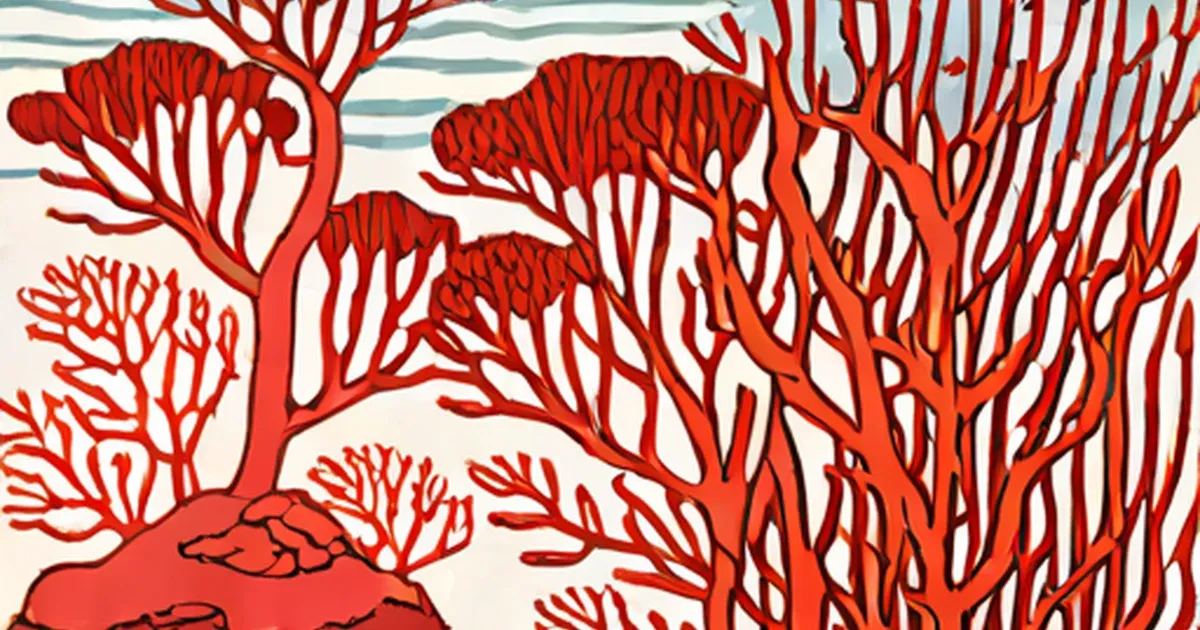
Red marine algae, a type of marine algae are used for treating many diseases, and are believed to be capable of boosting the immune system. Know more about this algae…
Red marine algae or seaweed is well-known for its medicinal properties. Marine algae are classified into three types, green, red and brown. However, all three types belong to different kingdoms as per the biological classification. Red marine algae are found in oceans, and generally referred to as sea vegetables.
Till now, more than 6,000 species of red marine algae have been discovered. They are unicellular as well as multicellular organisms and can resemble plants. Red marine algae belongs to kingdom Protists of the phylum Rhodophyta. They are eukaryotes, i.e., they contain nucleus enclosed by a membrane. The brilliant red color is imparted by a pigment, phycoerythrin; which absorbs blue light, but reflects red light. Besides phycoerythrin, red algae also contains other pigments like chlorophyll, phycobiliprotein, blue colored phycocyanin, carotenes, zeaxanthin, etc. They carry out photosynthesis for producing energy, as chlorophyll is present in their body. Red algae can absorb blue light, and therefore they can flourish deeper than any other algae in the ocean.They are usually red colored, some other forms are blue or green in color. Coralline algae, Irish moss, gigartina are some types of red marine algae.
The earliest written evidence of red marine algae was found in China around 600 BC. It has been used as a food in Asia since ancient times because of its nutritional as well as medicinal properties. Scientific research in this field started only in 1970s. Red algae are rich sources of minerals, carbohydrates, protein, enzymes and fiber. The mineral content in red marine algae has been found to be 20 times more than that of the plants grown on land.
Red marine algae has wide range of medical applications. They are supposed to improve body’s immune system by increasing the immune enhancing white blood cells. This property can be attributed to the sulfated polysaccharides found in red algae. Sulfated polysaccharides are complex carbohydrates that contain sulfur. They stimulate anti tumor agents and interferons, an antiviral protein that prevents the replication of virus. They strengthen the immune system mainly against viral attacks. Recent studies have shown their efficacy in controlling the growth of yeast and the virus that causes herpes.
Red algae is widely used in western countries for curing cold sores. They are the traditional medicine for many diseases like urinary infection, asthma, goiter, disorders associated with stomach, etc. Red marine algae also provides nourishment to the skin, and hence effective in eradicating skin problems like boils. They are also helpful in treating ulcers and tumors. The sulfated polysaccharides present in red algae has been found to be effective for diseases like HIV / AIDS, genital herpes and influenza.
Red marine algae reduces the level of cholesterol and fat in blood. So, they can be beneficial for people who intend to lose weight. Also, the most important fact about them is that they are naturally occurring anti-viral as well as immune enhancing agents. Probably, that is why many Asian countries like China and Japan have been using red marine algae as food since the ancient times. They are still regarded as one of the most beneficial sea vegetables.