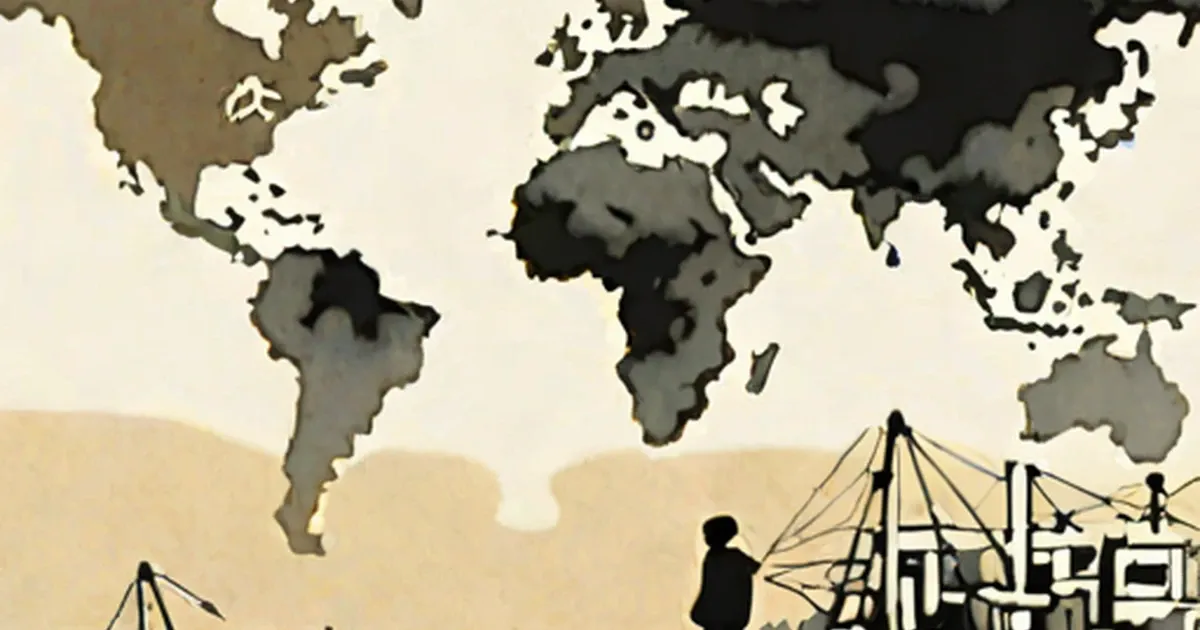
The Encyclopedia Of The Indian Diaspora Documenting One Of The World’s Great Diasporic Movements

Compendium on Indians settled overseas during the past few centuries. First of its kind, the illustrated book documents one of the great overseas citizenry.
The Encyclopedia gives valuable insights into the history, growth and development of Indians around the world highlighting their socio-cultural and political contributions to their adopted lands.

Fiji-born Indian Brij Lal, who is now at the Australian National University, is the general editor of the compendium. Citibank supported the two-year effort of compiling the book with the help of 60 academics and experts, most of them overseas Indians.

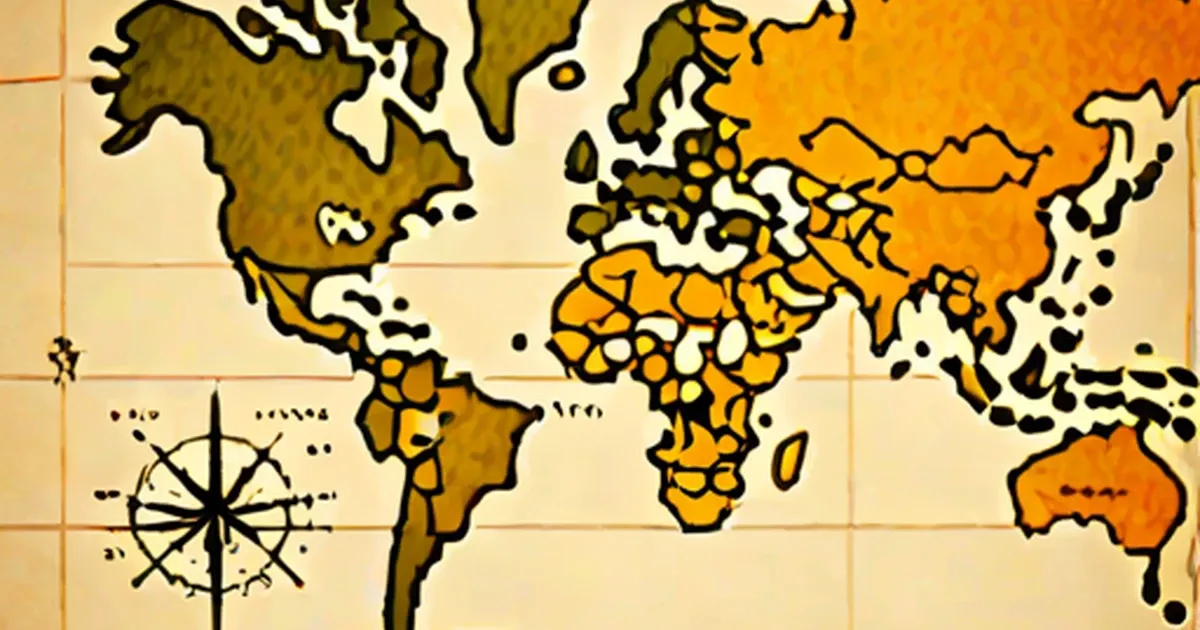
The Indian Diaspora is the third largest in the world after the British and the Chinese. To begin with, this is a very broad canvas of 20-25 million people. The subject is complex as they are a microcosm of the tremendous diversity of peoples and cultures of the subcontinent.

Each contribution, generally in form of an essay, covers comprehensively the historical origin of the community, the conditions and specific features of the migration process, their historical experience in the country's social, cultural, educational and economic change, demographic changes, major events in the life of the community, political participation, the contemporary situation and major challenges at the beginning of the 21st century.

The Encyclopedia of the Indian Overseas is thought to be a major reference for policy makers, scholars, researchers and students.

CONTRIBUTORS
Some 60 contributors have come together for this project. The majority are academics who have already contributed to understanding of the Indian diaspora.

Besides the editors, the contributors include: Binod Khadria, Irudaya Rajan, Surendra Bhana, Goolam Vahed, Clem Seecharan, Josephine Naidu, Knut Jacobsen, Urmila Goel, Martin Baumann, B.A.Prakash, Igor Kotin, Rajinder Dudrah, Sushma Raj, Vijay Mishra, Ruben Gowricharan, Ajay Dubey, Kripa Sridharan, Rajend Mesthrie, Medha Kudaisya, Natasha Pairaudeau, Vineeta Sinha, Vijay Devadas, Verne Shepherd, Virender Kalra, Ulrike Niklas, Tilman Frasch, Ting Maung Maung Than, Scott Levi, Rosemarijn Hoefte, Rosa Maria Perez, Gopinathan Nair, Gijsbert Oonk, Kusha Haraksingh, Nathan Katz, Michael Pearson, Jacqueline Leckie, Irena Knehtl, Gyanesh Kudaisya, Frederic Angleviel, Faizal Yahya, Elena Soboleva, Clare Anderson, Caroline Pluss, Brian Stoddart, Bilveer Singh, Amarjiva Lochan, and Amarjit Kaur and Terenjit Sevea.

CONTENTS OF THE ENCYCLOPEDIA
The Encyclopedia of the Indians Overseas is divided between thematic discussions of immigration and the formation and experience of the diaspora, and studies of Indian communities in the diaspora, which take up two thirds of the volume.

Part 1 situate the diaspora in its subcontinental context, along with its ‘Civilisational linkages.

Part 2 examines ‘Travel And Migration In Indian History’ including patterns of modern migration and the social content of migration.

Part 3 looks at the ‘Processes And Institutions Of Migration.’

In Part 4, the authors explore ‘Indian Cultural Life In The Diaspora' including religion, the arts and sports; living and working conditions; business cultures, and family structures.

Finally, Part 5 examines the history and the treatment of ethnic Indian communities in individual countries throughout the world covering the communities in Southeast Asia, Middle East, Central Asia, the Americas, Australasia and Oceania, Europe, East Asia and the Indian Ocean and Africa.

Each article on an individual country provides an overview as well as the demography, history, economic and political positions, and cultural and educational activities of the country's Indian population.

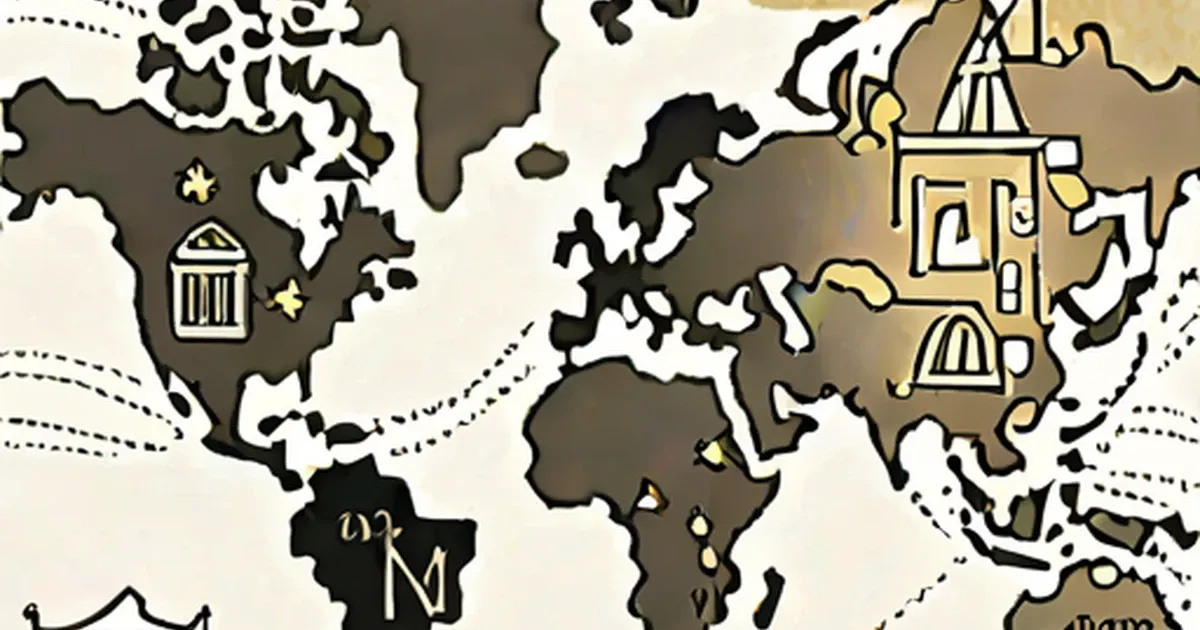
In addition there are archival and modern photographs of people, costume, buildings, cultural traditions, and economic activities, documents, artifacts - as well as a comprehensive array of maps, diagrams and important statistics.

The photographs convey a sense of period and a sense of place, so reinforcing the themes that emerge from the text - demonstrating not only what members of the Indian diaspora have in common with one another, and with India itself, but also what has come to differentiate one community from another.

The large and expanding diasporic communities represent a social transformation of global significance. The book gives deep and enriching insights into the actual lived experience of the Indian diaspora, which is nearly 20 million strong. There is hardly a single country in the world which does not have an Indian community.

The Encyclopedia offers valuable insights into the history, growth and development of Indian communities around the world. The 400-page volume gives comprehensive coverage of the worldwide spread of communities that set out to maintain their ‘Indianness’ in a range of ways—in music, language, religion and dress.

There emerges a sense of the activism of these diasporic communities and of the contributions they have made both to their host countries and internationally in areas as diverse as literature, cuisine, popular culture, sports and political life, all of which are covered extensively through the book’s contextual features. The striking resilience of Indian communities in very diverse host societies—North America, the UK and Europe, Southeast Asia, the Caribbean and Australasia—is demonstrated in over 60 country/region profiles.

INDO - SOUTH ARABIAN - YEMENI LINK
Yemen has been integrally linked to South East Asia over the course of many centuries. Geographically and socially diverse, one may trace this diversity through the cultural interactions and hybrid architectural fabrics of various regions. Foreign, most notably Indian styles, and ornamental features have been introduced as typological and aesthetic changes. At the same time, traditional constructions techniques were flexible enough to incorporate new development.

In this way Yemeni architectural history represents a dialogue between cultures both within and outside, most notably with Indian sub-continent. The hybrid architectural fabric of Tarim, in Hadhramaut, and the early 16th century Al-Amiriya madrasa in Rada, probably the most over decorated building in Yemen, are good examples of this cultural dialogue with India.

India has a long-standing mercantile connection with Western Arabia, notably Yemen, as a part of the ancient network in the Arabian Sea and in the Indian Ocean. When the army of Alexander the Great conquered the Island of Socotra, an island off the coast of Somalia, which belongs to Yemen, it was reported that Indians were living on that island. The famous work Periplus of the Erythrean Sea, a first century Greek guide for sailors mentions that Indian ships used to stop over at Socotra from the east African coast to Yemen on their way to and from India. .

There is much evidence of contact between the Middle East, the Yemeni ports and the Indian sub-continent. Yemen still supplied Byzantium and Iran with the goods from the Indian Ocean region and Yemeni and Indian traders increased their activity to and from the Indian sub-continent. This commercial interest in turn reinforced the activity of Indian merchants in the Arab Sea, notably, Yemen, who acted as middlemen for Indian trade with the Roman Empire. Ships from Indian ports crossed the Arab Sea, and touched at the ports of Southern Arabia, and Aden and proceeded through Bab AlMandab the waters of the Red Sea, touching Jeddah and Berenice.

In the Indian sub-continent a major process of cultural exchange was taking place prior arrival of the Portuguese. The merchants of Gujerat, Malabar, Coromandel and Bengal looked suddenly west, towards the Red Sea and the Persian Gulf. Hindu merchants were to found all through the Middle East and in all major Yemeni ports, Mukalla, Shihr, Aden, Mokha in the seventeenth and eighteenth centuries. In the north of India, the Islamic influences were absorbed into the Indian cultural spectrum.

Within the Indian sub-continent Muslim power was rapidly increasing particularly in areas which produced Indias greatest export item: cotton cloth. The contacts were intensified with the Haj route from India running through Yemen. For pilgrims coming from Indian sub-continent a station was arranged on the Yemeni island of Kamaran in the Red Sea, off Hodaida port, south of Jeddah.

Even though the history of Indian Diaspora in Yemen dates back to the pre-Christian era, large-scale emigration of Indians to Yemen took place mainly in the 19th and 20th centuries as laborers, traders, professionals and employees of the British government in Aden, a governorate in the present Republic of Yemen. During the nineteenth century Britain emerged as the dominant power in the Indian Ocean region, and acquired a huge territorial empire among which also the Yemeni port of Aden.
The British developed various types of labor-intensive economies, which lead to large migration of Indian labor. Other types of economic activity attracted yet more settlers from the Indian sub-continent.

The Aden Port not only had a deep influence on the trade and commerce passing through the Red Sea, Persian Gulf and the Indian Ocean, but provided a natural harbor for developing a naval base for the imperial defense. In consequence, Indians not only played an influential role in the Colony’s commercial life but held nearly all the posts not reserved for the British in its administration. Economically controlled by Bombay Presidency till 1939, the Indian rupee was the official currency there till 1951. Commercial importance of the Aden Port owed a lot to the entrepreneurial skills of Indian community there, Parsis and Gujeratis, who migrated to Aden in large numbers during the British colonial rule.

In the immediate post-war period Aden’s economic activity expanded greatly due to the general upsurge in world trade and more specifically, to the expansion of Aden port stimulated by the increased tanker traffic to and from the oil fields of the Gulf. Except for the brief period of 1956- 1957 when the Suez Canal was closed, the port of Aden continued to expand throughout the 1950s and in 1958 was the busiest harbor in the world after New York. Moreover, as the only sovereign British base in the Middle Ast, the Colony offered security to foreign investors. The local trading agencies made vast profits out of the shipping boom and the increase in port traffic, and most expanded their businesses in new directions. The Aden government, and especially the British armed forces, added to the boom by building hospitals, schools, barracks, housing and shopping facilities for the military personnel. Thus a tremendous amount of new labor was attracted to the Colony to execute those projects, an estimated 40.000 laborers, mostly Indian. .

Today people of Indian origin (an estimated 100.000) are concentrated in southern part around Aden, Mukalla, Shihr and the Lahaj province, port of Mokha and Hodeidah.

Yemen is aware of Indian capabilities and India of business and investment opportunities offered by Yemen. Fields of cooperation and investment include telecommunications, highways and bridges, civil engineering, water management and irrigation schemes, education, health, oil and gas, mineral exploration, power projects shipping.

The Aden Free Zone will be an important base for the Yemeni economy once the industrial and ware housing sectors become operational. Already some 300 Indian expressions of interest for investment were received by the Yemeni government, interested in setting up industrial manufacturing, packaging, warehousing units. There is also a considerable interest in setting up small scale industries with Indian collaboration in the field of providing know-how, manufacture and marketing for export of consumer durables.

CULTURE
Mohammed Jumaa Khan is considered one of Yemen’s greatest singers, who enriched Yemen with countless songs that are still sung today not only in Yemen but in the region. Born in 1903 in Qarn Majid in Wadi Dawan, Hahdramaut to a Indian father, a soldier whose army was summoned by Sultan AlQuaiti to establish power in the Hadhramaut region, and a Yemeni/Hadhrami mother.

Hadhramaut is the coastal region of the south Arabia, on the Gulf of Aden in the Arabia Sea, extending eastwards from Yemen to the Dhofar region of Oman. Historically, the name refers to the Hadhramaut sultanates, a collective term for the Quaiti and Kathiri sultanates, which were loosely under a British protectorate of South Arabia, guided by the British resident at Aden, until 1967. The northern edge of the Hadhramaut slopes down the AlRub alKhali desert of the Empty Quarter. Hadhramis harvest crops of wheat, millet, tend date and coconut groves, and grow some coffee.

Young Khan loved music and used to sing since his childhood. He learned from singers how to sing and play various musical instruments. He was appointed as member of the Sultans music band, and became later its leader. After his retirement he moved from place to place in Hadhramawt and used to sing his songs to people. He recorded many of his songs on phonographs disks, the only available means of recording then. He is credited for revival the traditional Hadhrami songs and ballads. His songs and text derive from the local rhymes of daily life and dances.

Khan passed away in 1964

Further reading
Mohammed Jumaa Khan, the Eternal Hadhrami Song by Aziz Al-Thalebi, introduction by dr. Abdullah Al-Barr, professor at the Faculty of Arts, University of Sanaa, Yemen. Published in 2005 by the Ministry of Culture in Sanaa, in the Sana`a Arab Cultural Capital book series, Arabic.

The Encyclopedia of the Indian Diaspora, General Editor, Brij V.Lal, National University of Singapore, published by Editions Didier Millet. 2006, www.edmbooks.com

REVIEWS
Movements of people to create diaspora communities have been one of the fundamental building blocks of our modern world. Among these movements, that of Indians out of South Asia has been particularly striking in its range and impact…. Professor Judith Brown, University of Oxford.

Coming at a time when the Indian diaspora is emerging as an important community influencing global changes, this encyclopedia will go a long way towards documenting the various cultures and histories that have gone into its making…. Professor Dipesh Chakrabarty, University of Chicago.

We know that we live in a globalizing world, but do we know fully how that world has been globalised? The Encyclopedia of the Indian Diaspora documents one of the world’s great diasporic movement….. Professor, Emeritus Frank Conlon, University of Washington

This volume seeks to promote "a more nuanced understanding of the enormous diversity of the Indian diaspora" which has resulted. It does so magnificently. Emeritus Professor Anthony Low, University of Cambridge.

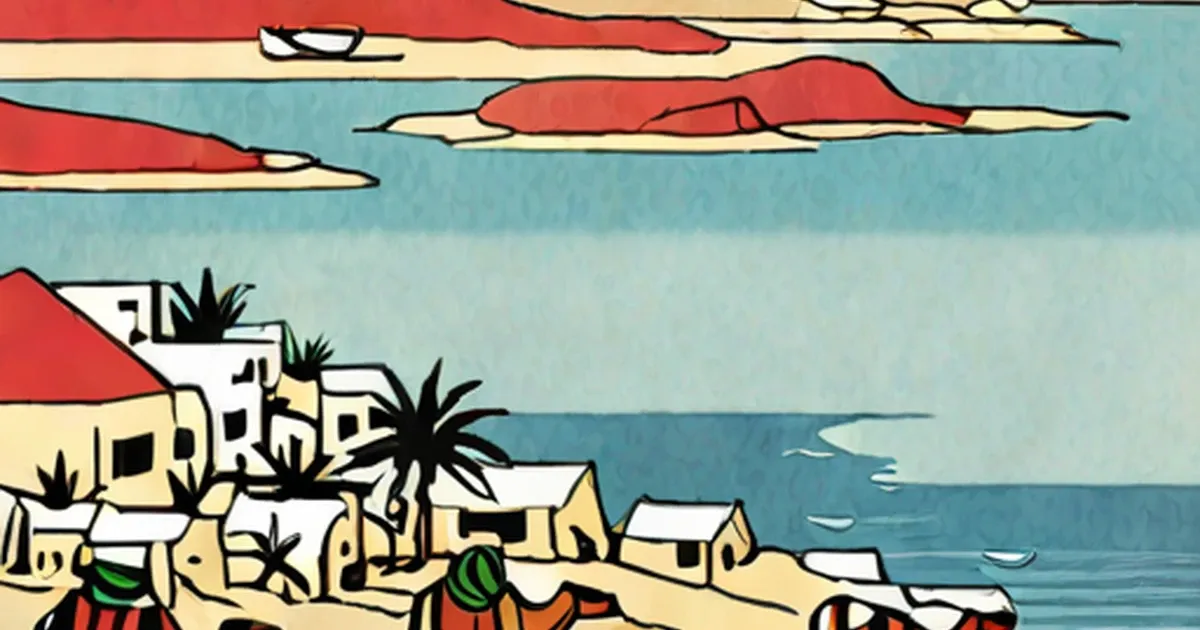
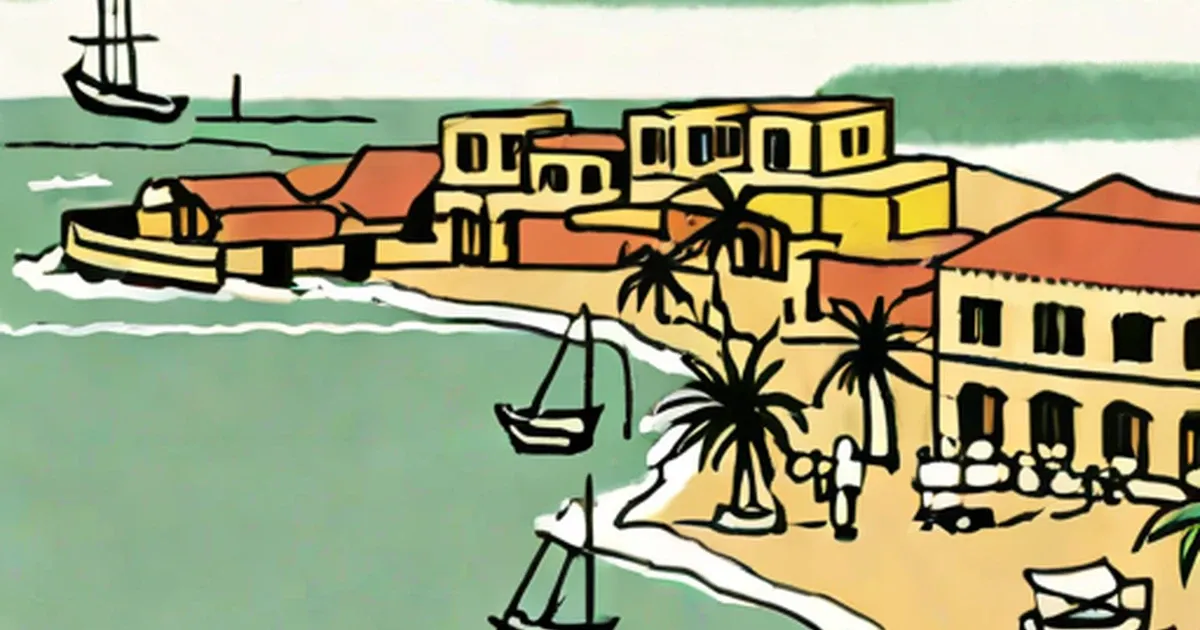
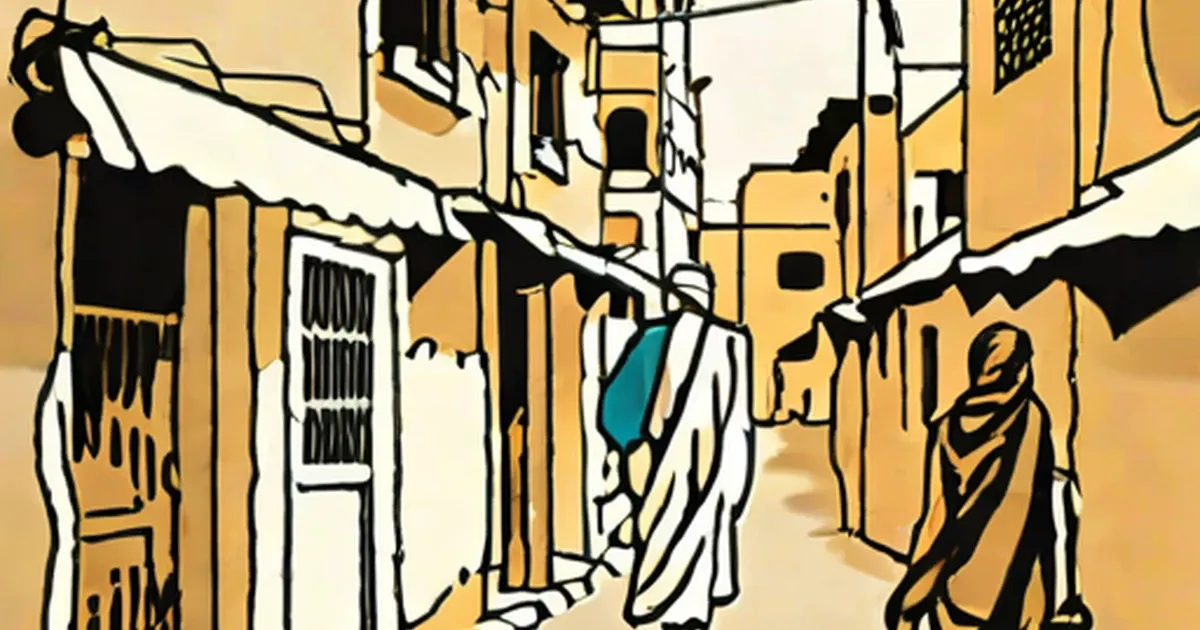
PICTURING The Yemeni port Mukalla on the Arab sea
   By Irena Knehtl
Published: 2/19/2007
 
Use the feedback form below to submit your comments.
Your Comments:
Your Name:
Use the form below to email this article to your friends.
Recipient Email Address:
 Separate multiple email addresses by ;
Your Name:
Your Email Address: