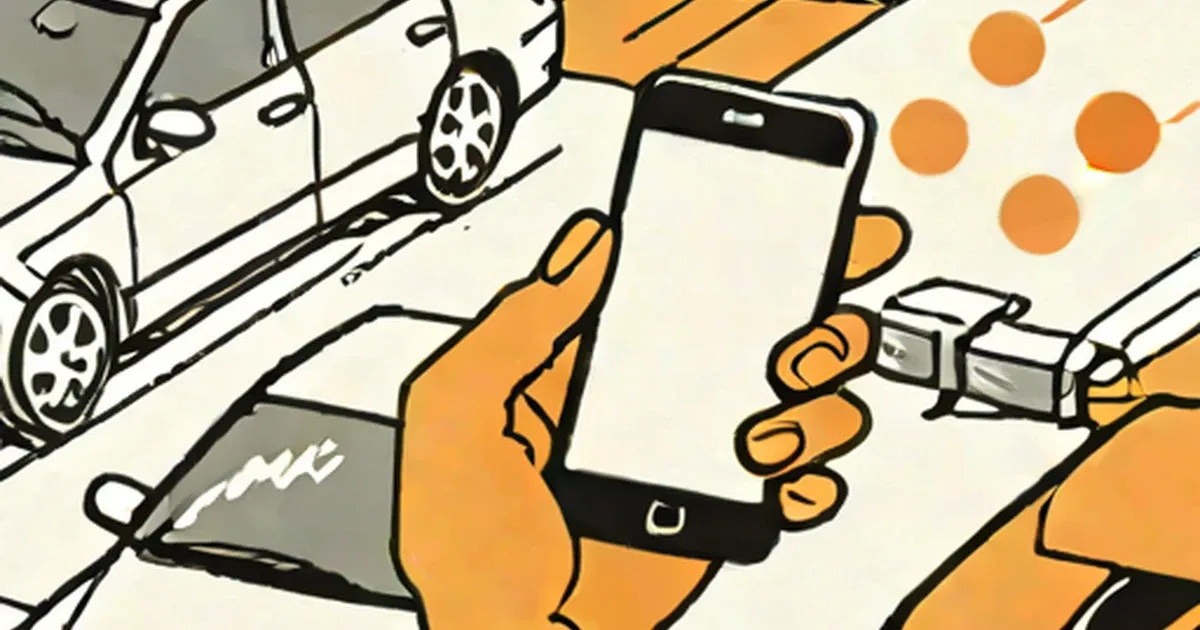
Electric Car Engine
An electric car's engine can be one of the answers to the slogans we keep hearing everywhere; like 'recycle, reuse, protect Earth', 'go green', and my favorite, 'save the trees, use both sides of toilet paper'. Keeping this idea in mind, this article talks about the specifications, conversion and how to build an electric car engine...

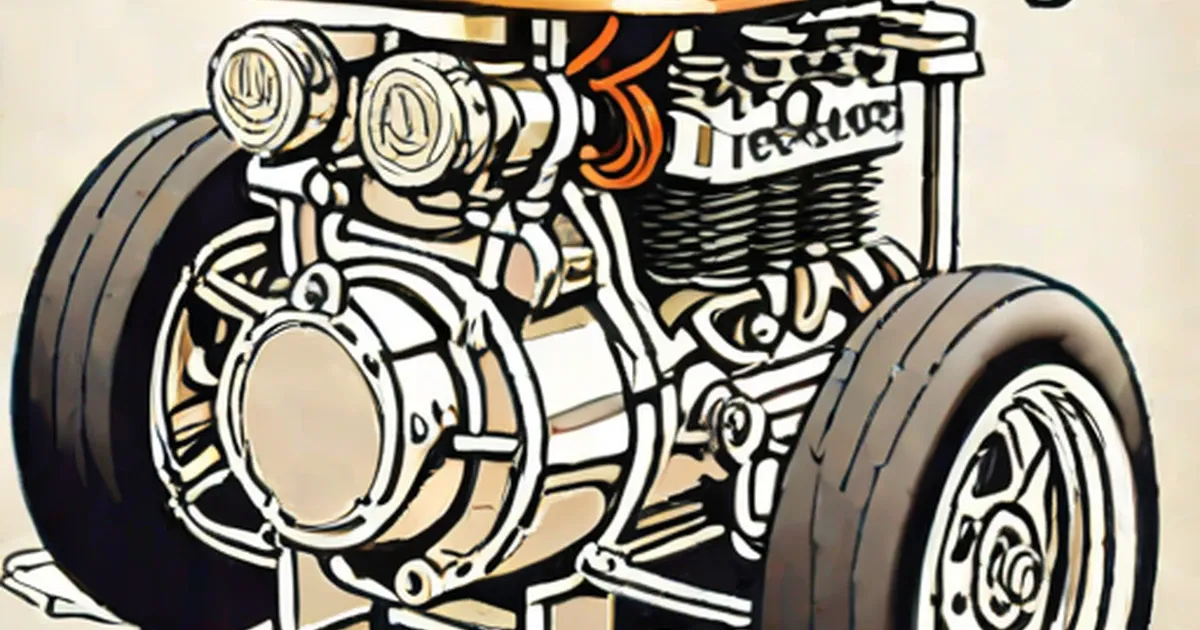
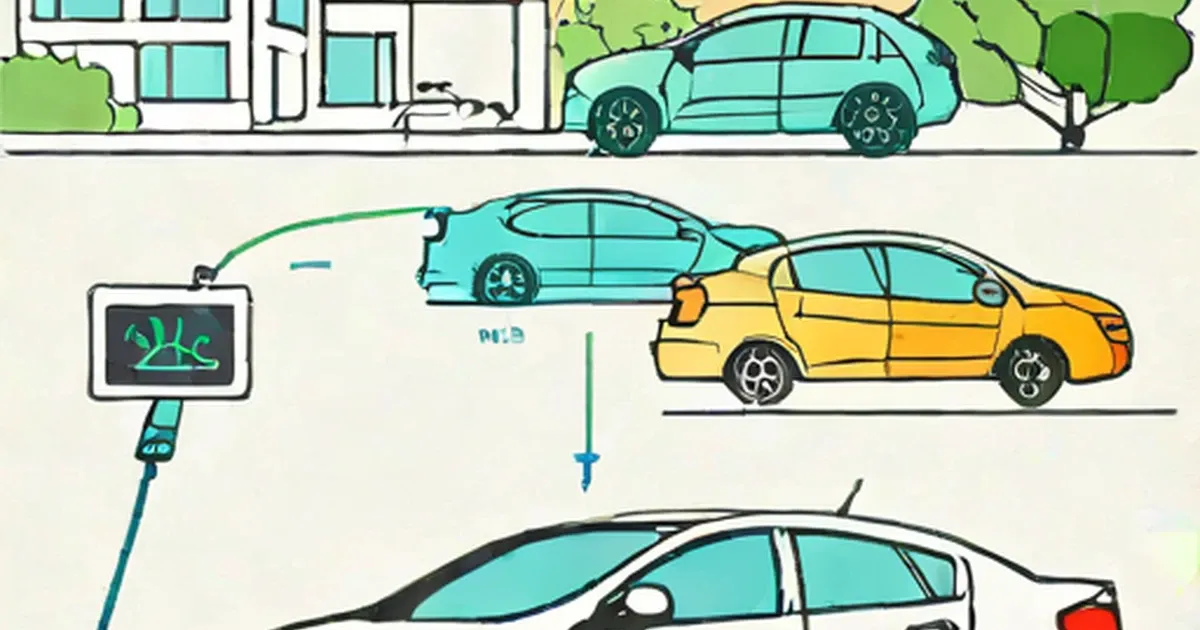
The working of an electric car engine is very simple. The main component or source of the engine is the battery. If you want high power for the car, you will need more battery power. The power from the battery is used to run the electric engine, which turns the wheels through a series of mechanisms called a transmission. The electric engine efficiency is very high. To charge the battery, all you have to do is plug it in a regular household electric connection and charge your batteries.
Electric Engine Specs
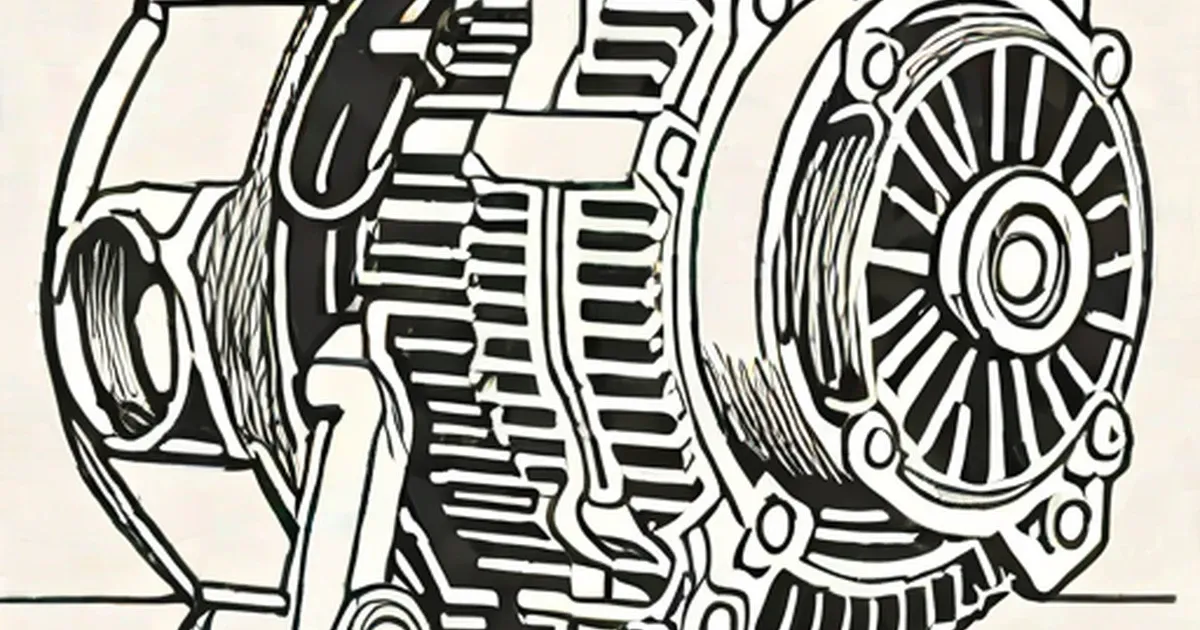
Basically, an electric engine specifications depend on its motor. The power of an electric motor is measured in kilowatts (kW). This can be illustrated with simple calculation, which specifies that 100 kW is just about equivalent to 134 horsepower. To exceed a 134 horsepower (100 kW), though many electric motors will deliver full torque over a wide RPM range, has a limited torque curve. The direct current (DC) electricity is fed into a AC/DC inverter. This is where it is converted to the alternating current (AC) electricity, and this AC electricity is connected to a 3-phase AC motor. This makes electric cars reliable because there are no fuel tanks, spark plugs, starters, or transmissions to worry about. Read more on how to increase a car engine's horsepower.
Electric Engine Conversion
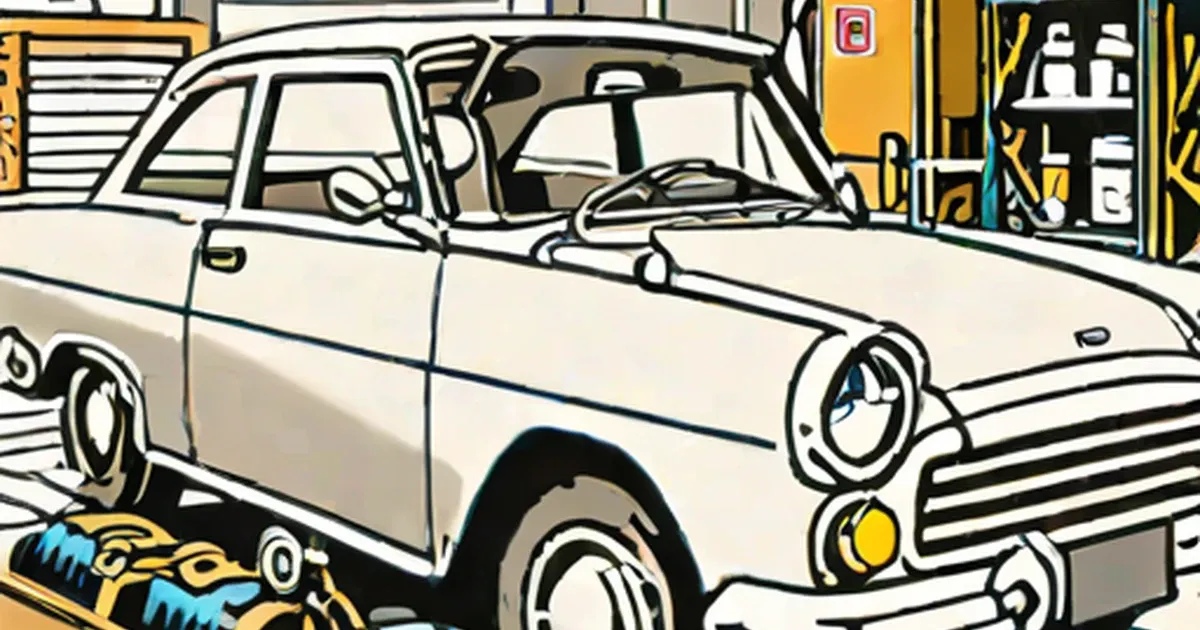
Most of the electric cars made today can be made at home. An electric engine can be built by converting existing gasoline-powered car. The conversion uses a DC controller and a DC motor. If you're working on an electric engine conversion at home, you must know or decide what voltage the car will run at. This can be anywhere between 92 volts and 192 volts. The purpose of voltage is to control the number of batteries, your electric engine will need. This is directly related to what kind of motor and controller will be needed. An old electric forklift can provide the motors and controllers needed for home conversions.
How to Build an Electric Engine?
Please be advised to work under the supervision of an expert automotive mechanic, who can guide you and help you do the conversion.
- Start with removing the engine, gas tank, exhaust system, clutch, and possibly the radiator from the choice of vehicle you're working on. With some controllers, there are transistors that are water-cooled and air-cooled.
- To mount the motor, first you need to attach an adapter plate to the transmission. A few customizations need to be done, because the motor normally requires custom mounting brakes.
- A reduction gear is needed for the electric motor. This improves the efficiency of the car. To get the best gear reduction, pin the existing manual transmission in 1st or 2nd gear. This helps in saving weight to create a custom reduction gear. Note: Normally, it's very expensive to do this step.
- Now, mount the controller.
- To hold the batteries safely, you will need to build brackets. The best place to keep the batteries is the boot space. Next, wire all the batteries.
- If your car has power steering, then wire it up and mount an electric motor for the power steering pump.
- Wire the air conditioning, before mounting the electric motor for the AC compressor.
- Install a small electric water heater for heat and put it perpendicular to the existing heater core, or use a small ceramic electric space heater.
- If your car has power brakes, you will need to install a vacuum pump. This will operate the brake booster.
- Next step will be to install a charging system.
- To power the accessory battery, install a DC-to-DC converter.
- Now, you will have to replace the gas gauge. To do this, carefully install a voltmeter that will detect the status of the charge in the battery pack.
- To install the potentiometers, hook them to the accelerator pedal, before connecting to the controller.
- Homemade electric cars using the DC motors, use the reverse gear built. A simple switch can send the reverse signal to the controller. You may need to install a reverse switch and wire to the controller, which depends entirely on the conversion.
- Install a large relay switch, that will connect and disconnect the battery pack to and from the controller. This mechanism will help you to start your car, when you want to drive it. Now, the trick is that you will need a relay that can support hundreds of amps. This will help break 96-300 volts DC and won't create any issues later.
- It's time to rewire the ignition switch. Turn on the relay switch, including all the new equipment you installed.
Like This Article?
Follow:

Post Comment | View Comments