Effects of Industrial Revolution
The Industrial Revolution changed the world in a manner that very few other developments in the world have. The mainly local and isolated feudal-medieval economy was made a thing of the past and the world became increasingly interconnected. Let us learn more about the effects of industrial revolution...
Starting Process
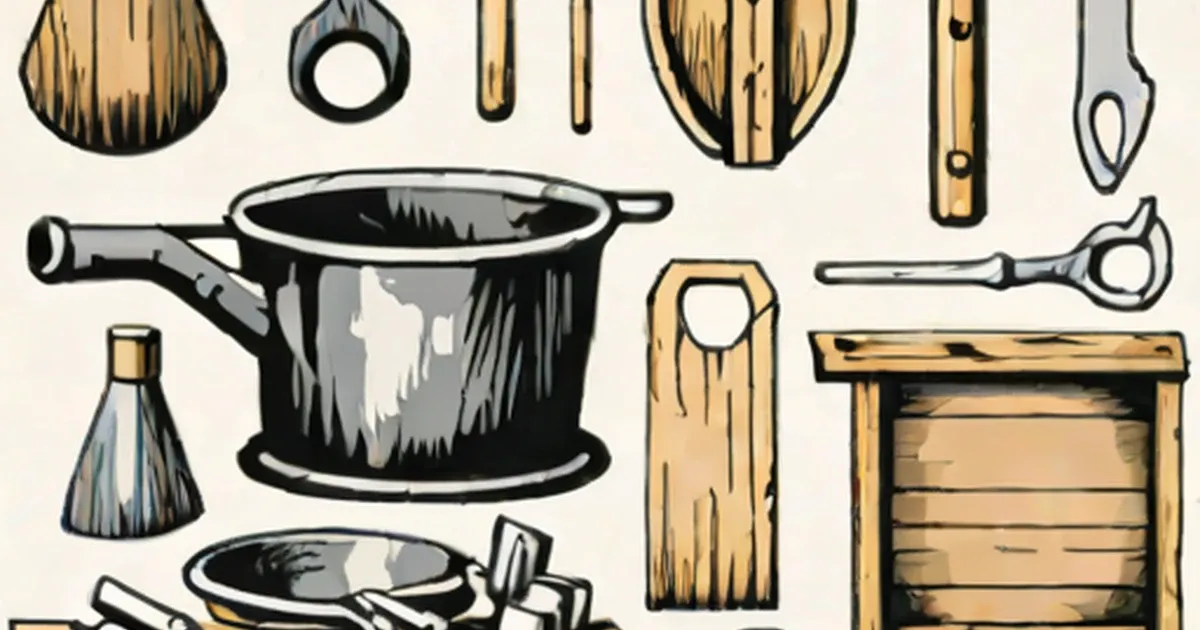
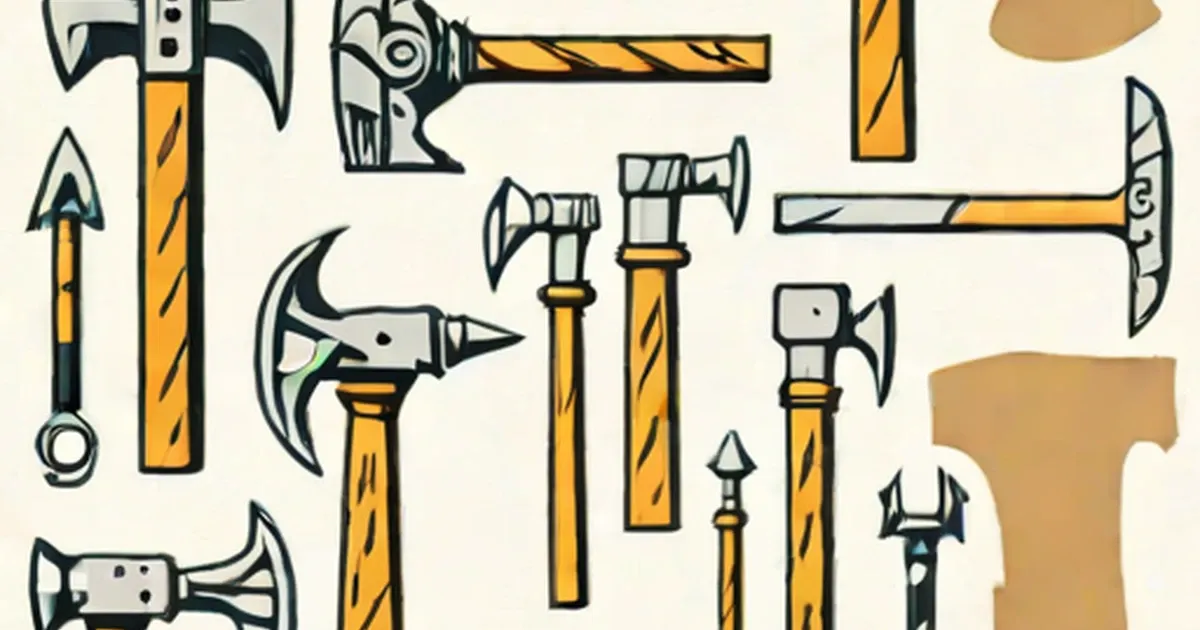
Surplus produce in agricultural sector is the basic requirement for sustaining an urban population not engaged in food production. In the eighteenth century, English farmers started using farm implements made from metal, instead of the wooden equipment used earlier. Some other improvements in agricultural knowledge led to elimination of the need to keep land fallow for restoring its fertility. This led to surplus agricultural production. Another change in this sphere was the enclosure movement, wherein small farmers were deprived of the common village lands by the rich farmers. As a result, the labor of these small farmers were available for other industries.
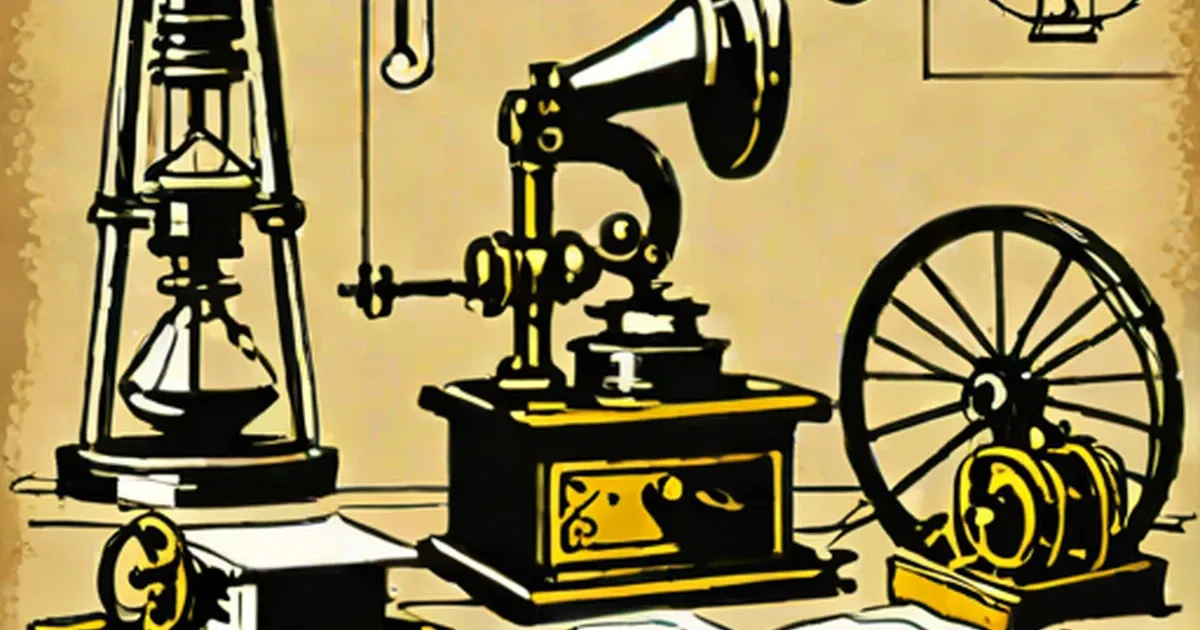
Mechanization of production was another important change. James Hargreaves invented the jenny, which allowed an operator to spin multiple threads at the same time. Next came Arkwright, with his water-powered factory. These inventions led to an exponential increase in the production of textiles. Water power, which had replaced manual and animal power, was later replaced by steam power. Changes were also introduced into the system of production. Earlier, production was scattered. People manufactured textiles in their house, using their own equipment. This was a second line occupation practiced by people in their spare time. The system was known as putting out system, where production was decentralized or given out. This was replaced by the factory system, in which the production was done at one place - the factory. Production equipment was provided by the owners of the factory, and the workers worked at pre-determined salaries. Above all, workers had no rights over the produce which was owned by the factory owner. This led to the development of capitalism - the owner provided the initial money, equipment and location for production. He owned the produce and sold it for a profit.
Surplus production would require an efficient transport system, right from procurement of raw materials to transportation of finished goods. This required the development of road, rail and shipping. The steam engine required coal, and fuel and iron would be required to make rails, railway compartments, ships, etc. As a result, mining of coal and iron also saw many alterations.
Effects of Industrial Revolution
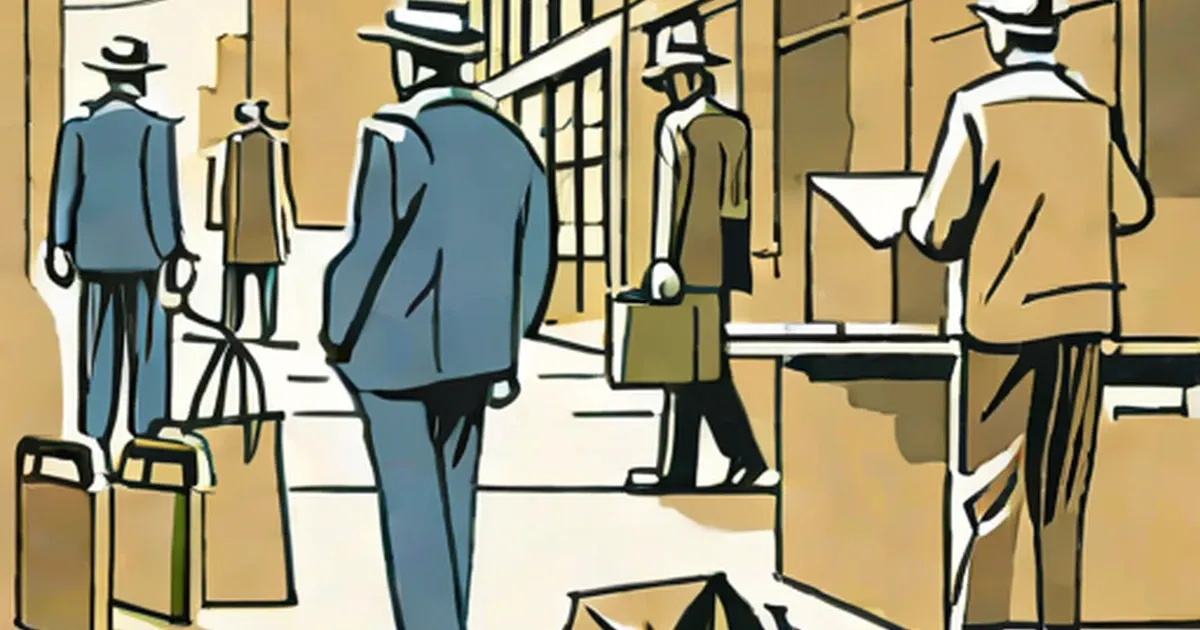
The working conditions in mines were horrible, to say the least. Furthermore, women and children were employed as they could be paid lower wages than adult male workers. Child laborers possessed another advantage - they could easily crawl through the narrow passages in mines. The situation in factories was not very different. The workers could not bargain for better conditions and payments, as there was an abundant supply of workers available in the form of displaced peasants and farmers. If one would protest, he would be fired - and there was always someone else ready to replace him. Also, the capitalists were becoming richer by the day. Using their wealth, they were influencing the policies and laws of the government. This influence was naturally harmful to the labor class. This led to the organization of labor unions, and subsequently to the development of the concept of socialism. The migration of such a huge population to cities resulted in the overcrowding of cities and development of slums. The pace of urbanization quickened to unprecedented levels. The migration also broke the social ties the worker (i.e. the former peasant or farmer) was used to in villages. This, along with the deplorable living conditions, caused many other problems like alcoholism, illicit relationships, loneliness, etc. This degraded the quality of life to such an extent that it was said: "the shortest route out of Manchester is a glass of whiskey".
The capitalists emerged from the hitherto middle class. The industrial revolution was an expression of their strength. Their power increased in leaps and bounds. They had the funds to influence the government. They acquired a stranglehold over politics which continues till date. Other customs like the importance of punctuality and taking appointments before meeting people, also started during this age.
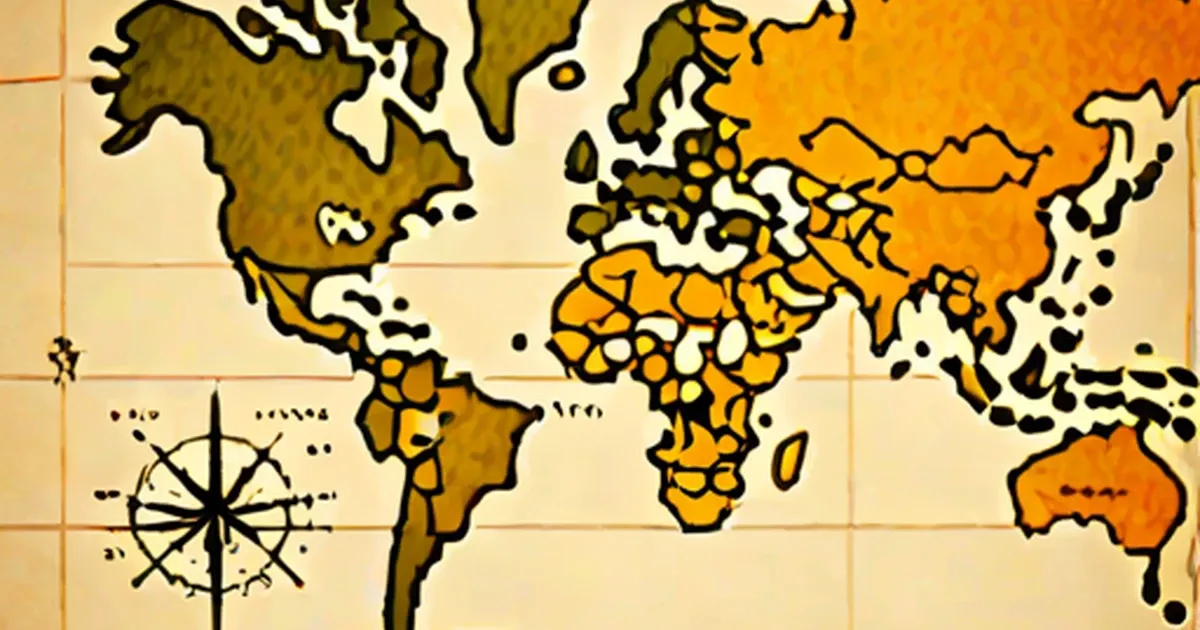
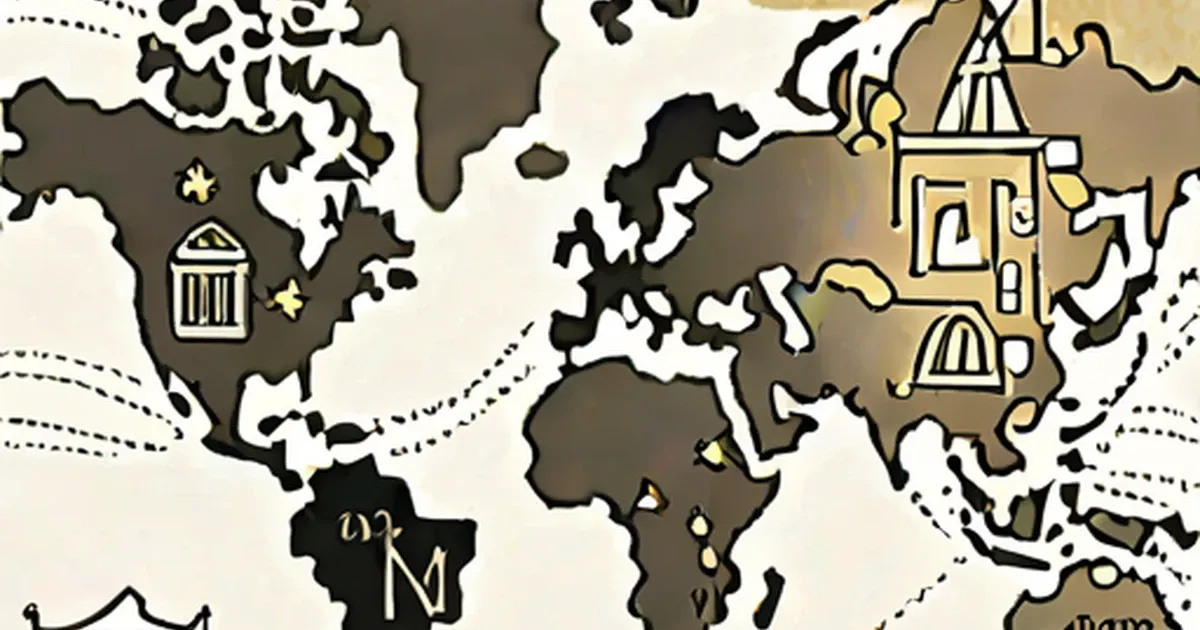
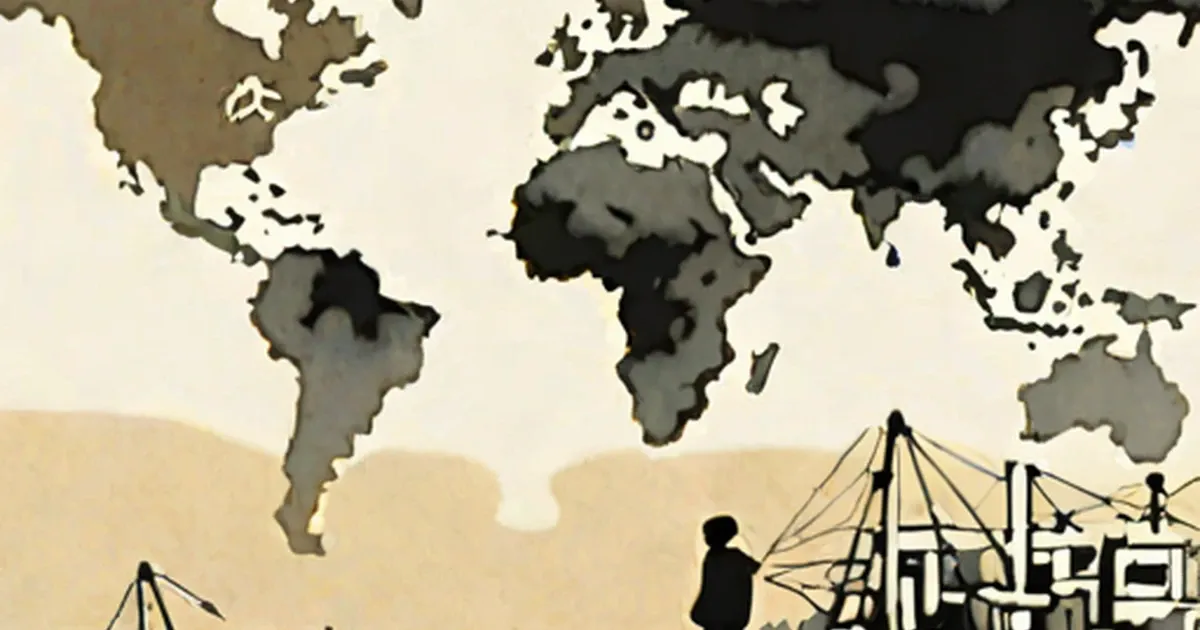
The greatest changes of the effects due to the industrial revolution were visible all over the world. A capitalist had two main requirements for making windfall profits. One was cheap supply of raw materials, and the other was a ready market. Both of these were available in colonies. This led to the colonization of many lands in Asia, Africa and South America. The economies of the colonies were comprehensively subordinated to the mother nation. This resulted in a scramble for colonies amongst the great powers of that age. Although England was the strongest power; France, Holland, Portugal, Denmark, and later, Germany and Italy also entered the race. This race led to imperialism, culminating in the two World Wars. English exports were creating problems for the industrial development of other powers. To control this, tariffs were imposed on British goods, leading to tariff barriers. As a result of colonization, events in one part of the world started influencing events in other parts of the world as well. This is the simplest description of globalization.
The origin of many modern phenomena and problems can be traced back to the industrial revolution. The industrial revolution was primarily the economic dimension of the change from the middle age to the modern age. This subject, hence, makes valuable study material for anyone attempting to study the modern times.

Use the feedback form below to submit your comments.

Use the form below to email this article to your friends.

- The Industrial Revolution Brought Titians and Renoirs to Scotland
- Why Are Glaciers Melting?
- How does the Cotton Gin Work
- The mythology behind Iron John
- Protecting America with Specialty Gases
- Only Half a Revolution
- Blake's Big Brother
- History Of Cotton Gin
- Simple Machines
- Top 10 Tips for Safely Handling and Using Gas Cylinders
- Romanticism: Characteristics of Romanticism
- History of Industrial Design
- Inventions of the Industrial Revolution