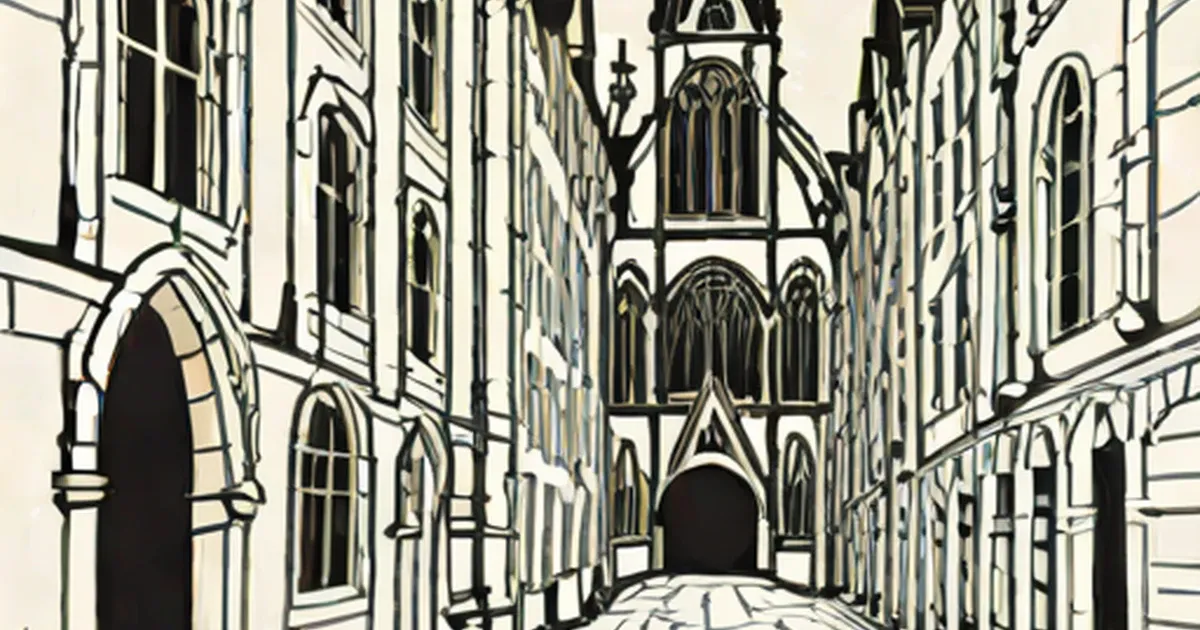
Different Architectural Styles

Various styles of architecture have evolved with time. From the traditional designs to the modern forms, one can see a phenomenal change in terms of design. Here’s a look at some of the different architectural styles, which are unique in their own way!
Architecture as a profession is growing in leaps and bounds today. From the olden days till date, the architectural styles have undergone a massive change. When one studies the different architectural styles, one can understand the kind of creativity that existed since the ancient days. Modern architects often look up to the olden styles of architecture, which continue to inspire professionals in terms of their design and functionality. Today, one can find modern architectural drawing software to make things easier for professional architects. These modern architectural renderings help to showcase the design even in a three-dimensional form. Here, we shall take a look at some of the different architectural styles from the olden days to the modern times.

Different Architectural Styles:
Architectural Style Description
Adirondack Architecture Adirondack architecture is recognizable due to the rugged finish. The basis of this style is used for log cabins, rustic kitchens, boathouses etc. This architectural style particularly refers to the sites in the Adirondack Mountains, New York.
American Colonial Architecture This style of architecture refers to the designs that were seen during the colonial period in the United States. (French Colonial, Spanish Colonial etc.)
American Empire Style It refers to a style that originated during Napoleon’s rule. This style also refers to the elaborate furniture created during this period.
Adam Style The Adam style of architecture refers to the designs created by architect Robert Adam. This style is a part of neoclassical architecture.
Anglo-Saxon Architecture This refers to the buildings constructed in Britain. This style is simple and was seen from the mid-5th century till the Norman Conquest.
American Foursquare Style This architectural style refers to structures of the late 1930s. It represents a basic square design, hipped roof with common rooms and generally, 4 rooms on each floor.
Amsterdam School Style This architectural style is about rounded facades and the use of decorative elements. This style was prominent in the early period of the 20th century and was seen in the Netherlands.
Ancient Egyptian Architecture Ancient Egyptian architecture is about the major use of mud bricks and stones for the architectural structures. The beautiful Egyptian temples and pyramids are some examples of this style of architecture. If Egypt interests you, then read more about ancient Egyptian culture, Egyptian mummies, and ancient Egyptian fashion.
Ancient Greek Architecture Ancient Greek architecture can be distinguished by the specific elements such as the rectangular buildings and the large columns. Read about Greek culture, ancient Greek language, ancient Greek music and all other things related with Greece.
Art Nouveau Style It was particularly popular at the turn of the 20th century. This architectural style is about encompassing artistic and floral motifs in the structure. Architecture belonging to this style is all about highly stylized designs. There are many historical buildings that belong to this type of architecture.
Art Deco Style This architectural style was visible during the years, 1925-1939. It refers to a decorative and elegant style of architecture that encompassed many other basic techniques of architecture.
Australian Architectural Styles This style is further divided into the residential and the non-residential style of architecture. The Australian architectural style is directly related to the climatic conditions of the place, hence the use of specific materials.
Baroque Architecture This style was dominant in the beginning of the 17th century. Baroque architectural styles always played around with a dramatic use of light, central projections, ornamental decoration, pear domes etc. The works of Michelangelo created for the late Roman buildings belong to Baroque architecture.
Bauhaus Style This term represented a school in Germany which taught a combination of art and craft. The Bauhaus style is recognizable because it focuses more on functionality rather than ornamentation.
Blobitecture This particular style was dominant in the mid-1990s. It is recognizable because of the use of unusual ‘blob-like’ shapes in the structure.
Brick Gothic Architectural Style It is marked by the use of baked red bricks. There is minimal use of figures and more emphasis on the appropriate division of space.
Bristol Byzantine Style This style was popular in Bristol. It is characterized by the simple outlines used for the architecture and colors such as red or yellow.
Beaux-Arts Style Beaux-Arts style was initially taught in Paris. This architectural style is about the use of symmetry and implementation of a precise style for the design elements.
Biedermeier Style The Biedermeier style architecture is about a simple and elegant style of architecture.
Byzantine Architecture This refers to the style that was seen during the Byzantine period. The use of the circular dome is one of the typical elements of Byzantine architecture.
Chilotan Architecture This architectural style is seen on the Chiloe Island and all the neighboring areas. All the earlier houses were built with wood, and roof shingles were also incorporated in the construction.
Chinese Architecture Chinese architecture is all about the balance and symmetry in the design. The designs have an emphasis of the use of a horizontal axis. The Chinese architectural styles have influenced architectural styles in Japan, Vietnam and Korea. Read more about Chinese culture and Chinese art.
Dutch Colonial Style There was a revival of this architectural style in the latter period of the 19th century. The style is distinguishable because of the gambrel roofs (symmetrical two-sided roofs that have two slopes on both sides) and the curved edges.
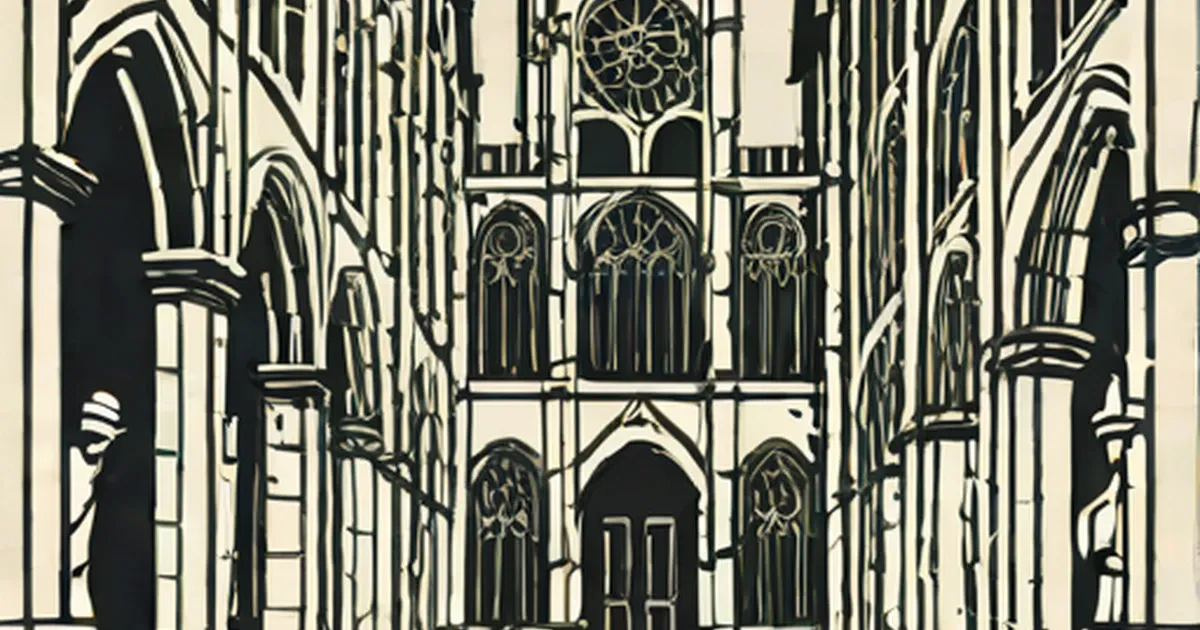
English Gothic Architecture This style was predominant in England. One can recognize English Gothic architecture from the pointed arches, the very large windows, and the conical structures on top of the buildings known as spires.
Egyptian Revival Architecture This style draws its inspirations from the architectural style used in Ancient Egypt. This revival was particularly noticeable in the United States.
Elizabethan Architecture This term refers to the architectural style that was followed during the reign of Queen Elizabeth I. Elizabethan architecture actually represents the early Renaissance architectural style in England. You might also enjoy reading about Elizabethan music and clothing in Elizabethan Era.
Expressionist Architecture This style was developed in Europe during the early decades of the 20th century. This style is more inclined towards the Gothic architectural style.
Futurist Architecture Futurist architecture was seen during the early period of the 20th century. This style laid emphasis on the implementation of long horizontal lines in the design.
Georgian Architecture It refers to the style that was prevalent from 1720-1840. It featured buildings that had chimneys on both sides of the house with a portico in the middle of the roof along with a central window.
Googie Architecture This style belongs to the category of futuristic architecture. The features include the use of geometrical shapes and materials such as glass and steel. Here, the emphasis is on futuristic designs and the development of themes such as Space Age.
Greek Revival Architecture This particular movement was during the latter period of the 18th century and all through the 19th century. The Greek revival movement was particularly seen in Northern Europe and the United States.
Gothic Architecture This architectural style was prominent during the high and the late medieval period and began at the Abbey of Saint-Denis. There are certain characteristics that are particularly symbolic of Gothic architecture such as the pointed arches, large individual windows, flamboyant designs and the emphasis on the creation of vertical lines in the design. Read all about Gothic culture, Gothic artwork and Gothic literature.
Gothic Revival Architecture The term refers to a movement that began in England during the 1740s. There were many people who wanted to revive the style and this move was particularly noticed in the United Kingdom along with Australia and America.
International Style Architecture This architectural style was prevalent from the 1920s to the 1930s. This style focused on balance and symmetry in the architecture, instead of decorative elements.
Indian Architecture Indian architectural designs are based on the deep culture of India and have religious significance. One can note the early beginnings from the Indus Valley civilization. The Indian temples styles are unique in their own way with every region having its own specialty. From the Buddhist stupa to the Colonial Era, there were many other influences from outside as well. Ancient Indian architecture has some of the most magnificent forms and carvings of various Indian Gods and Goddesses seen particularly in the temples. Read more about India.
Inca Architecture The lost city of Machu Picchu is a fantastic example of the beauty of the Inca architecture. This style was prominent in South America. This architectural style is known for the use of precisely shaped stones which were fitted into each other without mortar.
Islamic Architecture Islamic architecture has evolved over the years. This style includes all the mosques, tombs and the beautiful palaces and forts. There is a great amount of religious significance for this style. The typical domes, geometrical shapes, the use of decorative Islamic calligraphy style, the towers etc, are some of the features of Islamic architecture. Read about Islamic art.
Jeffersonian Architecture This style is developed by Thomas Jefferson. It was particularly popular during the early American period. The typical features of his designs are the use of octagonal forms, red bricks, use of Chinese railings and the elevation of the main floor which is always above ground level.
Japanese Architecture Japanese architecture has been heavily influenced by the Chinese architecture. Some of the earliest examples were built from stone. Temples also formed a part of Japanese architecture. You can read all about Japanese culture and Japanese gardens.
Manueline Architecture This style is based on the Portuguese style architecture. This architectural style is decorative with the use of elements that are seen on ships or even elements from the sea. One can also see botanical motifs and symbols of Christianity used as part of Manueline architecture.
Merovingian Architecture This refers to the architecture style that belonged to the Merovingian Dynasty. It was particularly seen during the 5th century to the 8th century. This style uses a blend of the Roman Classical style and the Germanic-Frankish traditions. The structures are abstract and there is a use of geometrical shapes.
Maya Architecture Mayan pyramids are the most recognizable structures of this style. Read about Mayan pyramids, Mayan culture and Mayan clothing.
Modern Architecture The term refers to specific structures which are basically simple in design with a minimal use of ornamentation. This style was particularly dominant in the 1920s.
Neo-Byzantine Architecture This term refers to a revival style that was particularly seen in Western Europe during the 1840s.
Neoclassical Architecture The Neoclassical style was dominant in Europe particularly during the 1750s to the 1850s. The basis of this style is on the lines of the Classical Greek architecture.
Neolithic Architecture The term refers to the architecture seen during the Neolithic period. This period is the last phase of the Stone Age.
Ottonian Architecture This term represents the architectural style seen during the reign of Emperor Otto the Great. It forms its base from Byzantine architecture and the Carolingian architecture.
Palladian Architecture This style is based on the designs of Andrea Palladio, an Italian architect. This particular style of architecture was popular during the mid-17th century. A typical feature of this style is the large Venetian windows.
Pombaline Style This architectural style was named in memory of Marquis of Pombal. It focuses on simplicity with a touch of elegance and the eradication of all the decorative elements.
Postmodern Architecture The Postmodern style could be seen in the 1950s and it continues to influence architects even today. There is a use of unusual surfaces and the basics often contradict with the modernist ideas.
Prairie Style This type of architecture was seen during the 19th century to the early period of the 20th century. This architecture can be identified due to the typical flat roofs and a certain discipline in the ornamentation of the structures.
Queen Anne Style Architecture It was particularly popular in the latter period of the 19th century. It uses features of the English architecture and was popularized by Richard Norman Shaw.
Repoblacion Architecture This style refers to all the architectural works in the Northern area of Spain that were completed from the late 9th century to the beginning of the 11th century. Some typical characteristics of this style were the use of grouped columns and horseshoe arches.
Regency Architecture It refers to the buildings that were built during the early 19th century in Britain. There is an elegant touch to this style of architecture, on similar lines to the Neo-classical Georgian style.
Richardson Romanesque Architecture This American architectural style refers to the designs created by Henry Hobson Richardson. The characteristics are the Romanesque arches, short columns and the cylindrical towers.
Rococo Architecture This style was particularly seen in France. It can be distinguished from other styles with the carvings and decorations that are based on nature themes. There was a use of asymmetry in the design.
Roman Architecture The Roman architecture had a lot of influence from the Greek architecture. The use of the arches and domes are some of the characteristics of this style. The Roman temples, amphitheaters, baths, basilicas etc stand testimony to the greatness of this style. Read all about Roman coliseum facts, and many other articles about Rome.
Renaissance Architecture This term refers to the architectural monuments built from the 15th century to the early 17th century. The common features of this style are the use of balance in the design, geometrical shapes, the beautiful columns and domes etc. You might also love to read about Renaissance art, Renaissance paintings, Renaissance clothing, and Renaissance in Italy.
Romanesque Architecture It represents architecture of the Middle Ages in Europe. The Romanesque architecture is known by the rounded arches, the very large towers, decorative arcades, walls of massive thickness and the overall symmetry in design.
Russian Architecture Russian architecture has always been predominantly religious. Some of the basic elements of Russian architecture are the sharp sloping roofs, domes that cover the structure, the tent shaped spires etc. Read articles about Russia.
Second Empire Architecture It means a kind of architectural style particularly popular from 1865 to 1880. This was all about rectangular towers, mansard roofs with either symmetrical or asymmetrical balance in the design.
Spanish Colonial Style This style was predominant in the Spanish colonies of America and the Philippines. One of the noticeable elements is the combination of a simple style with an influence of the Baroque architecture.
Spanish Architecture This style draws its inspiration from various other types of architecture. Spanish architecture denotes those structures that are built in Spain. Some of the major developments of this style happened with the arrival of the Romans.
Stalinist Architecture This style is used to denote an architectural style of the Soviet Union (1933-1955). In the initial years, one could witness only stand-alone structures but these rules were altered later on.
Structural Expressionism Style Also known as a ‘high-tech’ modernism style, this style was in focus in the 1960s. One of earliest architects who practiced this style was Norman Foster, who was known for his skeleton-style designs. Read about the world’s tallest buildings.
Soft Portuguese Style The Soft Portuguese architectural style incorporated many elements of modern engineering. This style could be seen in all the public as well as private buildings in Portugal. It is about a combination of many elements such as modern engineering, with aesthetically pleasing elements from the ancient Portuguese architecture.
Streamline Moderne This particular style of architecture was the first to include electrical light. The features of this style were the use of horizontal lines and the addition of curving forms in the design.
Sumerian Architecture The Sumerians used clay, mud-brick or fired brick for their early constructions. Therefore, many of their structures resembled pyramids. The architects used innovative methods to make the walls of these structures look interesting. This style of architecture served as the base for many other architectures such as Persian, Babylonian, Islamic, and to some extent, Western architecture.
Tudor Style Architecture This style refers to the structures seen during the Tudor period from the years 1485-1603. The features of this style were the Tudor arches, oriel windows (Seen in the Gothic Revival style) etc.
Tudorbethan Architecture Also known as the Tudor Revival style, the influence of this style was particularly seen in the British colonies. The revival of this design was seen particularly in the mid 19th century.
Ukrainian Baroque Architecture This term refers to an architectural style that found its base in Ukraine. The features of this particular style are about simplistic forms and minimal ornamentation.
Victorian Architecture Victorian architecture refers to many types of architectural styles that belong to this category. This includes the following - Gothic Revival, Jacobethen, Queen Anne, Renaissance Revival, Romanesque etc. Victorian architecture refers to the styles that were seen in the Victorian Era. If you love the Victorian Era, you might also love reading about Victorian fashion and Victorian tea party ideas.

One can thus see the various interesting architectural structures that have been designed and constructed since the olden days. Amongst the various structures, pyramids (Aztec pyramids, Mayan pyramids, Egyptian pyramids etc.) and castles (medieval castles, Irish castles, castles of Holland, Scottish castles etc), are amongst the most admired and studied amongst all architectural forms. These beautiful structures are a source of inspiration for budding architects till date!

By Kashmira Lad
Published: 10/13/2008
 
Use the feedback form below to submit your comments.
Your Comments:
Your Name:
Use the form below to email this article to your friends.
Recipient Email Address:
 Separate multiple email addresses by ;
Your Name:
Your Email Address: