CPAP Vs. BiPAP - Difference between CPAP and BiPAP
CPAP and BiPAP are the ventilation devices used for the treatment of sleep apnea and a host of other respiratory and cardiac problems. Read on to know more about the difference between CPAP and BiPAP.
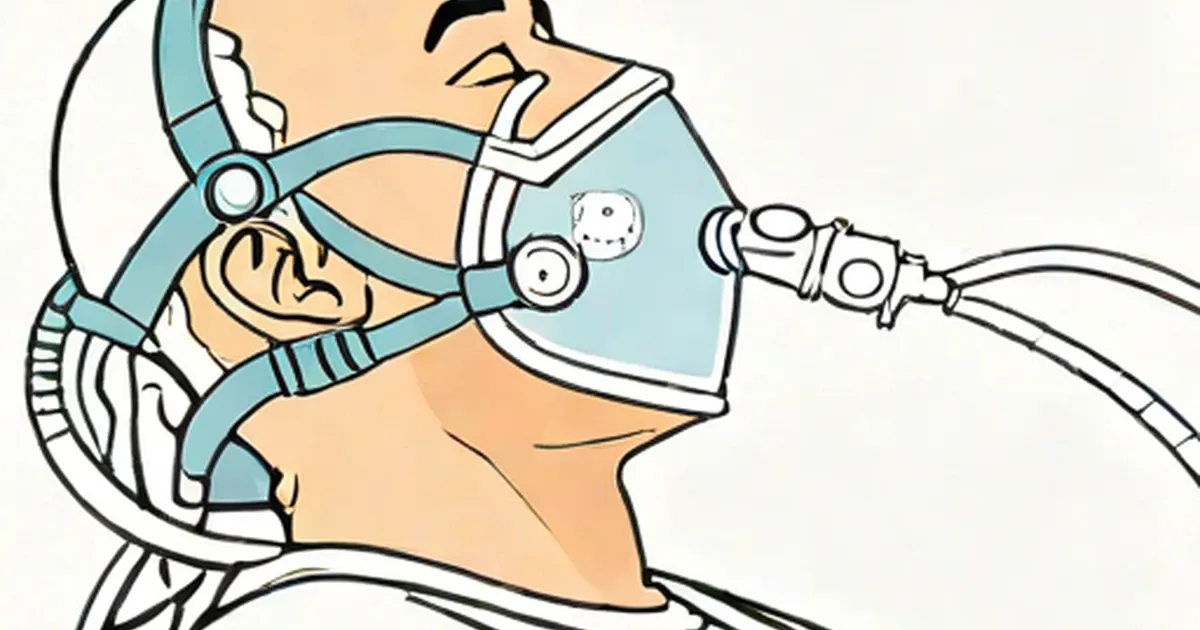
A mechanical ventilation, CPAP or Continuous Positive Airway Pressure is used to treat sleep apnea, a disorder characterized by breaks in breathing during sleep. It was developed by an Australian Professor, Colin Sullivan in 1981. On the other hand, BiPAP or Bi-level Positive Airway Pressure machine, developed in the 1990s, is an apparatus which helps people inhale more air into the lungs. These machines have three components. The flow generator delivers the airflow, the hose links the interface to the generator and the interface which is usually the nasal or the full face mask.
Difference between CPAP and BiPAP
The CPAP machine delivers a predetermined level of pressure. It releases a stream of compressed air through a hose to the nose mask and keeps the upper airway open under continuous air pressure. This air pressure prevents obstructive sleep apnea, which occurs as a result of narrowing of the airway due to the relaxation of upper respiratory tract muscles during sleep. This machine helps to increase the oxygen flow by keeping the airway open. CPAP, though initially used to treat sleep apnea, is also used for patients with neuromuscular diseases and respiratory problems.
Auto-CPAP or Automatic Positive Airway Pressure machine automatically adjusts the air pressure according to the patient’s requirement at a particular time.
BiPAP, a non invasive ventilation machine delivers two levels of pressure. Inspiratory Positive Airway Pressure (IPAP) is a high amount of pressure, applied when the patient inhales and a low Expiratory Positive Airway Pressure (EPAP) during exhalation. BiPAP is used to treat central sleep apnea and severe obstructive sleep apnea. It is also prescribed for patients who have respiratory and heart diseases.
Titrated pressure, which is measured in centimeters of water, is the air pressure, which is most effective in preventing sleep apnea. Though 6 to 14 cm H
2
O air pressure is sufficient for treating apneas, a CPAP ventilation machine delivers air pressure in the range of 4 to 20 cm H
2
O. A BiPAP machine, on the other hand, delivers air pressure between 20 to 30 cm H
2
O.
Positive airway pressure (PAP) machine is prescribed only after a Polysomnogram (PSG) test, commonly known as sleep study. This test transmits and records the changes in the biophysical activities of a person during sleep. A PSG determines the person’s optimum airway pressure, brain and eye movements, heart rhythm, as well as the pulmonary ventilation rate, during sleep.
Pros and Cons of CPAP
The CPAP treatment is very safe and effective for treating sleep apneas. The pressure settings of these machines can be adjusted according to the patient’s requirement. The size of the nasal or the face mask can also be adjusted. CPAP treatment can be used on a trial basis. It can be discontinued if the patient shows a low level of tolerance. CPAP can also be used in conjunction with other treatments. These machines are compact and portable.
Patients who use CPAP machines may experience headaches, skin irritation and stomach bloating. Nasal congestion and runny nose is also observed among patients using these machines. Patients suffering from claustrophobia and anxiety disorders should be administered special medication, because their tolerance to CPAP treatment is very low. Most of the side effects can be reduced by using a humidifier, nasal spray and antihistamine.
Pros and Cons of BiPAP
BiPAP treatment is generally prescribed for patients who cannot tolerate CPAP or who suffer from other respiratory disorders in addition to sleep apnea. Since expiration requires less pressure than inspiration, a BiPAP machine is designed in a way that during expiration, it reduces the pressure to a predetermined level. This machine is very effective for patients with neuromascular and cardiopulmonary disorders.
The side effects of BiPAP treatment are the same as that of CPAP. Common side effects include headaches, rhinitis or a runny nose, dizziness and stomach problems like indigestion. The side effects of BiPAP treatment though common, are not very serious. The pressure settings of the BiPAP machines require constant supervision.
Both CPAP and BiPAP machines are effective for treating sleep apnea, respiratory and cardiopulmonary diseases. However, when it comes to CPAP vs. BiPAP, most patients with sleep apnea prefer the BiPAP machine, because it delivers different pressure levels for inspiration and expiration.