Chess Pieces: Names of Chess Pieces
When learning to play chess, one of the most important things that one needs to know is the names of chess pieces. So here is an article on the chess pieces names.
Chess is one of the oldest pastimes in the world. Chess has existed in the world for almost as long as there have been wars. It has been played almost everywhere in the world with only slightly varying rules and different chess pieces names.
The Game of Chess Like I said, chess
has been played in different forms for many years. It was a prime pastime of kings. The predecessor to chess was invented by the Persians over a thousand years ago and the knowledge and popularity of the game spread far and wide, like the Persian kingdom. While there may have been several games resembling chess, Shatranj (of Indian origin) was startlingly similar to chess as we know it today. It is said that the chess we play today was invented in the 15th Century in Southern Europe. Read more on history of chess.
A game of chess is a simulated war. Chess is played by two players. Each player is given a set of 18 pieces and each of the pieces has a defined move. The players use a combination of moves to eliminate the opponent’s pieces while trying to save their own pieces at the same time. For a game of chess to end, one of the players has to kill the king of the other player. The player whose king survives wins. To play the game of chess, it is necessary to know the chess pieces names and their defined directions of movement. Read more on learn how to play chess.
Chess Pieces Names
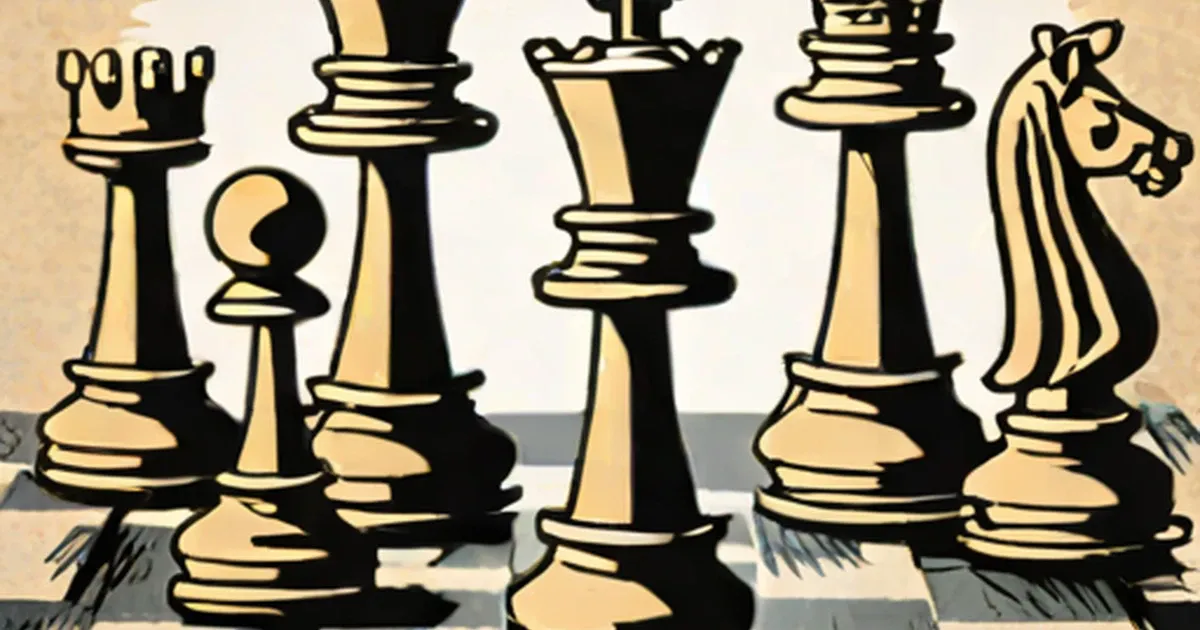
Both players have 18 pieces each, but altogether, there are only 6 different types of pieces. Each piece has a different move and the combination of their moves decides the outcome of the game. So here are the names of all chess pieces along with their moves.
- Pawns: The most common piece in the set of chess pieces is the pawn. There are 9 pawns in each set which makes it very easy to identify them. They are the shortest pieces in the set. The pawns may move 1 or 2 spaces forward in their first move and one space forward in their next moves. A pawn can move to the space diagonally forward on the left or the right but only to kill a piece of the opponent.
- Rooks: There are two rooks to a set of chess pieces. The rook is the piece which looks like a castle and in some parts of the world is also known as a castle. It can move any number of horizontal or vertical steps till it reaches the end of the board or kills a piece of the opponent.
- Knights: There are two knights in every team in chess. A knight is a piece which looks like a horse. The knight moves 2 and a half steps in any direction. This means that it may move 2 spaces in any directions and 1 step sideways each time.
- Bishops: The bishops are also known as the camels. There are two bishops in each team of chess. The bishops look like minarets and have a pointed top. A bishop can move any number of steps diagonally in any direction till the end of the board or till it kills a piece of the opponent.
- Queen:The Queen is the second most tallest piece in the set. Unlike the king, it does not have a cross on the top. The queen can move any number of spaces in any direction till it reaches the end of the board or till it kills a piece of the opponent’s army. This makes the queen one of the most lethal pieces in the set.
- King: The tallest piece in the set is called the king. It has a cross on top. It is the most crucial piece in the set of chess pieces as the game is over once the king dies. The king can move only one step in any direction at a time.
Read on to know the Rules for Setting Up a Chess Board and Chess Strategy and Tactics.
So this was all about the chess pieces names and moves. You could also take chess lessons that will hone your skills. So now you know all the names of chess pieces and how each piece moves, enjoy this classic game of war!