Causes of World War 2

World War 2, the second longest war in the history, was fought between the Allies and the Allied nations during 1939-1945. Let us take a brief look into the causes of 6-year long war, that led to destruction and bloodshed of millions...
Causes of World War 2
"We must remind future generations what happened in 1936-1942, so that we will not make a wrong step again, so that our sons will have a chance to live." - Wing Commander Guy Gibson

World War 2 involved almost all the nations of the world in its span of more than 6 years. It was estimated that about 50-70 million people were killed in the war. World war 1 was one of the main causes of the world war 2. The world war 1 was fought during 1914-1918, which divided the world into two parts - Allied and Allies. Allies nations were Great Britain, France and Russia who won the world war 1. The defeated nations were the allied that included Germany, Japan and Italy. Let's have a look at the reasons that insighted the world war 2.

Causes of World War 2

Expansionism and Colonialism
'Colonialism' was the most convinced reason of progress for a powerful country. The powerful country urged to conquer more lands and authority that supported prosperous marketing domination. In contrast, a weaker country considered colonialism was the policy of exploitation of its culture, society and economy. Allies was a group of dominating nations that include Great Britain, France and Russia. They were the powerful nations conquered more territorial colonies. At the same time, Allied countries, like Germany and Italy lost their colonies in the world war 1 and perhaps failed to gain power in Europe.

Effects of World War First and the Treaty of Versailles
The Treaty of Versailles was an outcome for the allies that proved Germany was responsible for World War First. They were fined £6,600 for damage caused to the three European countries - England, Italy and France. Germany was forced to reduce their army and six naval ships from its military force. Moreover, Germans had to accept democratic government in their country. All these reasons and Germany's defeat in the war increased the intensity of revolt.

Rise of Nazi Party and Adolf Hitler
Germany was defeated in World War I that nourished Adolf Hitler and his dictatorship in Germany. Adolf Hitler coined the term 'Nazism' in Germany.

Ideologies of Nazism were
  • They believed in racism - that the natives of Germany were white and superior to other races.
  • They wanted to dominate the whole world.
  • There was no place for concepts like multilingualism and multiculturalism, Marxism, Communism and Bolshevism
  • They tried to promote their culture, increased military power and planned for expansion in nearby countries.
  • They believed in their leader Adolf Hitler.
Rise of Fascism and Benito Mussolini
In 1919, Benito Mussolini coined Fascism in Italy. The term 'Fascism' means an union or league. Fascism is contradictory to democracy, they believed in following ideologies:

Ideologies of Fascism
  • A political ideology, believed in positive force of a war.
  • Fascism was influenced by fanaticism, violence, racism and totalitarianism.
  • They aimed for regeneration of ethnic, social, cultural and economic peace of their country.
  • They denied individual freedom, rights and democracy.
  • Both Fascism and Nazism had same intention to gain power and fought against Allied nations.
Isolation of the United States
The idea of an international organization, the League of Nations, was framed by Woodrow Wilson of the United States. The New Republican government vetoed that idea and the United States remained aloof from the world and their activities before World War 2.

Failure of the League of Nations
League of Nations was established in 1919 after World War First to maintain peace among the members of the League. The League of Nations proved a failure because of many reasons. They could not resolve the worldwide economic crisis, the Great Depression in the late 1930's. They were unable to control wars after world war first. Japan is one of the members of League of Nations, declared war against Manchuria in 1931. When League of Nations aimed to solve war issues of Japan. Japan quit from its membership of the League of Nations. Thus, there was lack of unity among its members and no pre-planned resolutions for the world war 2.

Some Contemporary Events During the World War 2

German Invasion of Poland
World War Two or the Second World War began in September 1939, in Europe, when Germans invaded Poland. Poland was ruled by France and Britain according to an earlier agreement. Therefore, Britain and France declared war against Germany along with other colonized countries. These colonized countries included Austria, New Zealand, Canada and India who participated in world war 2.

Italian Invasion of Albania
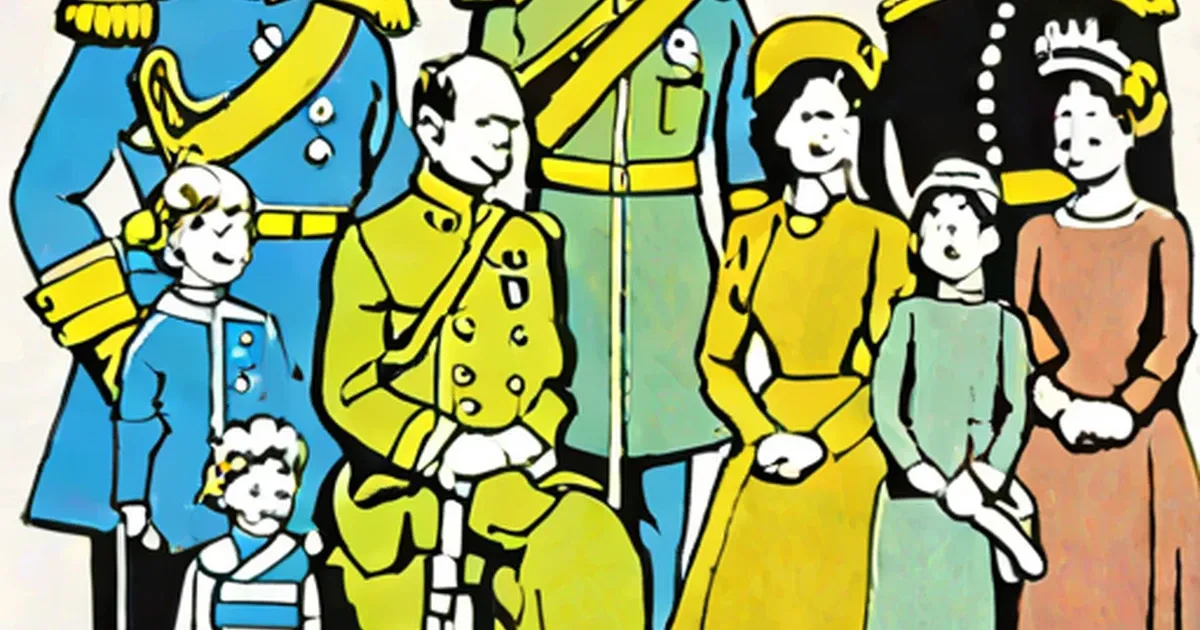
Although Italy helped Albania during the worldwide depression in the 1930s, Albania denied the demands of Italy. Italy paid the amount of interest on the loan taken from the Society for the Economic Development of Albania. Italy's demands were - teaching of Italian language in Albanian schools, grant of Albania's sugar, taking Tiran instead of Genarmeria and inviting Italy for membership of Albanian custom union. Instead of granting their demands, Albania's President Zong denied the domination of Italy. The Albanian president Zong terminated Italian advisers from military, and cut down the budget of Albania by 30%. As a result, Mussolini invaded Albania in 1939 and forced the president and his family into exile. Thus, Albania became a territory of Italy's King Victor Emmanuel III.

Japanese Invasion of Manchuria
Japan almost lost all its territories in World War I. Japan attacked Manchuria in 1931, which was a part of China. Manchuria was a rich source of minerals that could be helpful to regain Japan's power in Asia. The League of Nations restricted Japan to colonize Manchuria. In contrast, Japan not only refused to accept their decision as a member of League of Nations but quit from its membership and continued the battle.

Later on, Japan called a war against United States at Pearl Harbor in 1941. This was known as the largest Asian war ever fought in the twentieth century. It resulted in United States declaring war against Japan and other nations like Germany and Italy, who had signed the Tripartite Treaty. United States participated in the World War 2 and dropped an atomic bomb on Hiroshima and Nagasaki on 6th and 9th August, 1945, respectively that proved Japan's surrender, followed by Italy and Germany. Thus the power of United States helped to end the terrible World War Two completely.

The above given reasons were the main causes of world war 2. Some other reasons included anti-communism, dictatorship, isolationism, militarism, European civil war, Spanish civil war, the Great Depression, the Munich Agreement, colonialism and globalization.

By Vaishali Satwase
Published: 6/10/2009
 
Use the feedback form below to submit your comments.
Your Comments:
Your Name:
Use the form below to email this article to your friends.
Recipient Email Address:
 Separate multiple email addresses by ;
Your Name:
Your Email Address: